


Introduction
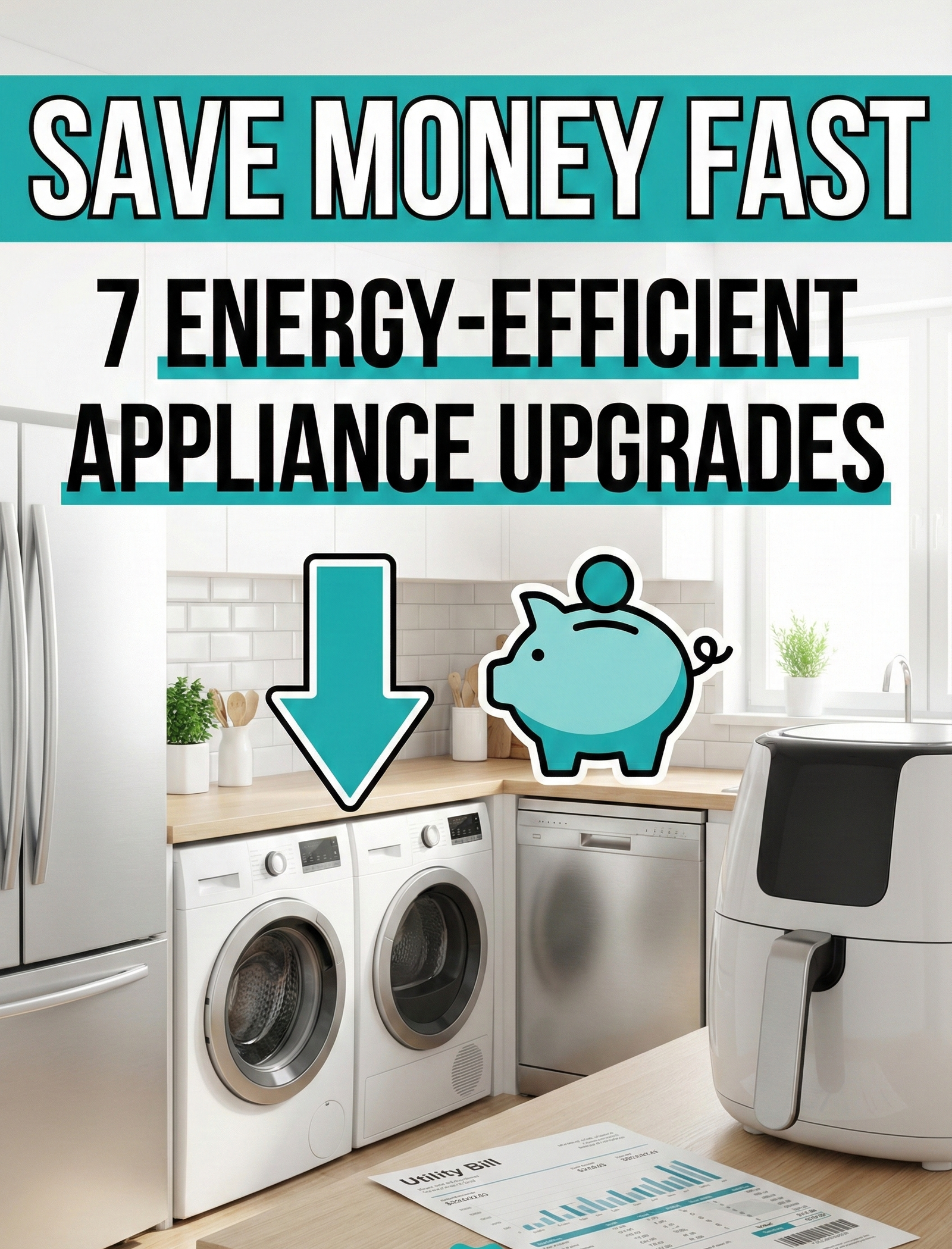
Home appliances have a direct impact on your monthly expenses and your carbon footprint. With electricity bills rising and new technology promising more savings, choosing the right appliances is now essential—not just for comfort, but for real, lasting financial benefits. This guide gives you straightforward steps, unbiased facts, and actionable advice on how to buy, use, and actually benefit from energy-efficient and smart home appliances.
Key Takeaways
- Switching to energy-efficient home appliances in 2024 can save the average U.S. household at least $576 annually on utility bills.
- Appliance choice, tech features, and federal standards shape both long-term running costs and usability.
- Smart features (AI, IoT, app connectivity) improve efficiency—when they work well—but can bring new headaches if poorly implemented.
- Introduction
- What Makes Home Appliances Energy Efficient (and Why It Matters)
- How to Choose and Use Energy-Efficient Home Appliances: A Step-by-Step Guide
- Advanced Analysis & Common Pitfalls
- Conclusion
- FAQ
What Makes Home Appliances Energy Efficient (and Why It Matters)
Energy efficiency in home appliances is about using less power for the same—or even better—performance. This is achieved through better insulation, smarter sensors, optimized motors, and advanced controls, all of which lead to lower utility bills and less environmental impact. Modern efficiency standards cover about 90 percent of the energy used in U.S. homes, affecting everything from refrigerators and ovens to dishwashers and microwaves. In 2024 alone, appliance standards saved American consumers $105 billion, with an average household keeping $576 more in their pockets than if they’d stuck with old, inefficient appliances (source).

The big players in your energy bill are your kitchen appliances—especially your refrigerator, which can account for up to 10% of your entire electricity use due to running 24/7 (source). Newer models use advanced compressors and better insulation to cut this burden significantly.
Why does this matter for you? Cost savings stack up year after year. Upgrading to smart, efficient appliances adds value to your daily comfort and also future-proofs your home for changing energy regulations. For more on how small upgrades deliver big impact, see our kitchen essentials 2026 upgrade guide.
How to Choose and Use Energy-Efficient Home Appliances: A Step-by-Step Guide
- Assess Your Current Appliances: List all major appliances. Note the age, condition, and if they’re ENERGY STAR certified. Old refrigerators or top-loading washers are top candidates for replacement.
- Understand the Energy Guide Labels: For each appliance, read the yellow and black EnergyGuide sticker. Compare annual energy use in kWh and the estimated yearly operating cost.
- Prioritize High-Impact Swaps: Focus on refrigerators, dishwashers, and laundry machines. Smart fridges and new compact dishwashers use much less energy and water (source).
- Research Features that Deliver Real Savings: Look for appliances with features such as variable-speed compressors (in fridges), sensor-based cycles (dishwashers, washers), and app-enabled tracking for maintenance reminders.
- Apply for Government Rebates or Incentives: Check your local utility or government website for rebates on qualifying appliances. The U.S. federal government indirectly supports this with efficiency standards, while Japan offered actual rebates in 2024 (source).
- Install and Set Up for Optimal Use:
- Register your appliance for warranty and app connectivity.
- Activate smart features: e.g., LG’s Smart Learner AI adjusts cooling automatically through the ThinQ app.
- Use eco settings for routine cycles.
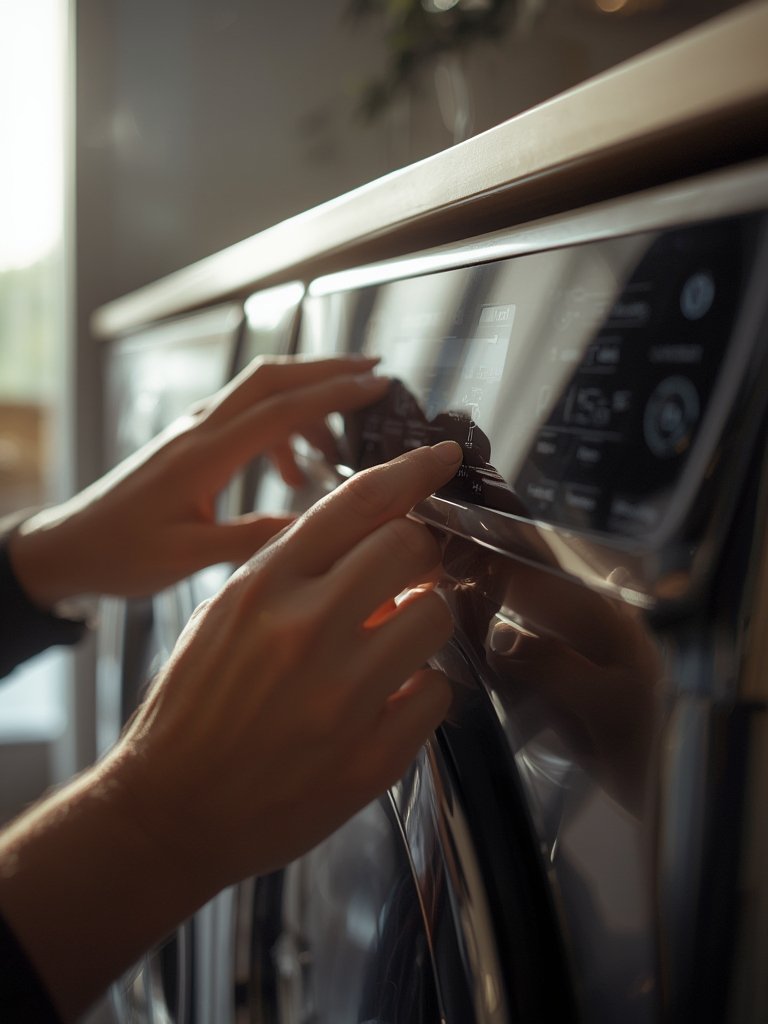
- Monitor Energy Use and Track Savings: Leverage appliance apps or a home energy monitor to track real reductions in kWh and dollars. Adjust routines monthly (e.g., running dishwasher only with full loads, air-drying laundry, using a microwave instead of an oven for small meals).
Don’t forget, organized kitchens make it easier to keep your appliances running efficiently—see our tips for smart kitchen organization that complements your upgrades.
For smaller upgrades, like kitchen gadgets and non-toxic options (e.g., PFAS-free air fryers), cost and energy impact are lower, but healthier and more reliable for everyday use.
Advanced Analysis & Common Pitfalls
Smart and energy-efficient appliances are not a magic bullet. Although features like app-based remote control, AI energy management, and predictive maintenance sound good, they introduce new complexities.
- Lack of Real-World Savings: Some “energy efficient” models only deliver small savings compared to their higher price tag. Always do the math using annual operating costs listed on EnergyGuide labels or independent sources.
- Smart Features That Underperform: Some app controls are buggy or confusing to set up. Basic kitchen tasks (like running a dishwasher) can become more complicated than necessary.
- Repair Costs and Obsolescence: Smart appliances sometimes require expensive out-of-warranty repairs, especially for touchscreens, connectivity modules, or proprietary parts. If a brand drops app support, features may stop working entirely.
- Noisy or Annoying Alerts: Some units beep too much, have bright always-on lights, or require constant app notifications to function fully, which can frustrate users.
| Feature | Traditional Appliances | Energy Efficient/Smart Appliances |
|---|---|---|
| Upfront Cost | Lower | Higher (but potentially offset by rebates and lower bills) |
| Estimated Annual Energy Cost | Higher | Lower |
| Repair Cost/Obsolescence | Standard, generally lower | Can be significantly higher, especially outside warranty |
| User Experience | Simple, no connectivity | Advanced, but potentially more complicated to set up and use |
Some negative user reviews (when available) cite issues with unreliable smart features, confusing interfaces, or difficulty with warranty claims. If you plan to upgrade, choose brands known for both hardware reliability and software support. When in doubt, stick with classic energy-saving features like “eco mode” and automatic load sensors, which have fewer points of failure.
Want to make smaller, impactful upgrades for a cleaner and more organized kitchen? Our cozy kitchen gift guide curates practical starter ideas.

Conclusion
Energy-efficient home appliances are a smart, sustainable investment—if you choose carefully and stay realistic about costs and benefits. Focus on major power users first (like fridges), scrutinize annual energy costs, and embrace only those smart features that genuinely make daily use easier. Whenever possible, take advantage of government rebates and upgrades to make your next purchase more affordable. For even more home upgrades and cost-saving ideas, check out our Lowe’s Home Improvement Store guide.
Ready to slash your utility bills and live better? Upgrade your home appliances today and experience the difference in both comfort and cost. Explore more practical tips on making your home efficient and stylish—from art deco decor to kitchen essentials you’ll actually use!
FAQ
How much could I actually save by replacing old kitchen appliances?
Typical U.S. households saved around $576 in 2024 by upgrading to energy-efficient appliances and using best practices, according to policy analysts. Your exact savings depend on local rates and which appliances you replace first.
Which kitchen appliance uses the most electricity?
The refrigerator is usually the biggest energy user, accounting for up to 10% of your total bill. Ovens and laundry machines are close behind if used often.
Are smart appliances worth the higher upfront cost?
They can be—for certain users. Smart features like AI-powered energy saving and maintenance reminders offer real benefits when used properly, but sometimes bring added complexity, software bugs, or higher repair costs that are not always worth it.
How do I find government rebates or incentives for energy-saving appliances?
Check your state energy office, local utility website, or appliance manufacturer for current incentives. While the U.S. relies mostly on federal standards rather than rebates, Japan offered specific appliance rebates in 2024.
Do energy-efficient appliances need more repairs or special maintenance?
Some newer models with advanced electronics or touchscreens may need more service or software updates. However, standard ENERGY STAR appliances are designed for reliability and usually don’t require more maintenance than traditional models.