



Ventless washer dryer units are rapidly changing how people do laundry in apartments, condos, and homes without vent access. If space, energy savings, or building limitations keep you from using a traditional dryer, understanding the growing ventless washer dryer trend is key to making a smart investment.
Key Takeaways
- Ventless washer dryer units are gaining momentum in urban areas and among those seeking energy efficiency and flexible installation.
- Heat pump technology and smart sensor features are leading innovations in 2024’s best ventless models.
- Drying times and upfront costs can be higher than vented systems—choose carefully based on your laundry habits and space constraints.
- What Is a Ventless Washer Dryer (And Why Are They Getting Popular)?
- How to Choose and Use a Ventless Washer Dryer: Step-by-Step
- Pitfalls, Drawbacks, and Real-World Issues: Advanced Analysis
- Final Thoughts: Is a Ventless Washer Dryer Right for You?
- Frequently Asked Questions
What Is a Ventless Washer Dryer (And Why Are They Getting Popular)?
Ventless washer dryer units are all-in-one or stackable laundry appliances that do not require an external vent to expel hot air and moisture. Ideal for apartments, condos, or remodeled spaces where venting is impossible or expensive, these machines collect or condense moisture, making installation far simpler than with vented dryers.
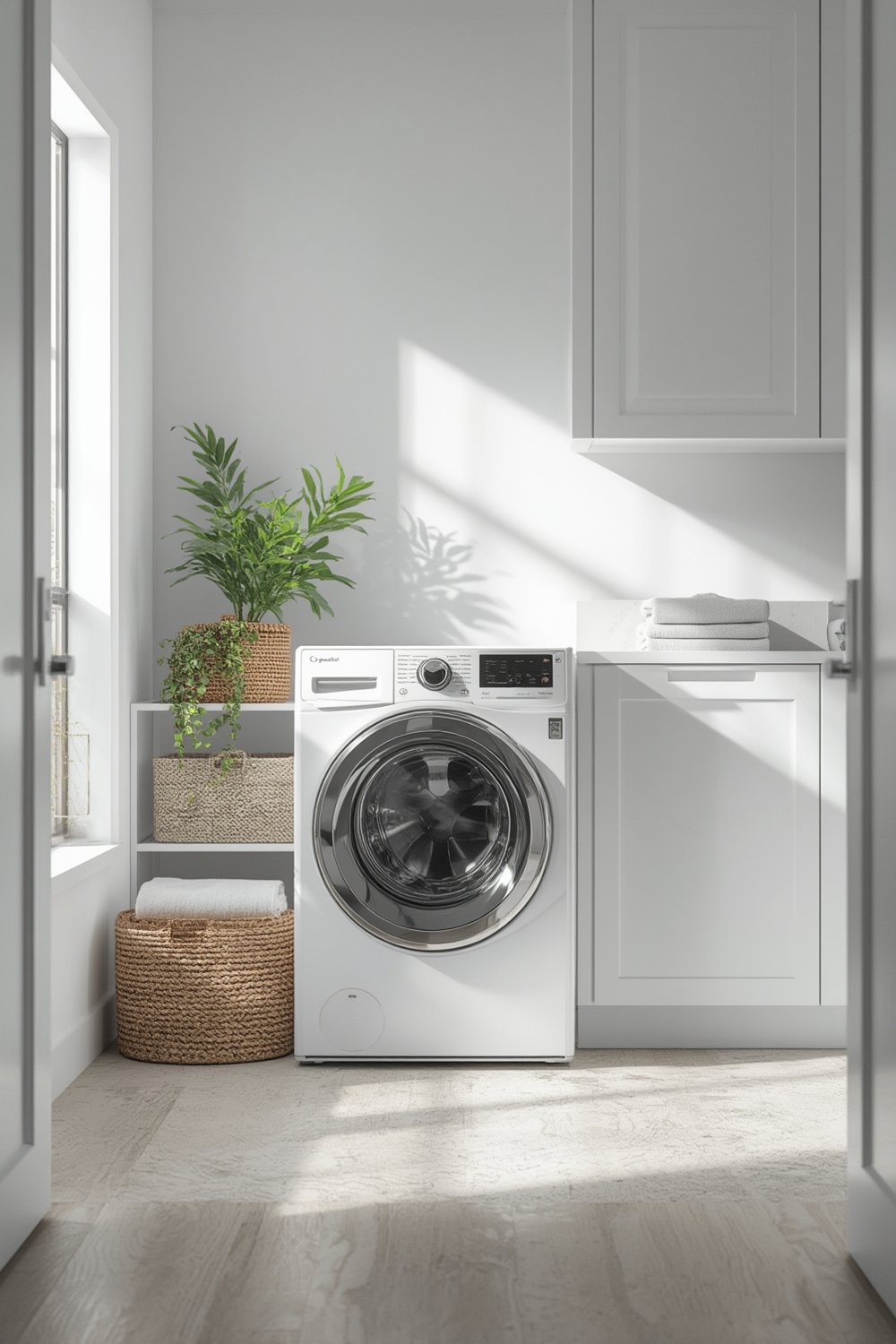
Why does this matter now? According to market research, vented dryers still account for over 72% of global sales. However, ventless variants are growing fast—especially in North America and Europe—due to urbanization, eco-regulations, and increased demand for energy-efficient solutions in tight living areas. The North America washer dryer market reached USD 16.75 billion in 2024, with front-load and ventless models seeing the most growth.
Today’s ventless dryer units use either:
- Heat pump combo technology (recirculating and condensing for major energy savings)
- Traditional condensation drying (heats and cools air internally collecting water in a reservoir or expelling through a drain)
This flexibility allows for installation in spaces where a vent is impractical or prohibited, making modern living (and laundry) much easier for many households.
If you’re designing a modern, organized kitchen or upgrading your appliances, check out our organized kitchen upgrades for more smart home inspiration.
How to Choose and Use a Ventless Washer Dryer: Step-by-Step
-
Assess Your Space and Power Availability
Ventless units are designed for small or ventless rooms but double-check your measurements. Most compact models fit under counters or in closets. Ensure you have the right electrical (usually 120V or 240V) and access to a drain if required. -
Decide Between Combo All-in-One or Separate Units
Combo models (washer + dryer in one drum) save maximum space but can take longer per cycle. Stacked or side-by-side ventless dryers often have better performance—choose based on your laundry style. -
Choose Between Heat Pump, Condensation, or Compact Ventless Models
- Heat pump units save the most electricity and operate at lower temperatures (gentler on clothes, best for smart homes).
- Condensation dryers are simpler but may run hotter and be less efficient.
- Compact ventless dryers work for light loads and very tight spaces—ideal for singles or couples.
-
Check for Smart Features and Customizable Cycles
Modern ventless machines offer Wi-Fi, mobile app controls, automatic sensors, and eco settings. These features are essential if you want to optimize energy use or customize drying cycles for different fabrics. -
Compare Costs: Upfront, Energy, and Maintenance
In North America, units with energy-saving tech generally cost USD 501-1,000. Heat pump models and premium condensation dryers cost more up front but can lower utility bills over time. Don’t forget to factor in expected lifespan, drain maintenance, and warranty. -
Prep and Use the Machine for Best Results
- Don’t overload. Ventless dryers have smaller drums; aim for moderate loads.
- Use the right cycles for towels, bedding, or delicate items.
- Empty water reservoirs and clean filters after each use to keep efficiency high.
-
Routine Maintenance
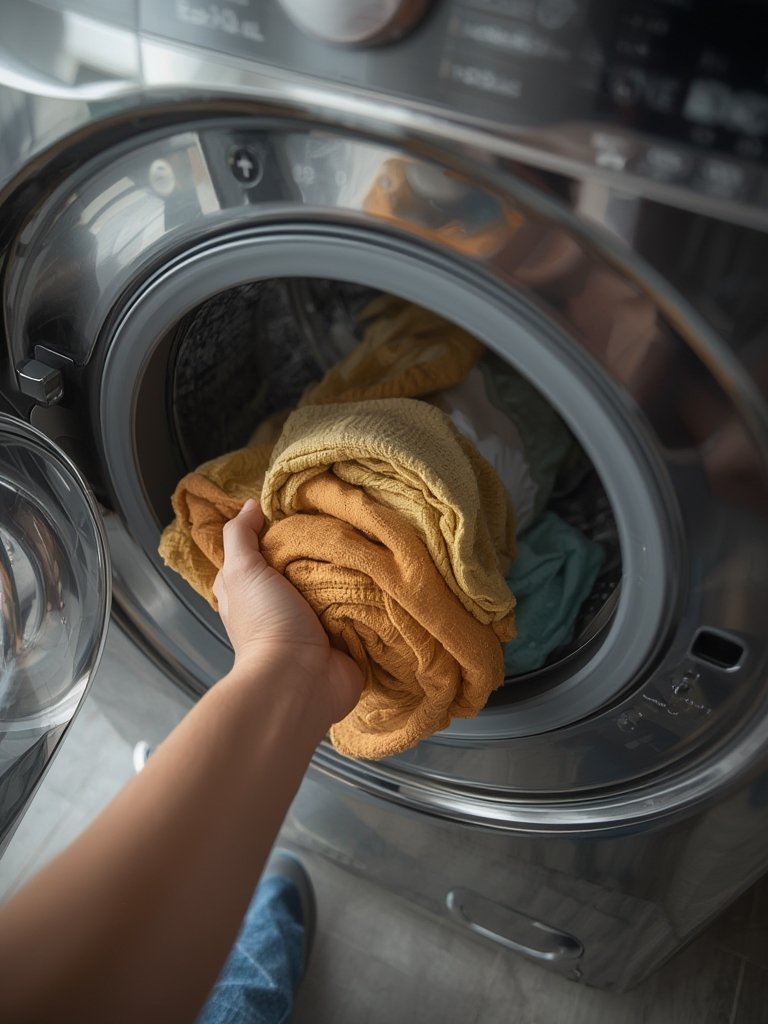
Remove lint from filters and check water collection tanks/drawers regularly. Most problems stem from missed cleaning.
Looking for an energy-efficient air fryer or more kitchen upgrades? See our best non-toxic air fryer picks for quick, safe cooking ideas.
For broader appliance shopping and DIY installation help, our Lowes home improvement guide has practical tips for every room.
Pitfalls, Drawbacks, and Real-World Issues: Advanced Analysis
Ventless washer dryer systems aren’t a one-size-fits-all solution. Rapid market growth brings more options, but also exposes some practical problems buyers should know.
Common Pitfalls
- Longer Drying Times: Ventless models, especially combos, often take longer than traditional vented dryers—sometimes up to 2-3 hours per load for heavy items or towels.
- Reduced Load Capacity: Compact designs usually mean smaller drums. Large families or households with lots of bedding may find these units restrictive.
- Higher Upfront Costs: While ventless dryers save on retrofit costs, high-end models ($800 and up) are more expensive than basic vented options.
- Ongoing Maintenance: Regularly emptying water tanks and cleaning multiple filters is required. Skipping this leads to mold, odor, and poor drying.
- Mixed Performance on Tough Loads: There’s little third-party data, but user anecdotes frequently mention that dense fabrics (like comforters and towels) may not dry as quickly or fully on ventless machines.
- Potential Humidity Problems: If the unit leaks or the room is poorly ventilated, humidity may build up. Always ensure your space can handle a ventless unit safely.
Energy Use, Drying Time, and Feature Comparison
While head-to-head technical data is limited, here’s a realistic breakdown of what to expect by drying tech in 2024:
| Type | Typical Cost (USD) | Energy Use | Drying Time | Best For | Main Downside |
|---|---|---|---|---|---|
| Heat Pump Combo | 900-1600+ | Very Low (Best Efficiency) | Medium-Long (90-150min) | Eco homes, smart homes | Higher cost, longer dries |
| Condensation Dryer | 600-1,200 | Moderate | Medium-Long (75-130min) | Easy installs, apartments | Hot exhaust, simple controls |
| Compact Ventless Dryer | 400-900 | Low | Longer (100-180min) | Smallest spaces | Tiny capacity, long cycles |
(Sources: Grand View Research, Strategic Market Research)
Smart Features in 2024’s Best Models
- Wi-Fi and app-connected cycle control
- AI-powered load sensing for energy and water savings
- Automated filter/condenser cleaning alerts
- Integration with smart home systems (voice assistant, phone scheduling)
As demand for flexible laundry grows, combo washer dryer units with ventless operation and tech-forward features are becoming the standard in new urban homes and renovations. For the latest kitchen and laundry essentials, see our recommendations for must-have upgrades every home needs.
Final Thoughts: Is a Ventless Washer Dryer Right for You?
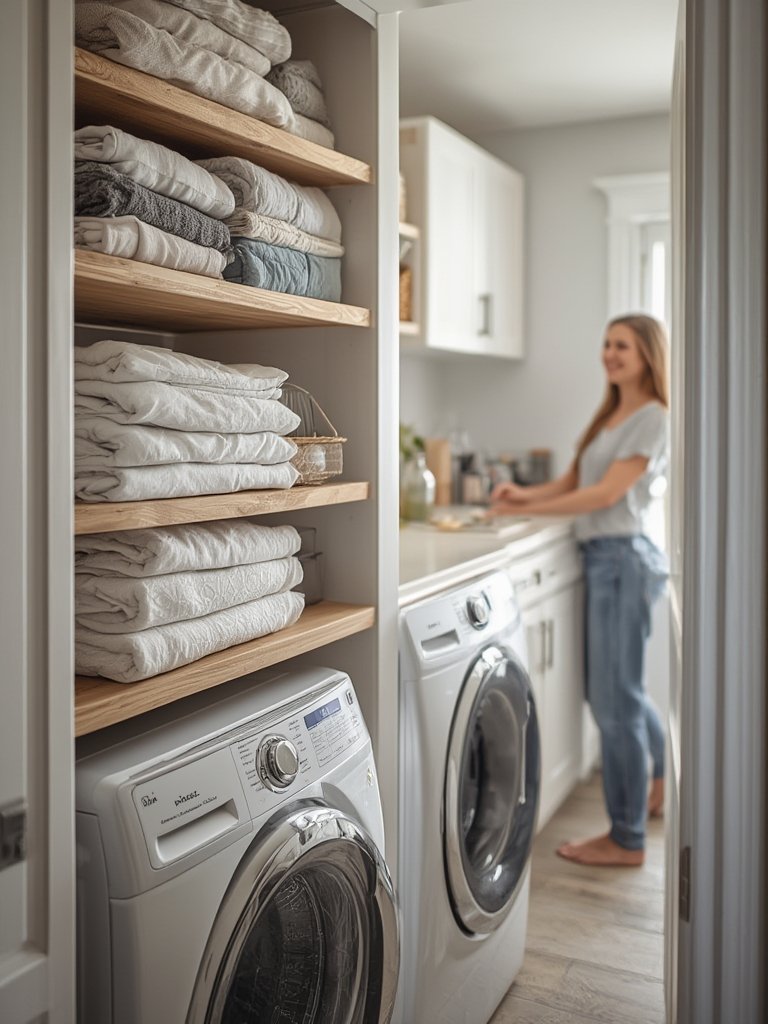
Ventless washer dryer units represent the future of laundry for many apartment dwellers, renovators, and those seeking energy efficiency without the hassle of vent installation. While these machines are not perfect—they tend to cost more upfront, and they aren’t ideal for huge laundry loads—they offer unique flexibility, energy savings, and advanced smart features.
If you prioritize easy installation, modest loads, and want the latest tech in your laundry appliances, a ventless washer dryer could be the best upgrade you make this year. Ready to modernize your laundry room? Explore top-rated ventless models and start making smart, space-saving changes today.
For more inspiration on organizing your living space, check out our curated art deco furniture and decor guide to bring historic style into your modern home.
Frequently Asked Questions
Do ventless washer dryer combos take longer to dry clothing?
Yes, ventless combos typically take longer to dry laundry than vented dryers. Expect cycles of 90-180 minutes, especially for towels and bedding. This is due to lower heat and internal moisture recycling.
Are ventless washer dryers more energy efficient than vented dryers?
Generally yes, especially with heat pump technology. Ventless units recirculate air and use less energy, saving on electricity costs over time. However, actual savings depend on your usage patterns and model chosen.
What ongoing maintenance do ventless washer dryers require?
You need to regularly empty the water reservoir (if applicable), clean lint filters and condenser coils, and watch for any residue or odor build-up. Monthly deep cleaning is recommended for best results.
Can ventless washer dryers handle comforters and large loads?
Performance varies. While they can handle typical loads, very large or dense fabrics may not dry as quickly or evenly. For king-size comforters, a traditional vented dryer or laundromat may be more reliable.
Are ventless washer dryers a good choice for a smart home?
Absolutely. 2024 models feature Wi-Fi, app support, and integration with smart home platforms, allowing remote operation and cycle customization for efficient, hands-off laundry care.