


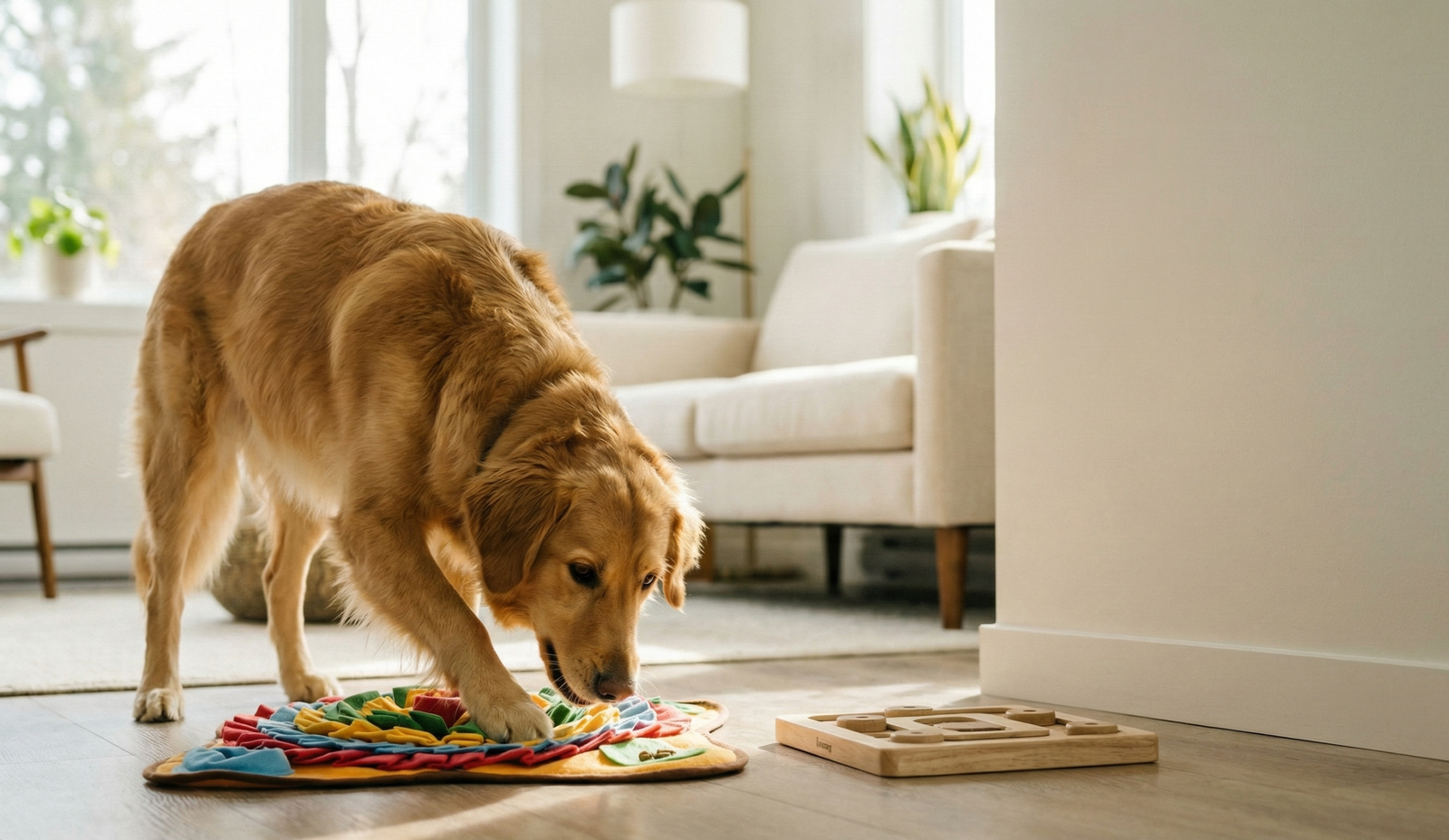
Dog enrichment is one of the most impactful ways to improve your pet’s behavior, happiness, and long-term health—when done right. Science shows that tailored enrichment activities can cut stress, build confidence, and help both puppies and seniors thrive. But not all enrichment toys work for every dog, and common mistakes cause frustration for owners and pets alike. Here’s how to do it better, based on the latest research (2024).
Key Takeaways
- Combining social, physical, and puzzle-based dog enrichment is proven to boost mental and physical health—social and active play reduce stress fastest.
- Choosing the right toys and activities for your dog’s age, temperament, and abilities prevents boredom and safety issues.
- Owner mistakes like picking toys that are too hard, not rotating activities, or using food puzzles as a fix-all can limit enrichment’s benefits.
- What Is Dog Enrichment and Why Does It Matter?
- Step-By-Step Guide to Effective Dog Enrichment (2024)
- Advanced Analysis & Common Pitfalls (Plus Solutions)
- Conclusion
- FAQ
What Is Dog Enrichment and Why Does It Matter?
Dog enrichment means providing stimulation that lets your dog perform natural behaviors—sniffing, chewing, chasing, working problems, and social play. True enrichment isn’t just about “keeping them busy”—it’s about improving emotional state, reducing stress, and supporting cognitive and physical health.
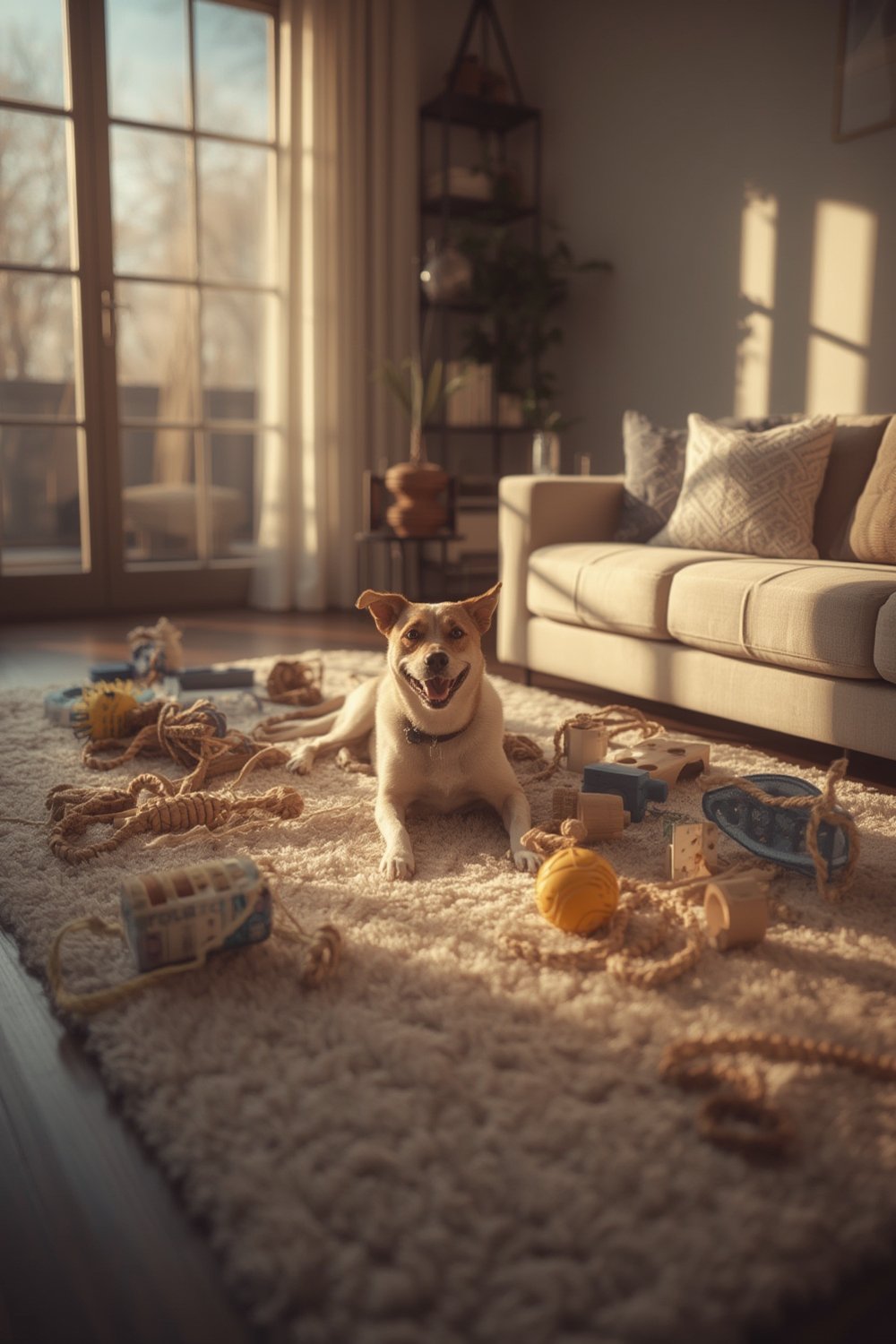
Research from Otto Environmental and others shows the most dramatic benefits come from multi-modal enrichment plans—mixing social activities (like tug or play), cognitive puzzles, and novel environments. For example, an 8-week study of assistance dogs found that social play and physical challenges (like play stations with ramps) reduced stress behavior far more effectively than food-only puzzles.
Benefits of good enrichment include:
- Lower stress behaviors (less barking, restlessness, or digging)
- Better focus and learning in training
- Boosted problem-solving and confidence
- Potentially longer, healthier lives up to 15% longer in enriched environments[source]
It’s not just about toys: enrichment also means engaging walks, sniffing games, gentle training, or even landscape changes. For example, just 30 minutes of social interaction in a shelter setting led to calmer, more relaxed dogs during the same session[2024 shelter study].
Step-By-Step Guide to Effective Dog Enrichment (2024)
-
Assess Your Dog’s Age, Breed, and Physical Abilities
Puppies and working breeds need more social and movement-based enrichment (chase, tug, sniffing games), while seniors or mobility-limited dogs benefit from low-impact activities (lick mats, easy puzzle feeders). Always match enrichment to physical abilities and avoid toys that roll wildly for dogs with arthritis or limited vision. -
Create a Multi-Modal Enrichment Plan
Mix these elements:- Social/Active Play: Tug, fetch, gentle wrestling, playdates with friendly dogs.
- Cognitive Games: Puzzle boards, treat-dispensing toys, gentle shaping games.
- Sensory Activities: Sniffing games, scatter feeding, novel safe objects.
- Physical Setups: DIY ramps/tunnels, supervised backyard exploring (see inspiration in landscaping service guides).
Plan for at least two types daily for most dogs.
-
Start With Easy, Supervised Wins
Use simple open KONGs, shallow treat cups, or light tug. Observe your dog for engagement and adjust as needed. Supervise new toys to check for chewing/durability. -
Increase Difficulty and Novelty Gradually
As your dog succeeds, level up puzzle toys or rotate toys weekly to prevent boredom. For strong chewers, stick to heavy-duty rubber toys from proven brands (KONG Extreme, West Paw). Rotate play locations in your home or yard for more mental variety. -
Track and Adjust
Notice changes: is your dog more relaxed, focused, or satisfied after sessions? If not, try adding social or sniff-based enrichment or switching formats. -
Safety First: Monitor and Maintain
Remove broken toys immediately. Choose sizes your dog can’t swallow. For anxious or noise-sensitive types, avoid loud, unstable toys and use calming enrichment instead.
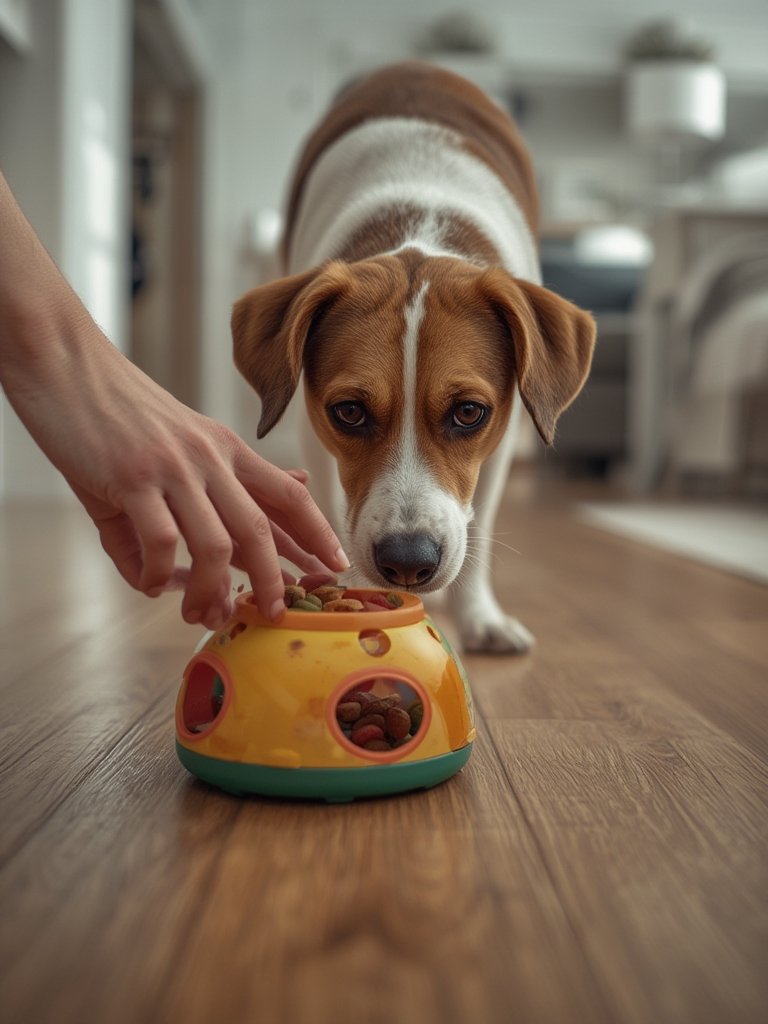
If you’re tight on time, blend enrichment into daily routines: use a puzzle feeder at breakfast, hide treats during a walk, and swap out three toys weekly for novelty. See some inspiration on interactive pet enrichment for cats—many ideas easily adapt for dogs.
For more ideas, check multi-use enrichment tools, like KONGs (can be stuffed, frozen, or part of a scent game) and snuffle mats (doubles as a slow feeder for anxious eaters). Highly recommended by trainers and used in research, these brands are proven safe and effective (see sources).
Advanced Analysis & Common Pitfalls (Plus Solutions)
Despite the benefits, enrichment goes wrong when toys are mismatched, used too repetitively, or not tailored to your dog. Below are the main pitfalls—and how to fix them.
| Pitfall | Common Symptoms | Solutions & Alternatives |
|---|---|---|
| Toys too hard or too easy | Dog gives up quickly, ignores toy, or finishes in seconds | Start with easy options; level up difficulty slowly; rotate for novelty |
| Poor durability or wrong size | Toy destroyed, pieces swallowed, risk of choking or dental damage | Pick brands rated for power chewers (KONG Extreme, West Paw). Always supervise first use and size appropriately |
| Over-reliance on food puzzles | Dog stays hyper or restless; social/play needs unmet; puzzle ignored when not hungry | Always combine food puzzles with training, walks, social/play enrichment. Use puzzle toys as only one piece of the plan |
| Not matching to dog’s abilities (age/injuries) | Senior or limited-mobility dogs avoid rolling toys, get frustrated or tired | Switch to lick mats, easy snuffle mats, scent games at accessible height; opt for soft toys with minimal movement |
| Lack of rotation/novelty | Dog loses interest, appears bored after a few days | Cycle 3–5 toys at a time. Change rooms, environments, and even textures |
| Using enrichment only when leaving dog alone | Dog may associate toys with owner’s absence or anxiety triggers | Also use enrichment when present—co-play is proven more rewarding |
| Messy, hard-to-clean toys | Owners stop using enrichment due to hassle; sticky or unsafe toys accumulate bacteria | Pick dishwasher-safe, simple toys for daily use; use messy options (like snuffle mats) in easy-clean areas |
Several leading brands (KONG, Nina Ottosson, Outward Hound, West Paw, Lickimat) are designed to solve durability and cleaning issues—but nothing replaces observing how your specific dog interacts with each product. When choosing, consider the importance of fit and practical design, not just marketing claims.
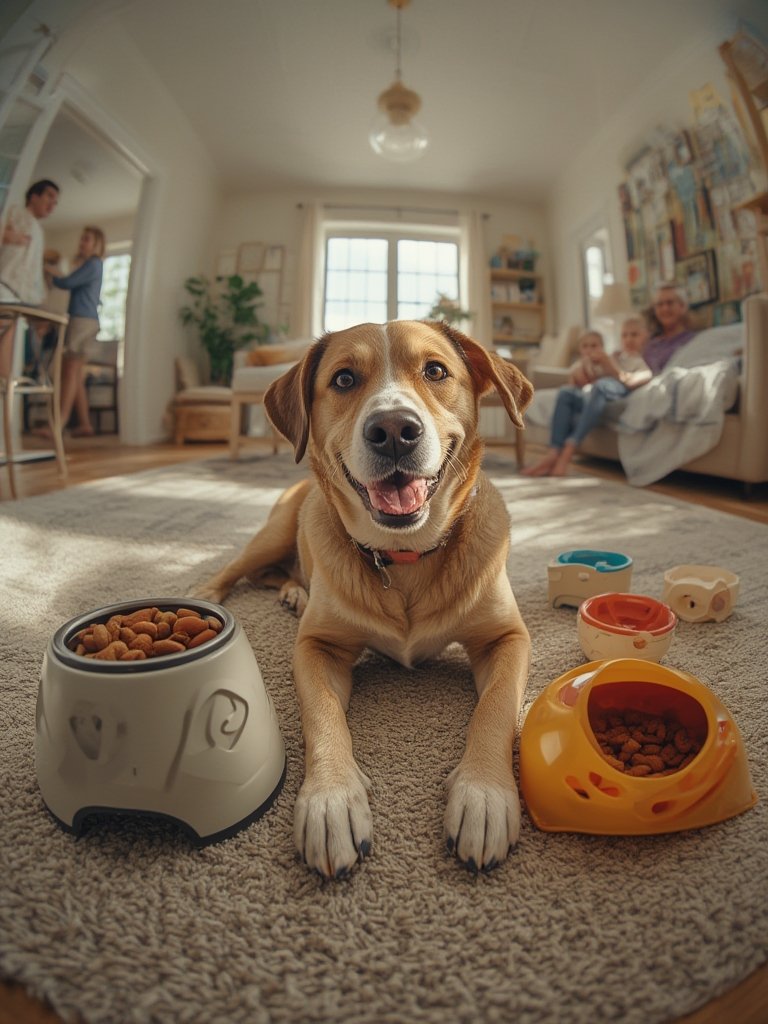
For multi-dog homes, manage enrichment time with routine or location cues. If resources are tight, the research shows social and sensory enrichment (walks, play, scent work) often deliver more welfare benefit per dollar than expensive “smart” toys—find ways to maximize impact on your budget.
Conclusion
Implementing smart dog enrichment is one of the fastest, research-backed ways to raise a calmer, healthier, and better-adjusted canine. The best outcomes come from mixing social, sensory, and puzzle activities tailored to your dog’s abilities—and avoiding the common pitfalls outlined above. Start small, stay consistent, and observe what truly excites and relaxes your dog.
Ready to improve your pup’s daily experience? Start your personalized dog enrichment routine today and see real behavior changes within weeks.
FAQ
What is the most effective type of dog enrichment?
Studies show that social and active enrichment—like tug, fetch, and interactive play—have the fastest and most consistent effect on reducing stress and promoting relaxation, compared to food puzzles alone.
How can I tell if enrichment is working for my dog?
Look for fewer stress signs (barking, destructive chewing), shorter times to settle after activities, increased interest in play, and better focus during training. Track changes weekly to spot improvements.
Are food puzzles enough for all dogs?
No. Food puzzles help, but research (2024) shows they are less powerful than social and physical enrichment. It’s best to use food puzzles alongside games, training, and sensory activities.
What’s the best enrichment for senior or disabled dogs?
Gentle, low-impact options—like lick mats, easy snuffle mats, and short scent trails—are generally best. Avoid fast-rolling toys or high-frustration puzzles for dogs with arthritis or limited mobility.
How often should I rotate my dog’s toys?
Most behaviorists recommend changing out active toys and puzzles every week to maintain novelty and avoid boredom. Keep 3–5 toys in rotation and store the rest out of sight between uses.