


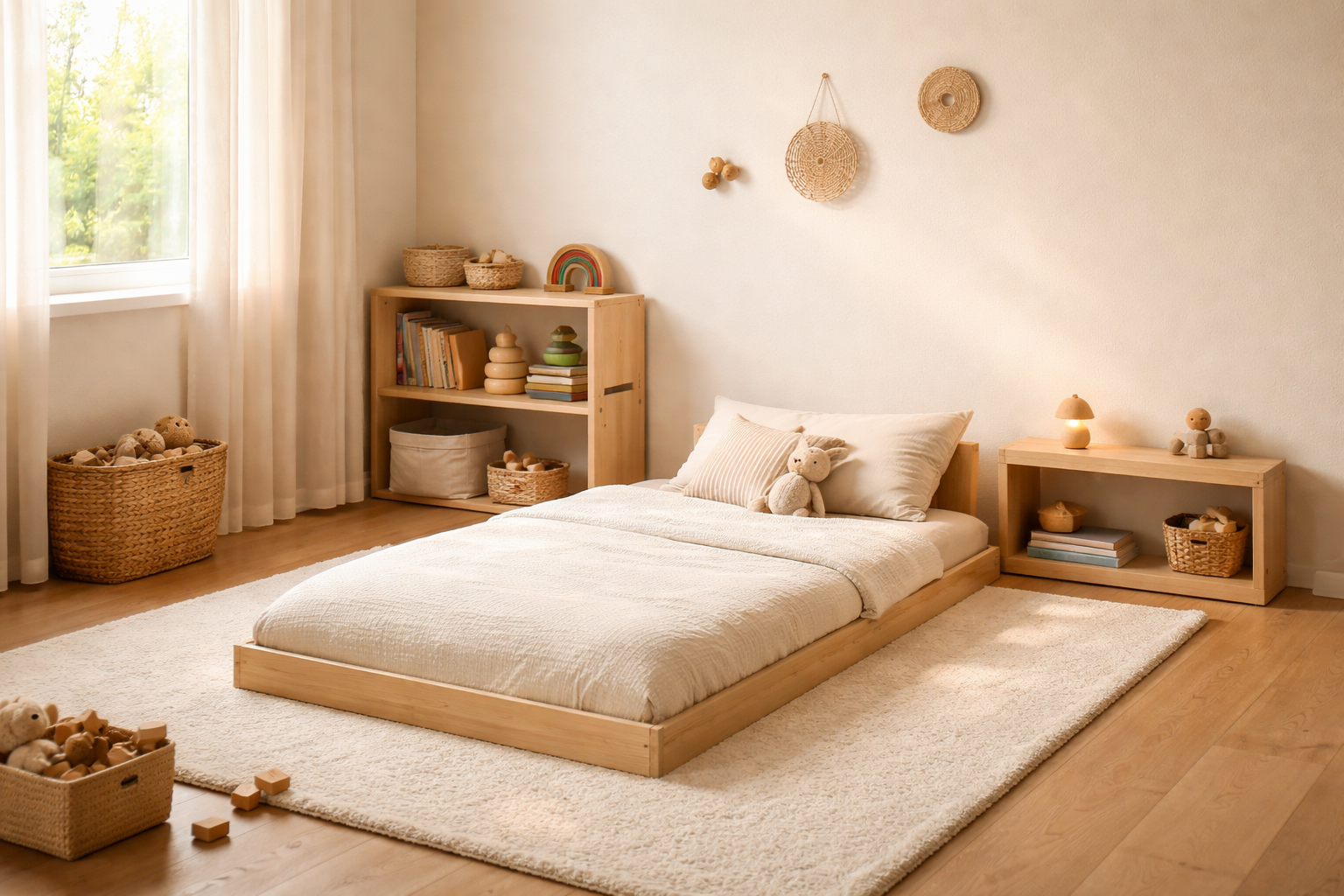
Montessori bed setups are rapidly reshaping toddler and preschool bedrooms, with thousands of parents choosing floor-level designs for independence and style—but this trend has unique pros, pitfalls, and realistic safety details you should know before making the switch.
Key Takeaways
- Montessori beds support toddler independence but demand careful room baby-proofing and realistic expectations on sleep outcomes.
- Global market value is surging: more than $500 million in 2025, projected to triple by 2033—yet most options lack dedicated safety standards.
- Choosing the right material, ventilation, and verified certifications are as crucial as design or “Instagram-ready” aesthetics.
- What Is a Montessori Bed? And Why Are Parents Choosing Floor Beds?
- How to Choose and Set Up a Montessori Bed: Step-by-Step
- Montessori Bed: Advanced Analysis & Common Pitfalls (What Brands Don’t Tell You)
- Conclusion
- FAQ
What Is a Montessori Bed? And Why Are Parents Choosing Floor Beds?
A Montessori bed is a floor-level sleeping setup (with or without a low frame) inspired by the Montessori method. The core idea is giving toddlers freedom of movement—letting them get in and out of bed on their own, fostering independence and letting them wake or sleep without adult intervention. Montessori beds have exploded in popularity thanks to their open design and alignment with natural-parenting philosophies.
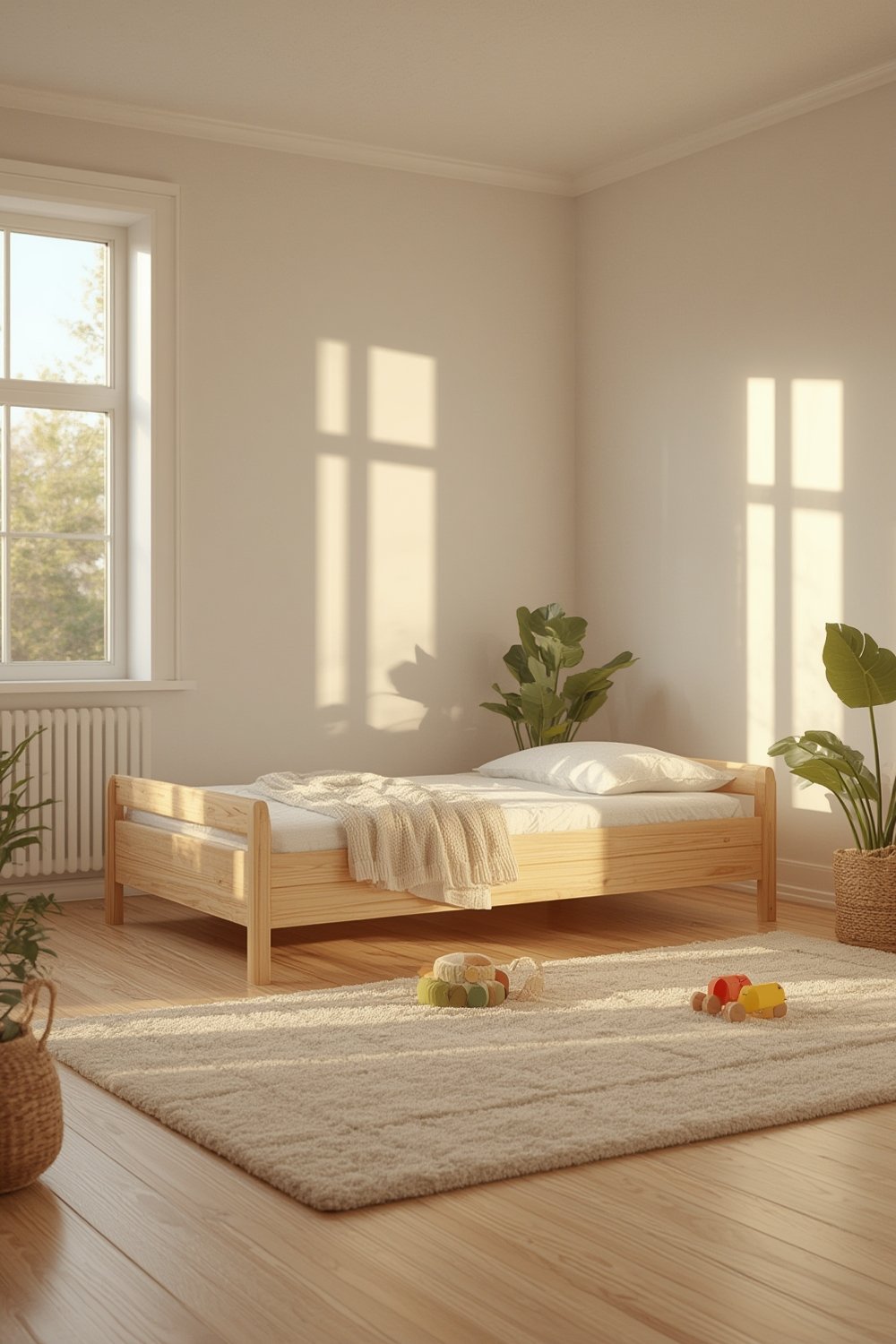
Unlike traditional cribs, Montessori beds make the entire room the “safe zone,” since the child can explore freely. This reminds many parents of principles behind attachment parenting and other respectful-child approaches.
According to Montessori floor bed market research, global sales are forecast around $550 million in 2025 and may top $2 billion by 2033, as more families prioritize early independence and non-toxic, natural materials. Montessori beds are especially popular in North America and among urban, middle-class households worldwide (source).
But “Montessori bed” is not a regulated safety category. It’s a niche bedroom strategy—one that strongly appeals to parents seeking autonomy for their child. The approach does require total room safety (versus relying on crib bars), which surprises many first-timers. Price points range from affordable DIY to $700+ luxury models, with the most robust growth among premium, eco-certified brands.
Montessori beds are also referred to as vloerbed (Dutch for “floor bed”) or “toddler floor bed.” All imply a mattress on the floor or very close to it, often with minimalist framing and sometimes with partial rails. These setups are recommended for toddlers 15 months to 5 years old, but cultural norms and safety guidelines vary by country and manufacturer.
How to Choose and Set Up a Montessori Bed: Step-by-Step
Setting up a Montessori bed is more involved than just moving a mattress to the floor. Here’s a practical process to maximize safety, sustainability, and your child’s transition success.
- Choose the right bed size and frame.
- For toddlers under 3, twin or crib mattress size is most practical. Check that the frame has snug mattress fit—no gaps over 20 mm (about 0.8 inch).
- Montessori frames are usually 3–6 cm (about 1–2 inches) off the floor; some add minimalist rails for younger children.
- Pick quality, tested materials.
- Prioritize solid wood (FSC certified if possible) and water-based/zero-VOC finishes. Check for EN71-3 or CPSIA labels if shopping premium brands.
- Low-budget and DIY beds may use engineered wood, but check for low formaldehyde and avoid sharp/rough edges.
- Prep the WHOLE room—think “crib without bars.”
- Plug outlets with covers, anchor dressers/shelves, remove dangling cords, and secure windows. Move heaters and choking hazards out of reach.
- Treat every possible hazard, since the child will have free access any time they’re in the room. See a complete parent safety checklist for room prep steps.
- Ventilate under the mattress.
- A slatted base promotes airflow and reduces risk of trapped moisture or mold. If using a simple mattress directly on the floor, lift and air it out weekly.
- On cold floors, add a natural fiber rug or cork mat beneath—but always allow for some airflow.
- Stagger the transition.
- If your child is under 18 months or easily startled, try naps in the Montessori bed first before overnight sleep. Some parents use removable rails or rolled-up towels as temporary bumpers.
- Keep bedtime routines consistent. Prepare for a wave of new freedoms, including get-ups and night roaming, as common with all floor bed setups.
- Inspect and maintain regularly.
- Tighten all bolts and check slats for movement weekly if a frame is used. Periodically check for splinters or chipped paint, especially with budget or DIY builds.
- Spot-clean spills promptly and wash bedding frequently (more dust accumulates near the floor).
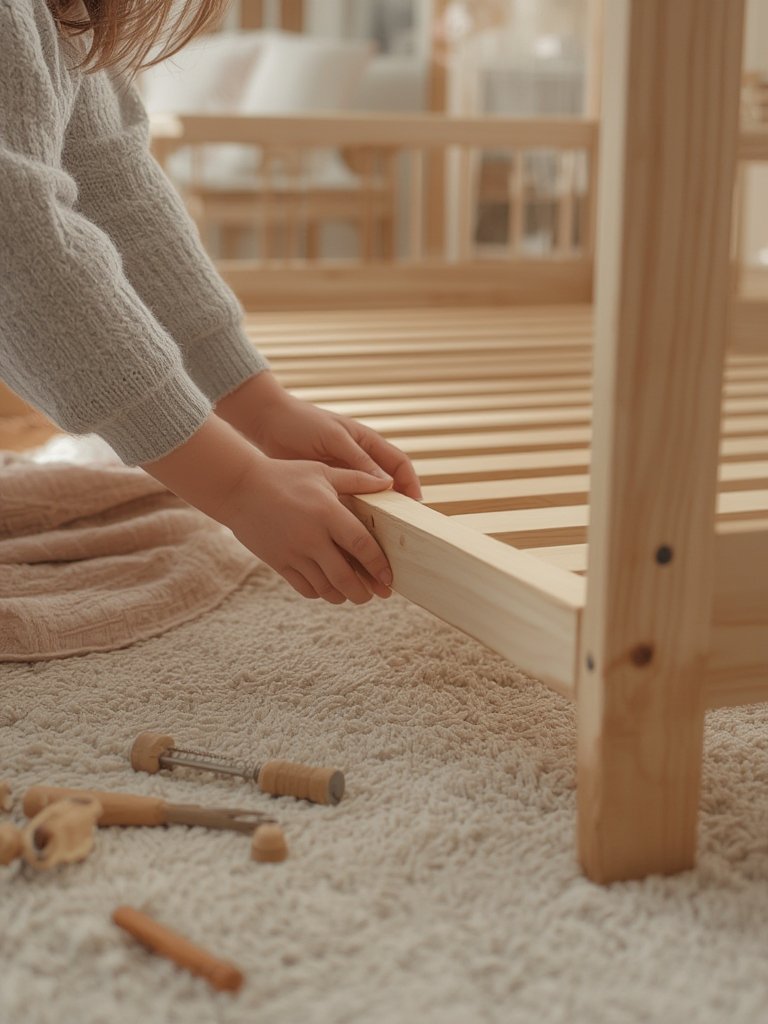
- If you’re a renter or want room to adapt, consider a modular Montessori bed that converts from floor to raised or adds/removes rails as your child’s needs change.
- Plan your total furniture path: going directly from crib to a convertible Montessori bed can save money versus buying a crib, toddler bed, and then twin bed sequentially.
- Check community reviews for real-world pros/cons. For instance, parents highlight that premium Montessori brands offer better fit and long-term value, while DIY or budget models often trade off on ventilation or fit quality.
Montessori Bed: Advanced Analysis & Common Pitfalls (What Brands Don’t Tell You)
The Montessori bed boom is real, but market hype and Instagram aesthetics can hide tangible challenges, safety gaps, and differences between models.
Market Growth, Price Tiers & Ownership Costs
| Type | Typical Price | Materials | Pros | Cons |
|---|---|---|---|---|
| Premium Montessori Bed | $250–700+ | Solid pine, oak, beech, natural finish | Very sturdy Often eco-certified Fits standard mattresses Sometimes modular | High upfront cost Bigger shipping footprint Still requires baby-proofing |
| Mid-range Montessori/Floor Bed | $150–300 | Mixed solid & engineered wood | Decent aesthetics Lower cost Somewhat robust | May lack certifications Less durable for repeated sitting/climbing Finish may chip sooner |
| Budget/Toddler Floor Bed | $70–180 | Engineered wood, lightweight metal | Affordable Easy assembly Available in major stores | Sometimes poor fit Off-gassing chemical smell Can wobble under parent weight |
| DIY/No Frame | $0–150 | Basic pine or just mattress | Lowest cost Customizable No shipping footprint | No safety testing Mold/moisture risk Rough edges possible |
Realistic Pain Points & Safety Issues
- Nighttime exits are common. Toddlers frequently get up at bedtime or early morning, which can worsen sleep for parents. The trade-off for independence is often more parental patience.
- The entire room must be baby-proofed. Outlets, furniture, and even closet doors become accessible. Failing to baby-proof fully is a major source of accidents and stress. For a full checklist, review practical tips from Nighttime Essentials for New Parents.
- Mold and moisture risk. A mattress directly on the floor restricts airflow, trapping moisture and leading to potential mold. Always inspect for condensation, especially in basements or on concrete floors.
- Fit and rail gaps. Many low-cost beds have gaps between mattress and frame large enough for limbs to get stuck. ASTM F1821 (US) and EN 716/EN 1725 (EU) recommend no gaps over 20 mm to avoid entrapment hazards.
- Eco-marketing vs. real safety. “Natural” or “solid wood” marketing means nothing without proof. Genuine certifications: EN71-3 (EU, for low heavy metals), CPSIA (US, for lead/phthalates), and FSC for sustainable wood.
- Cleaning challenges and air quality. Beds at floor level gather dust, pet hair, and may feel colder (or receive drafts) in older homes. Clean underneath weekly, and consider an air purifier as part of your plan for a healthy home air quality setup.
- Assembly time is often underestimated. House-frame beds, popular on social media, may require over an hour to assemble. Check for clear, pictorial instructions before buying.
Key Differences: Montessori Bed vs Toddler Floor Bed vs Vloerbed
| Type | Core function | Typical age | Height/structure | Basis |
|---|---|---|---|---|
| Montessori bed | Independent sleep, movement, self-directed waking | 6–18 months+ (most 18m–5y) | Very low; minimal/no rails; slats or mattress a few cm above floor | Montessori method, often eco/natural-living circles |
| Toddler floor bed | Bridge crib and big-kid bed, safe access | 15m–5y | Low profile; often partial rails | Broader mainstream market, not always “Montessori” branded |
| Vloerbed | “Floor bed” term in Dutch; overlaps with Montessori bed | Toddler and up | Mattress on floor or very low open frame | Linguistic/cultural, not separate safety standard |
| Standard baby floor bed | Generic floor/low beds | Infant to preschooler | Mattress on floor or low; rails vary | Defined by height more than philosophy |
Overlooked But Crucial Details
- Manufacturers rarely spell out exact slat spacing, mesh guardrail height, or mattress fit spec—yet these matter for safety.
- Most content underplays the need to adapt safety measures as kids grow and learn to climb or open doors.
- Hygiene (dust, air quality, pet hair) becomes a bigger challenge the lower you go to the floor. Weekly cleaning is a must.
- Almost no guides offer direct cost/benefit analysis of Montessori bed versus traditional crib-to-bed pathways. Plan for the long-term.
- Mold can occur with poor ventilation—even with premium beds—especially in humid climates. A slatted base is safer than mattress-on-floor.
If you’re tackling a complete nursery refresh, see ideas for blending Montessori and vintage style in this Art Deco furniture guide for high-impact, safe, non-tacky decor.
Conclusion
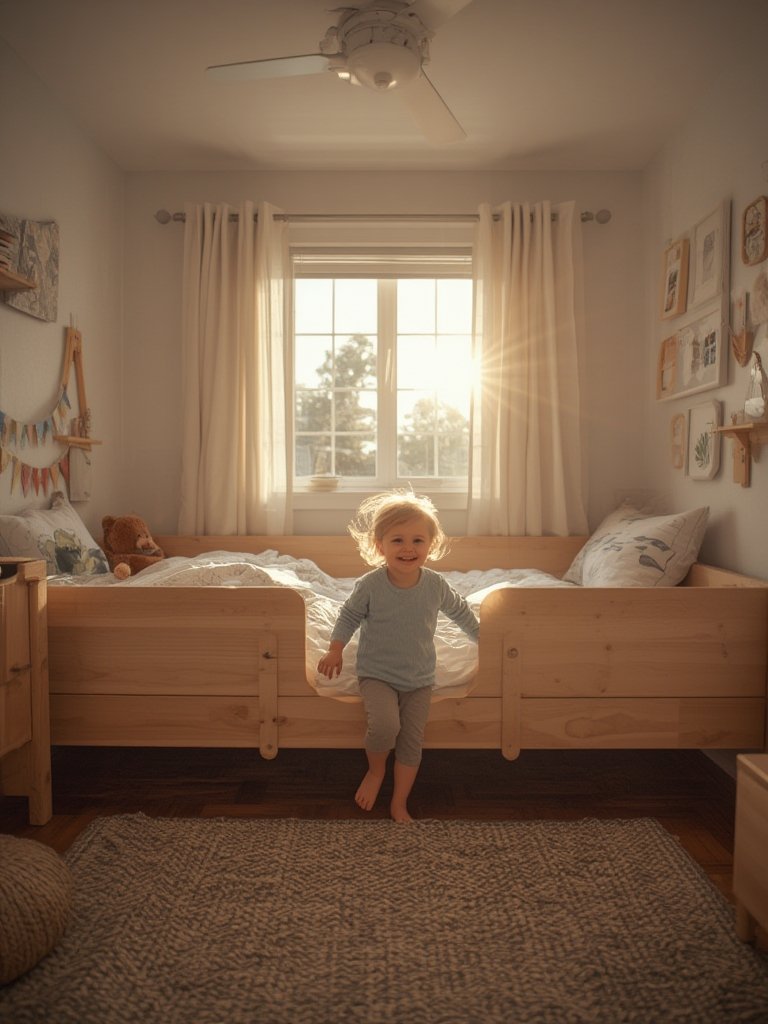
Montessori beds offer toddlers new independence—but only with full-room baby-proofing and realistic expectations about sleep routines. While the Montessori bed trend is supported by rapidly growing sales and strong parent enthusiasm, the transition requires more prep and ongoing diligence than many guides admit. Choose certified materials, plan for ventilation, and anticipate that fostering autonomy is a journey, not a magic fix. Want more smart parenting upgrades? Explore our guides on Nighttime Essentials for New Parents and keeping the whole home safe and fun.
Ready to set up your own Montessori bed? Start with a thorough room safety audit and choose a proven, tested frame for peace of mind.
FAQ
Is a Montessori bed safe for children under 18 months?
Most safety experts recommend waiting until at least 15–18 months, once your toddler can climb out of a crib reliably and walk well. Never use a Montessori bed for newborns; safe crib sleep is the standard under 12 months.
What is the difference between a Montessori bed and a toddler floor bed?
A Montessori bed emphasizes open access and minimal rails for maximum independence, while toddler floor beds often include partial rails and focus on preventing falls. Both are low to the floor, but only Montessori beds connect to a specific educational philosophy.
Do Montessori beds need slats, or can I put the mattress directly on the floor?
Slats are strongly recommended. They allow for airflow under the mattress, reducing risk of trapped moisture and mold. If you need to place a mattress directly on the floor, air it out weekly and check underneath for condensation.
What certifications or standards should I look for?
Look for ASTM F1821 (US) or EN 716/EN 1725 (EU) for structural safety, and EN71-3 (EU) or CPSIA (US) labels for toxic substance limits. FSC certification means sustainable wood; none of these are required for Montessori beds but add peace of mind.
What are the most common mistakes with Montessori beds?
Under-preparing the room (missing hazards like cords or unstable furniture), placing a mattress directly on the floor with no ventilation, and expecting instant sleep improvements. Also, buying based on looks instead of verified quality materials and fit.
As an Amazon Associate, I earn from qualifying purchases. If you buy through links on this page, I may receive a small commission at no extra cost to you. This helps support the site and lets me keep creating helpful, free content.