


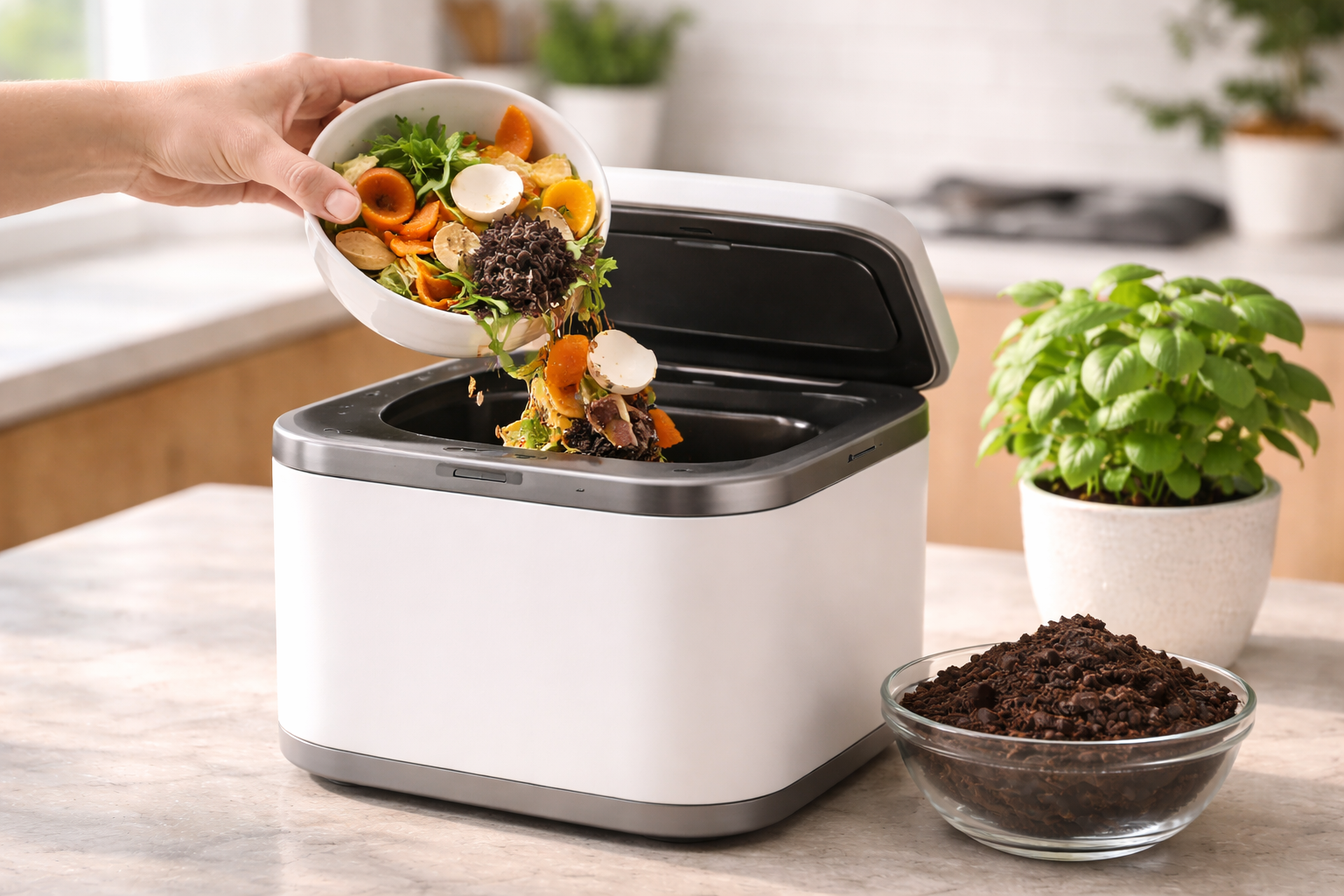
Electric Kitchen Composter units are transforming how households handle food scraps—offering fast, odor-controlled composting on your countertop without the mess or space traditional composting needs.
Key Takeaways
- Electric kitchen composters deliver quick, odor-managed food recycling in indoor spaces, but long-term reliability and hidden costs need scrutiny.
- The market is booming—residential models lead, tech upgrades abound, but reliable real-world user feedback on complaints and running costs remains sparse.
- Government incentives and in-depth efficiency research are still limited, so buyers must make careful, case-by-case purchase decisions.
- What Is an Electric Kitchen Composter, and Why Are They Booming in 2024?
- How to Use and Maintain Electric Kitchen Composters: Actionable Guide
- What Buyers Overlook: Advanced Analysis & Common Pitfalls
- Conclusion
- FAQ
What Is an Electric Kitchen Composter, and Why Are They Booming in 2026?
An electric kitchen composter is a compact, powered appliance that transforms food scraps—fruit peels, vegetable offcuts, meat, dairy, and more—into dried, soil-like fertilizer in hours, not months. Designed for convenience, many models sit right on your countertop models, using grinders, low heat, and filtration to speed up decomposition, reduce odors, and limit mess.
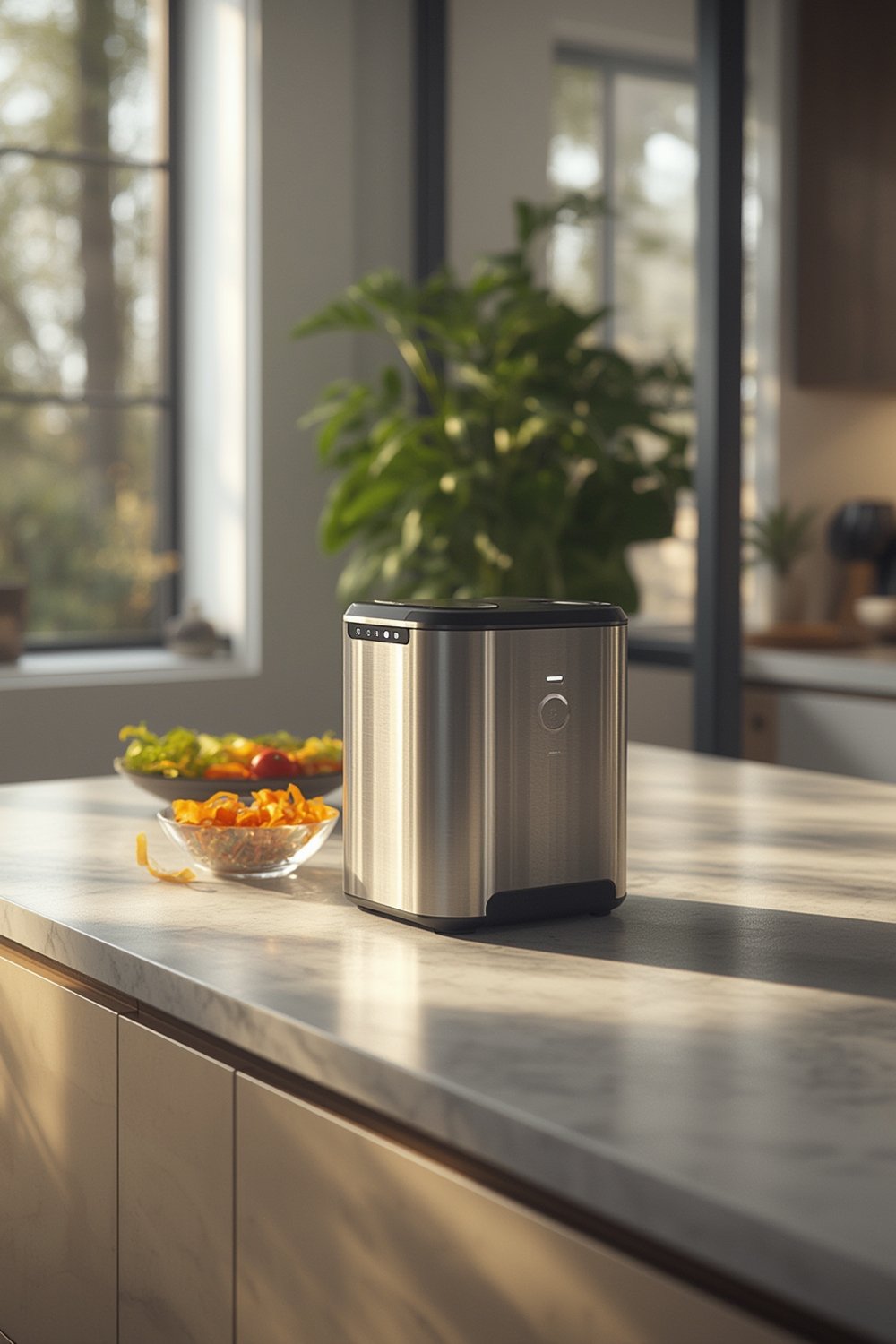
The global market for these composters is expanding rapidly. In 2024, the electric kitchen composter market is valued at between USD 3.24 billion and USD 5.67 billion, with forecasts reaching up to USD 22.65 billion by 2032 (source). Residential adoption is especially strong—accounting for 40.5% of the market—with North America and Europe leading growth. Tech features like odor control and smartphone integration are major drivers (see data).
Why now? Greater environmental awareness, stricter urban food waste rules, and busier lifestyles make electric composters attractive for eco-friendly waste management—without backyard bins or outdoor piles.
If you’re seeking other ways to modernize your kitchen and waste routines, check out our kitchen essentials for 2026 and kitchen organization upgrades for further inspiration.
How to Use and Maintain Electric Kitchen Composters: Actionable Guide
- Choose the right capacity: Most countertop models fit 2-5 liters of food waste per batch. Review your household food scrap volume. For average families, a sub-20-liter composter is typically sufficient and most market share leaders are in this size class.
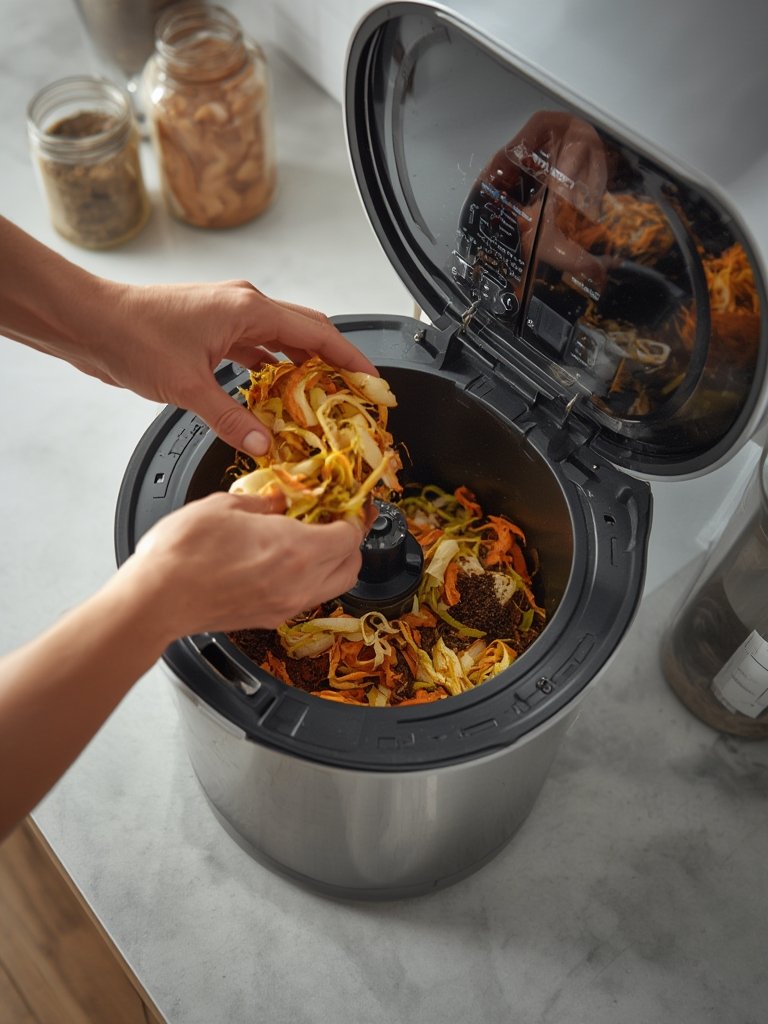
- Feed the composter correctly: Chop food waste (fruits, veggies, meat, grains, dairy) to recommended sizes. Never stuff beyond the fill line. Avoid very hard pits, bones, and non-food items—these strain the mechanism.
- Start the cycle: Close the lid, select the appropriate cycle, and activate the machine. Modern units have presets for different waste types and may offer smartphone notifications for cycle completion.
- Monitor for odor and noise: Good composters include carbon filters or deodorizing tech. Still, you may occasionally notice a “warm earth” scent or low-level motor hum. If you get foul odors or loud grinding, check for jams or dirty filters.
- Remove the finished output: Most cycles finish in 2-8 hours, producing a dry, crumbly fertilizer. Unload promptly—don’t let the drum accumulate old compost, as this can cause odor and clogging.
- Empty drip trays, wipe seals, and replace filters as specified. Inspect blades and moving parts for wear, especially after heavy use.
- Replace consumables: Be prepared to change replacement carbon filters and, after months or years, possibly purchase replacement drums or blades. Keep receipts for warranty coverage.
Interested in other home upgrades that support cleanliness or convenience? Our guides on non-toxic air fryers and kitchen warming mats offer more practical tips.
What Buyers Overlook: Advanced Analysis & Common Pitfalls
Despite the hype, electric kitchen composters aren’t “set and forget.” New and seasoned users run into several common issues—and it pays to know them before you buy.
- Durability Doubts: Most reviews and market reports (see Mordor Intelligence) focus on market size or new technology, not on long-term reliability. Expect wear on blades and plastic drums, especially with frequent use or improper loading. Many brands don’t publicize the cost or availability of replacement parts.
- Hidden & Ongoing Costs: Major expenses may include replacement carbon filters (often $20-$40 every few months), electricity use (typically low—less than running a multicooker but still several cents per cycle), and—longer-term—possible blade or drum replacements.
- Noise and Smell Surprises: While ads promise “silent” and “odorless” performance, real-world experiences vary. Expect a gentle hum and, sometimes, an earthy aroma. If you hear rattling or smell rot, perform maintenance or contact support. Unfortunately, few sources gather aggregated user complaints, making it harder to compare brands on these dimensions.
- Missed Incentives & Regulations: While the EU Green Deal and US zero-waste goals foster kitchen composter adoption, neither region currently offers dedicated consumer rebates for electric composters. Always check with your local municipality for any new pilot programs.
- Effectiveness Uncertainty: As of early 2024, there is no robust research comparing greenhouse gas reduction of electric composters against traditional backyard piles.
| Issue | Electric Composter | Traditional Composting |
|---|---|---|
| Setup Location | Countertop/Indoor | Outdoor only |
| Processing Time | 2-8 hours | Weeks to months |
| Odor Control | Usually filtered; may still notice “earthy” scent | If managed well, can be minimized outdoors; not ideal for indoors |
| Long-term Cost | Machine + electric + replacement parts/filters | Bin cost only (low ongoing expense) |
| Suitable for | Urban dwellers, renters, no yard | Homeowners with outdoor space |
If reliability and noise matter, pay special attention to warranty terms and whether brands sell replacement parts directly. Curious about other kitchen upgrades for cleaner living? Our guide to art deco furniture can help blend style and function if you’re redoing your space for modern eco living.
Conclusion
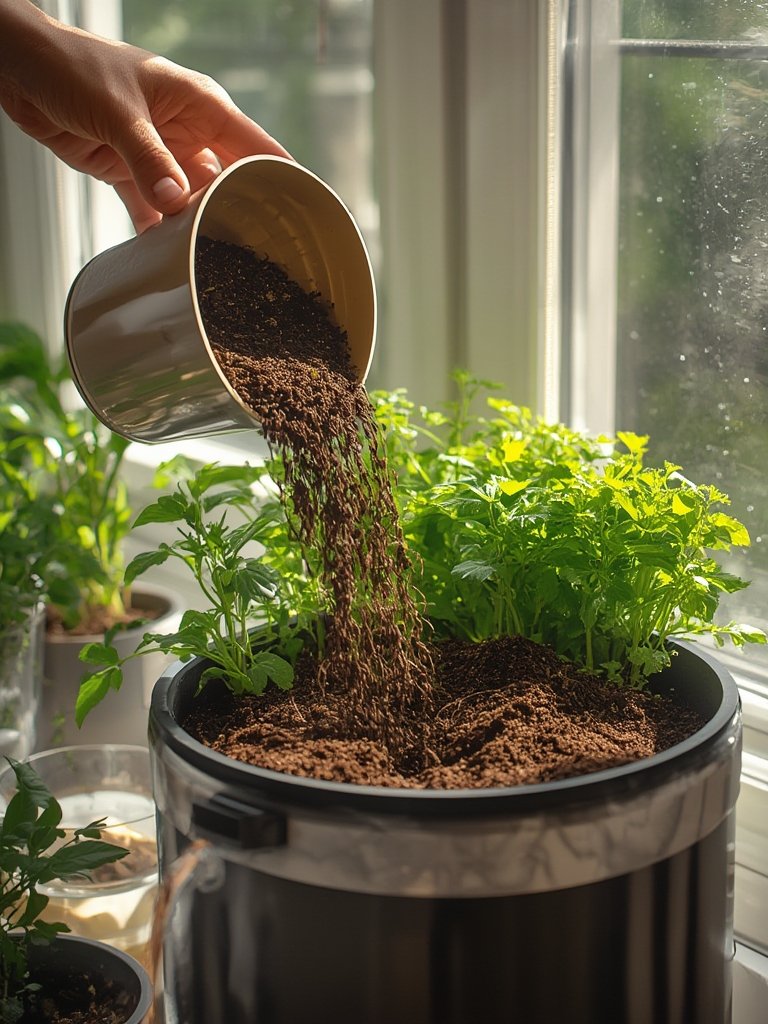
Electric kitchen composters make food waste reduction easier, faster, and more accessible than ever for modern homes. Their main appeal is convenience—rapid cycling, minimal odor, and easy, indoor access. However, do not overlook hidden expenses, long-term durability concerns, and a lack of robust user review data. Environmental impact research is still lagging behind adoption. If you want an immediate solution to food waste—and are prepared for some trial and error—an electric kitchen composter is one of the best upgrades for any eco-minded household.
Ready to reclaim your kitchen and cut down on landfill waste? Start reviewing your options, ask about warranties, and compare costs before buying your first electric kitchen composter.
FAQ
How do electric kitchen composters compare to traditional compost bins?
They are much faster (processing in hours, not weeks or months), are fully enclosed, and can be used indoors without pests. However, they require frequent cleaning, have recurring filter costs, and the finished product is more of a soil amendment than true humus-rich compost.
Are electric composters noisy or smelly?
Most units emit a soft motor noise, like a microwave or dishwasher. Some smell is possible, especially if filters are old or if you exceed recommended capacity. For best odor control, never overload or skip maintenance.
What’s the typical lifespan and what replacement parts are needed?
Most models last 2-5 years with frequent use. Expect to replace carbon filters regularly and potentially the blades or drum after heavy long-term use. Not all brands offer easy access to replacement parts—ask before you buy.
Will my utility bill go up?
Most electric kitchen composters use the same amount of power as a multicooker or small microwave. That’s a few cents per cycle, but it adds up with frequent use. The main ongoing costs, however, are filters and possible part replacements.
Are there government incentives for buying an electric kitchen composter?
While city and state governments are encouraging composting, there are currently no major rebates or incentives specific to electric units for residential buyers in the US or EU as of 2024. Always check for pilot programs or local grant opportunities before making a purchase.
As an Amazon Associate, I earn from qualifying purchases. If you buy through links on this page, I may receive a small commission at no extra cost to you. This helps support the site and lets me keep creating helpful, free content.