

Kitchen cabinet organization is one of the simplest ways to boost not just the appearance but the everyday efficiency of your kitchen—yet most homes struggle to keep cabinets tidy, accessible, and clutter-free.
Key Takeaways
- Kitchen cabinet organizers are a fast-growing, high-demand market thanks to space constraints, remodeling, and new home builds worldwide.
- Most users face challenges with clutter, awkward items, and ineffective product choices—but actionable systems can solve these headaches.
- DIY methods and modular organizers offer long-term value, but understanding the key pitfalls is crucial to keep your kitchen functional, not just prettier.
- The Core Concept: Why Kitchen Cabinet Organization Isn’t Just About Looks
- Step-by-Step Guide: How to Organize Kitchen Cabinets for Maximum Impact
- Advanced Analysis & Common Pitfalls in Kitchen Cabinet Organization
- Conclusion
- FAQ
The Core Concept: Why Kitchen Cabinet Organization Isn’t Just About Looks
Kitchen cabinet organization is more than matching bins and color-coded labels. It is a system that leverages storage innovations, DIY upgrades, and product selection to reduce daily friction, increase space, and avoid waste. In 2024, cabinet organization became a massive industry, with people spending billions as homes shrink and the need for functional, multipurpose spaces rises. Modular drawers, ready-to-assemble kits, and smart pull-out organizers headline global trends—but a truly organized kitchen starts with good habits, not just gadgets.
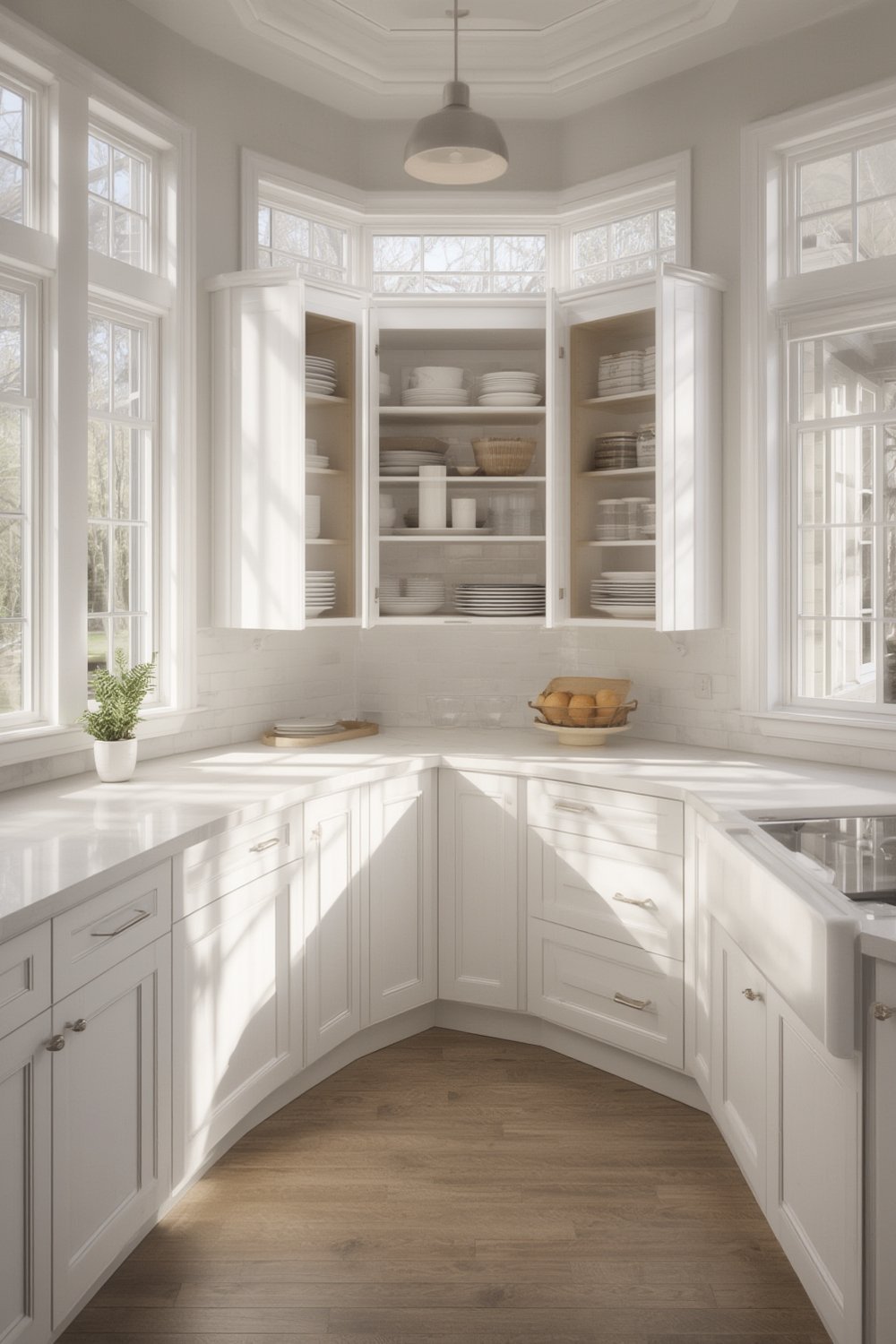
According to recent research, the kitchen storage and pantry organization market is projected to grow from USD 131.43 billion in 2023 to over 182.08 billion by 2030, with cabinet organizers at the forefront due to promising innovations and urban living trends. Meanwhile, North America alone contributed over 40 percent in global revenue for kitchen cabinetry in 2024, led by rising disposable income, home repairs, and the popularity of streamlined kitchen designs (source).
Effective organization doesn’t mean overspending on the latest containers—it’s about finding solutions that match your cooking style, storage needs, and cabinet structure. Let’s break it down into practical steps.
Step-by-Step Guide: How to Organize Kitchen Cabinets for Maximum Impact
- Audit and Declutter
Start by emptying your cabinets entirely. Group similar items together—dishes, cookware, food, utensils. Discard expired, broken, or rarely used products. The less you keep, the more space you free up.
- Measure and Categorize
Measure every cabinet. Knowing exact depths and widths is crucial before buying organizers. Assign each cabinet a clear purpose (e.g., plates and bowls, food storage, cookware, baking supplies).
- Select the Right Organizers
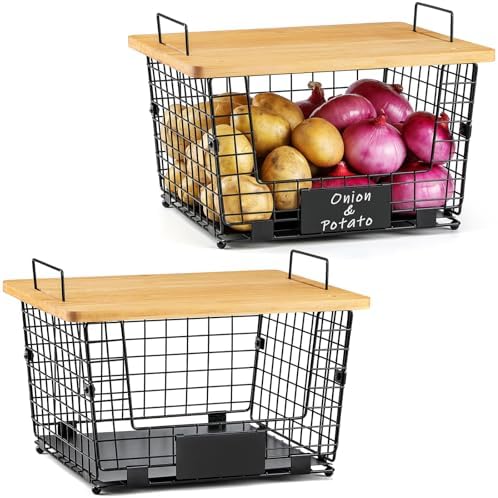
Choose organizers that fit—not just physically, but functionally. Consider adjustable shelves, pull-out baskets, lazy Susans, and undershelf racks. Avoid buying too many single-purpose items you won’t use long-term.
- Maximize Vertical and Deep Space
Install stacking shelves, risers, or shelf inserts to take advantage of unused vertical space. For deep cabinets, opt for sliding baskets or modular pull-outs so nothing gets lost in the back. If your cabinets are underutilized, focus on stacking or creating zones.

- Store Like with Like
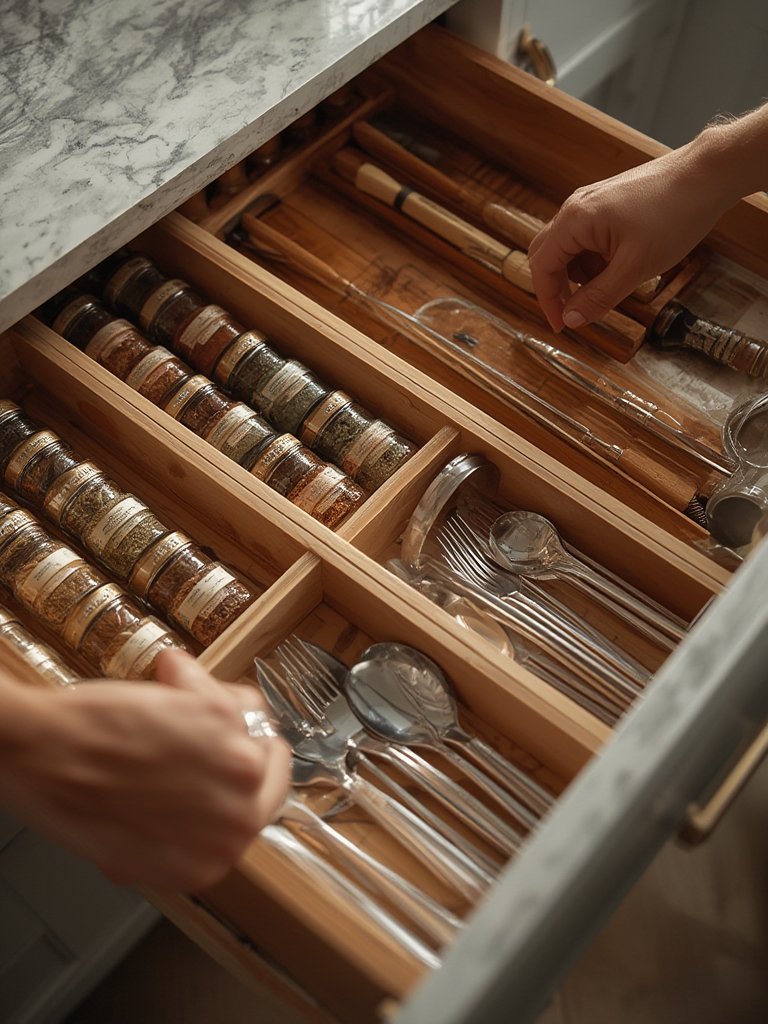
Put all prep tools in one drawer or basket, all baking supplies in one cabinet, and all Tupperware together with lids nested. This cuts down on search time and makes cleaning up easier for everyone.
- Label for Function, Not Perfection
Label shelves or bins only as needed—especially helpful if you have kids, roommates, or frequent guests. Avoid over-labeling; a simple system is best for daily upkeep.
- Maintain Consistently
Set a monthly reminder to re-sort, purge, or relocate items that drift out of place. Organization only works if maintained, so quick tune-ups keep clutter from returning.
Ready to take your kitchen to the next level? Try pairing these cabinet strategies with kitchen organization and air quality upgrades for a truly clean, functional space. If you’re already upgrading appliances, explore non-toxic air fryer picks for a healthier kitchen as well.
Advanced Analysis & Common Pitfalls in Kitchen Cabinet Organization
No solution is one-size-fits-all. While the industry is booming, user frustrations remain stubbornly persistent. Common complaints—based on synthesis of recent studies and market trends—include wasted money on mismatched organizers, awkward cabinets (deep, narrow, or corner spaces), and products that don’t hold up to daily wear. Lack of clear user feedback in research data highlights a big gap in the industry: not enough solutions address real-life pain points, such as:
- Clutter returns quickly—especially if organizers are too specialized or hard to clean.
- Cheap plastic accessories warp or break, forcing repeated purchases.
- Deep or blind corner cabinets remain underused due to lack of versatile pull-out systems.
- Bulky pans, cutting boards, and odd-shaped appliances are hard to fit, even with expensive organizers.
Here is a quick comparison of common solutions and their real-world tradeoffs:
| Solution | Pros | Cons | Best For |
|---|---|---|---|
| Pull-out organizers | Easy access, maximizes deep cabinets, quick to install | Can be expensive, may not fit all cabinet sizes, moving parts can wear out | Deep or corner cabinets |
| Risers/Shelf Inserts | Inexpensive, increases shelf space, flexible | Stability can be an issue, may not hold very heavy items | Dishes, mugs, canned goods |
| Lazy Susans | Great for corners, rotates for access | Limited by round shape, space loss in corners | Spices, condiments |
| DIY (tension rods, baskets) | Low cost, fully customizable | Variable durability, time investment | Odd-shaped items, renters |
| Ready-to-Assemble (RTA) cabinets | Adaptable for remodeling, cost-effective for new builds | No built-in organizers (must add separate), may require tools and skills | Full kitchen remodels |
Online reviews rarely provide long-term durability info, but the latest research confirms that RTA cabinets provide good value for budget-conscious DIYers, while modular or adjustable organizers reduce buyer’s remorse over product fit. For renters or anyone on a tight budget, tension rods, bins, and repurposed boxes remain popular for a reason—easy, versatile, and low risk.
Want more home upgrade inspiration? Compare kitchen essentials for 2026 for additional storage and space savers, or see our practical kitchen gift picks for clever budget buys.
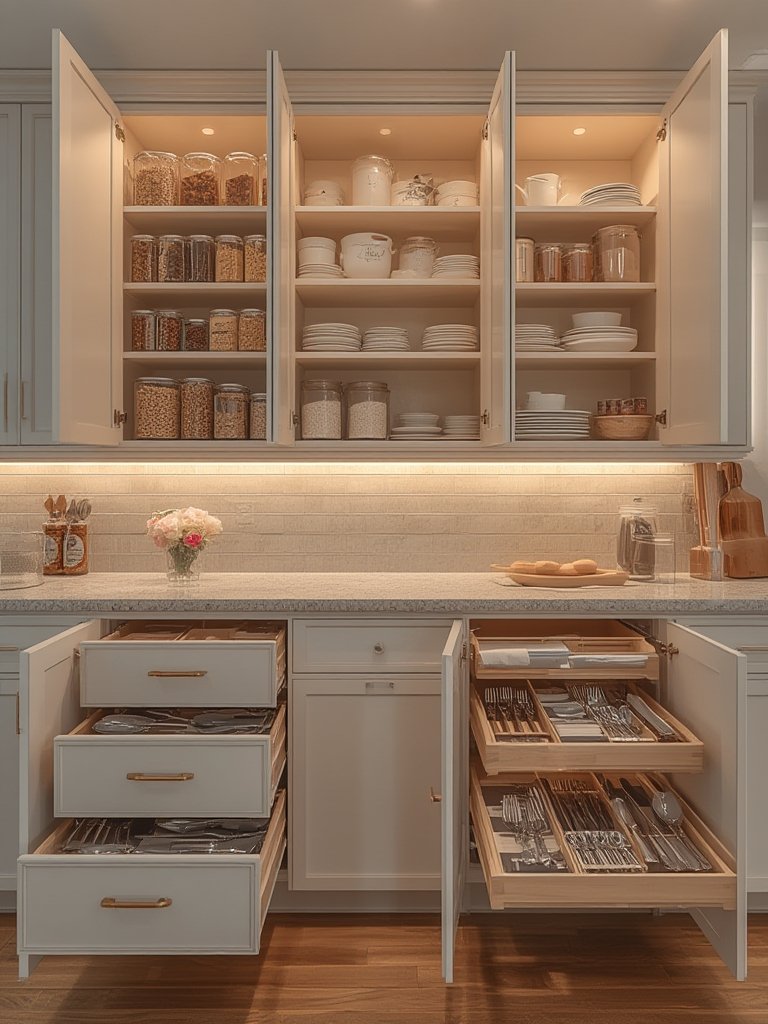
Conclusion
The future of kitchen cabinet organization is flexible, realistic, and driven by actual needs, not trends. Forget the illusion of a “perfect” kitchen—you want systems that work for your lifestyle, your budget, and your space. Start small, measure well, upgrade intentionally, and commit to maintenance. For more practical ideas, explore our Lowe’s home improvement store tips to DIY smarter and save more.
Ready to upgrade your space? Revisit your kitchen cabinet organization this week and see how a few smart changes can transform daily life—no renovation required. Start today and enjoy a calmer, more efficient kitchen by tonight.
FAQ
What’s the best way to organize deep kitchen cabinets?
Use pull-out baskets or trays so you can easily access items in the back. Custom-fit sliding organizers or deep bins work especially well for pots, pans, and pantry goods.
Are there truly cost-effective DIY solutions for kitchen cabinet organization?
Yes! Use tension rods for storing bakeware upright, repurpose shoe boxes or cereal boxes as drawer dividers, and try stacking shelves from a dollar store to add quick vertical space—no tools needed.
How often should I reorganize my kitchen cabinets?
Plan for a quick re-sort every month. Most people find that clutter creeps back in if they skip maintenance. Pair with a deep clean each season for best results.
What should I avoid when buying kitchen cabinet organizers?
Avoid one-size-fits-all products that don’t suit your cabinet shape, low-quality plastics that break quickly, or organizers that are hard to clean. Always measure cabinets before buying and prioritize adjustability.
Where can I find more practical home organization ideas?
Explore our guide on organizing and upgrading your kitchen for smart, realistic strategies that work in 2026 and beyond.