



Boneless Couch furniture is making waves among urban dwellers and design minimalists looking for stylish, modular seating that’s affordable and adapts to small spaces. If you’re considering a boneless couch for your home, this guide covers what actually matters—functionality, durability, real-world drawbacks, and how to get the most out of this innovative design.
Key Takeaways
- Boneless couches offer frameless, modular design at roughly half the price of traditional sofas, making them ideal for small spaces and budget buyers.
- Durability—specifically foam longevity—remains the leading concern; comfort gets high ratings, but longevity is less certain for heavy use.
- Care, sizing accuracy, and realistic expectations are crucial for a positive boneless couch experience—see step-by-step tips below for best results.
- What Is a Boneless Couch & Who Should Consider One?
- How to Choose & Set Up a Boneless Couch: Step-by-Step
- Advanced Analysis & Common Pitfalls
- Conclusion: Should You Buy a Boneless Couch?
- Boneless Couch FAQ
What Is a Boneless Couch & Who Should Consider One?
A boneless couch is a modular sofa system that ditches the traditional wooden frame in favor of adaptable foam or cushion-based sections you can rearrange. These couches fit perfectly into minimalist aesthetics, providing flexibility to reconfigure seating layouts for tight apartments or remote work environments.

Unlike classic sofas, boneless couches focus on lightweight mobility and easy customization. This makes them a smart pick for:
- Small space dwellers, studio apartments, or shared households
- Young adults and families looking for budget-friendly, adaptable furniture
- Remote workers needing flexible setups to alternate between lounging and productivity
The average boneless couch costs about $650—about half the price of traditional sofas. High marks for comfort and versatility have fueled their rapid 15% yearly growth rate, even though market search volume is still building. Interest trends suggest strong continued demand thanks to affordable pricing and the appeal of minimalist design.
Looking to create a glam 1920s living room instead? See our guide on Art Deco furniture and style.
How to Choose & Set Up a Boneless Couch: Step-by-Step
- Measure Your Space Accurately
Always check floor dimensions and available space before you shop. Boneless couches usually work best in living rooms and small studios, but sizing can be tricky. Sketch your room and map out all entryways and walk paths. - Evaluate Modular Options
Since these couches are modular, check if the sections can detach or connect to form chaise or L-shape setups. About 30% of buyers actively reconfigure their couches over time, so pick a style that matches your flexibility needs. - Check Material & Foam Density
Quality foam matters for comfort and longevity. Look for denser cushions to reduce compression (a common complaint cited by 25% of TikTok reviewers). Ask about warranties and user reviews with a focus on real-life durability. - Review Return, Delivery, or Assembly Policies
Some suppliers offer speedy delivery and free assembly, while others don’t. Check what’s included and whether the couch ships in easy-to-carry boxes. - Setup: Unpack and Test Configurations
Place sections in different layouts to find the best fit for your lifestyle, especially if you might need to convert it from a lounge area to guest sleeping space. - Maintain & Care Regularly
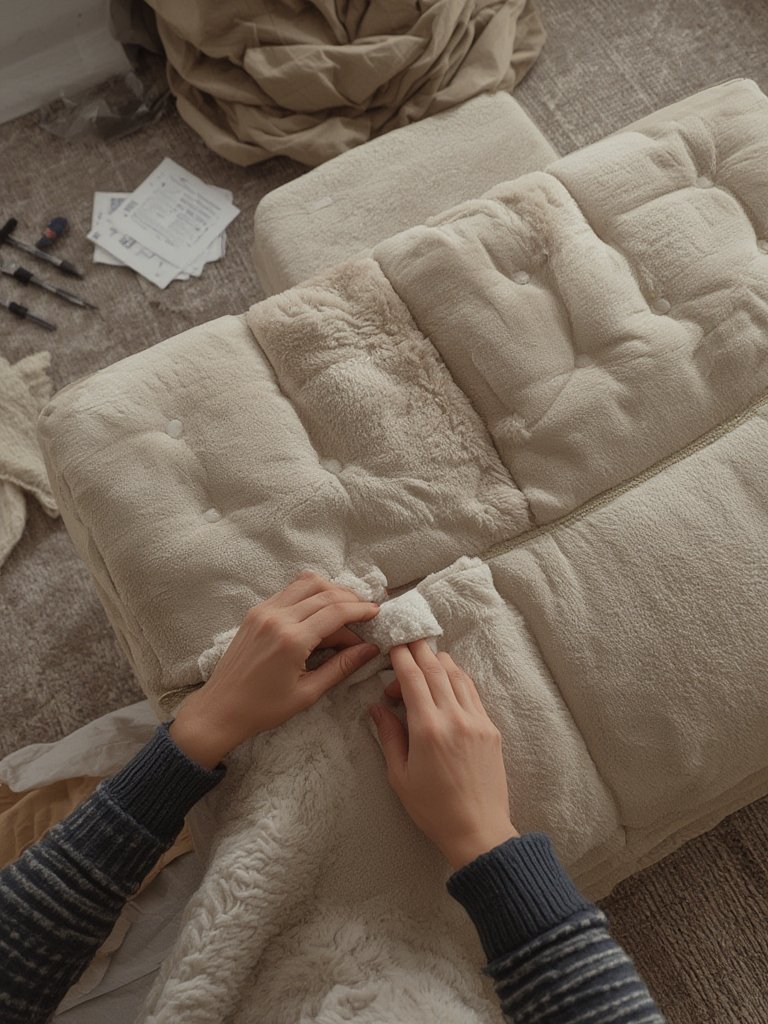
To extend foam life, rotate or rearrange sections periodically. Spot clean regularly, and use slipcovers or stain protection sprays if you anticipate spills.
If you’re upgrading more than just your sofa, check out tips for an organized kitchen and smart home storage.
Advanced Analysis & Common Pitfalls
Real-world user feedback for boneless couches is mixed but reveals clear trends. While comfort wins broad approval (about 75% positive ratings), some well-documented drawbacks show up repeatedly:
- Foam compression with daily use (primary long-term issue)
- Limited structure can make it less suitable for anyone who needs firm back support
- Section drift (modules can slide apart on slick floors)
- Potential sizing mismatches—be precise with measurements before you buy
- Shipping and setup may not include in-home assembly—verify at purchase
Here’s how boneless couches compare on key points:
| Feature | Boneless Couch | Traditional Sofa |
|---|---|---|
| Frame | Frameless, foam-based | Wood/metal frame |
| Average Price | $650 | $1,200 |
| Comfort | Soft, modular, flexible | Structured, firm |
| Durability | Foam compression is common (25% complaints) | Stable but heavier, prone to frame damage |
| Ideal Use | Small spaces, urban homes, reconfigurations | Large living rooms, permanent layouts |
| Shipping & Assembly | Lightweight, usually boxed Verify assembly | Heavy, may require movers |
According to market reports, durability is the number one concern—especially foam compression after regular use. Stain resistance does not seem to be a routine complaint, but be mindful of food, pets, and spilled drinks. For longevity, rotate sections regularly and use removable covers.
Negative feedback also surfaces around price skepticism (10%), modular fitting issues (15%), and minor comfort complaints (5%)—so be aware not all buyer experiences are perfect. For more on furniture trends and how to avoid common comfort traps, check our detailed bed frame guide or learn about modern Neo Deco styling.

Conclusion: Should You Buy a Boneless Couch?
Boneless couches are an affordable, comfortable, and incredibly flexible choice for city apartments, small homes, or anyone who wants a budget-friendly way to refresh their living room. If you understand the potential pitfalls—most notably foam durability—and take extra care with measurement and layout, a Boneless Couch will serve you well for everyday use.
Ready to make the switch? Check out stores, read user reviews, and compare return policies before purchasing. For complete home upgrades, explore our key guides on non-toxic air fryers or find the perfect interactive cat toy for your living space.
Boneless Couch FAQ
Are boneless couches good for everyday use?
Yes, boneless couches are designed for everyday lounging and modular rearrangement. However, daily heavy use may speed up foam compression. Rotate sections and consider denser foam models for better longevity.
Do boneless couches require special care or cleaning?
Spot cleaning and regular cover washing are recommended. If you have kids or pets, slipcovers and stain protection sprays will make cleaning easier and help extend couch lifespan.
What is the main downside of a boneless couch?
The biggest drawback is possible foam compression and loss of shape over time, especially with frequent use. Some users also report modules drifting apart on hardwood or tile floors.
How is a boneless couch different from a traditional sofa-in-a-box?
Boneless couches have no internal frame; the entire structure is flexible and modular. Sofas-in-a-box often use traditional frames, but in compact shipping formats. Boneless designs are lighter, easier to move, and more customizable for compact spaces.
Can I use a boneless couch as a bed?
Yes—you can rearrange most boneless couches to create a flat sleeping surface for occasional guests. Use extra foam toppers for more comfort if using for overnight stays regularly.