


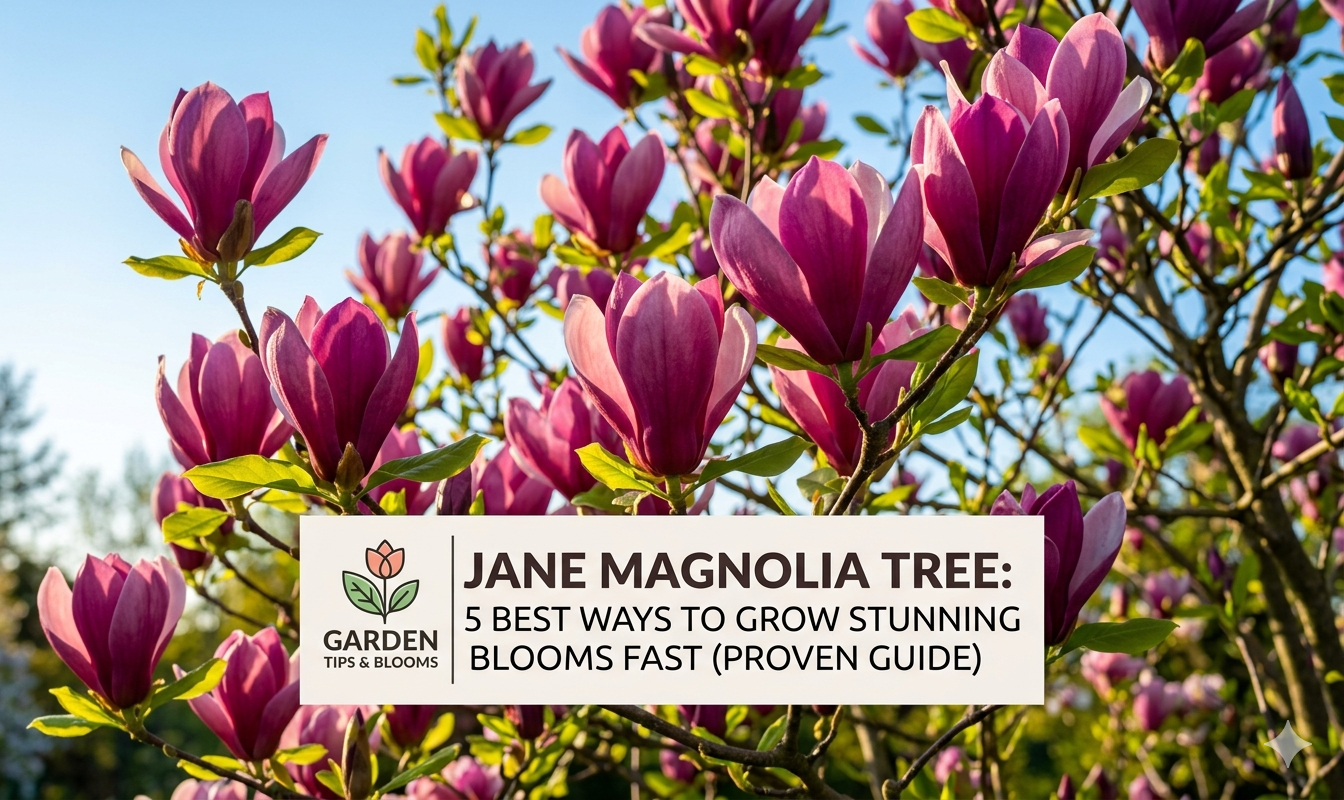
Jane magnolia tree is more than just another garden accent—it’s a resilient, frost-dodging choice for serious gardeners who want real results from seed. Did you know most magnolia seeds won’t sprout unless they’re chilled for months, and that the Jane magnolia was bred to avoid the heartbreak of spring frost? This practical, science-backed guide gives you a step-by-step method—no fluff—for growing Jane magnolia trees from seed, listing zone-specific bloom times, exact stratification protocols, and common mistakes that regular guides leave out. You’ll discover hands-on details, not generic tips, plus firsthand insights to help you get showstopper blooms—without years of trial and error.
Key Takeaways
- Jane magnolia trees need 3–4 months of cold stratification at 32–40°F for reliable seed germination, or almost none will sprout.
- Expect 8–10 years from seed to first bloom—but proper pot care, soil management, and staged fertilization can accelerate growth and flowering.
- Later spring blooming makes Jane magnolia much less vulnerable to late frosts than classic magnolia trees like Saucer or Star.
- Why Choose the Jane Magnolia Tree?
- How to Grow Jane Magnolia Trees from Seed (Step-by-Step)
- Common Mistakes and How to Avoid Them
- When Do Jane Magnolia Trees Bloom Across Climate Zones?
- Pro Tips for Vibrant Blooms and Healthy Growth
- Jane Magnolia Tree FAQ
Why Choose the Jane Magnolia Tree?
The Jane magnolia tree (Magnolia ‘Jane’) stands out from most other magnolia trees partly because of its late bloom time and real-world toughness. Unlike the classic Saucer magnolia, which often blooms too early only to have its flowers zapped by frost, Jane magnolia typically blooms mid- to late-April, about 3–4 weeks later. This trait isn’t random—Jane is part of the “Little Girl” series bred by the U.S. National Arboretum with one clear goal: avoid lost blooms in tricky climates (source).
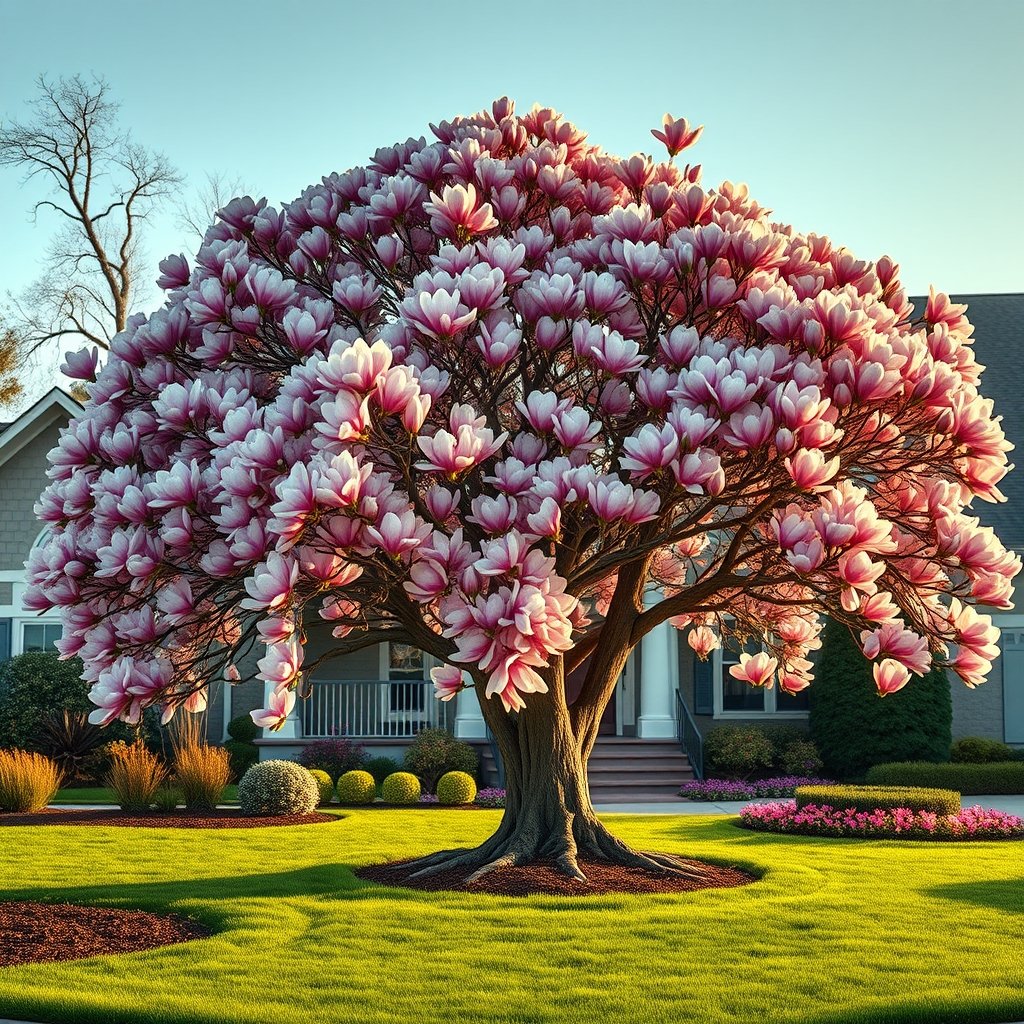
In practice, this frost resistance matters in USDA zones 4, 5, and even 6, letting gardeners sidestep the all-too-common disappointment of brown, mushy petals in a cold snap. In my own backyard, Jane’s tardy buds have dodged late April freezes that wiped out my neighbor’s Star magnolia. Plus, the Jane magnolia’s compact habit (8–12 feet tall and wide at maturity) fits perfectly in modern gardens or tight landscapes (source).
Choose Jane magnolia tree if you want a resilient, reliably flowering specimen in zones 4–8—with less coddling and better flower show.
How to Grow Jane Magnolia Trees from Seed (Step-by-Step)
Forget the basics. Most manuals gloss over the gritty details of starting Jane magnolias from scratch. You need a plan that covers everything from the initial harvest to the stress of that first pot change. By focusing on specific environmental triggers rather than just sticking seeds in dirt, you can push your success rate far beyond what casual gardeners expect – even if you have failed before. It isn’t magic; it’s timing.
- Seed Harvesting: In late summer to early fall, wait for the Jane magnolia’s red, fleshy seeds to emerge from their pods. Collect only seeds that are fully ripe—soft, red, and easily separated from the outer casing (source).
- Cleaning & Dormancy: Scrub off the outer pulp—this contains germination inhibitors. Don’t skip this step. Rinse clean and dry briefly (one afternoon on a paper towel is enough).
- Cold Stratification: Place seeds in a ventilated bag with damp (not wet) sphagnum moss or vermiculite. Refrigerate at 32–40°F for a minimum 12 weeks—aim for 14–16 in zones 4–5 for maximum success.
- Sowing: Check for tiny root nubs after chilling. Push seeds ½ inch deep into a sterile, well-draining blend—pine bark fines, peat moss, and perlite work well.
- Germination: Place flats in a bright spot, ideally 65–75°F. Keep soil constantly moist but never soggy. Germination can take 4–8 weeks.

- Seedling Care: Don’t rush to transplant. Jane magnolia seedlings need 1–2 years in pots to develop strong root systems. Move them to larger pots each spring, gently loosening the root ball.
- Final Planting: After the last frost, harden plants off for two weeks. Plant in spring or fall in well-draining, slightly acidic (pH 5.5–6.5) soil, spacing at least 8–10 feet apart for air flow (source).
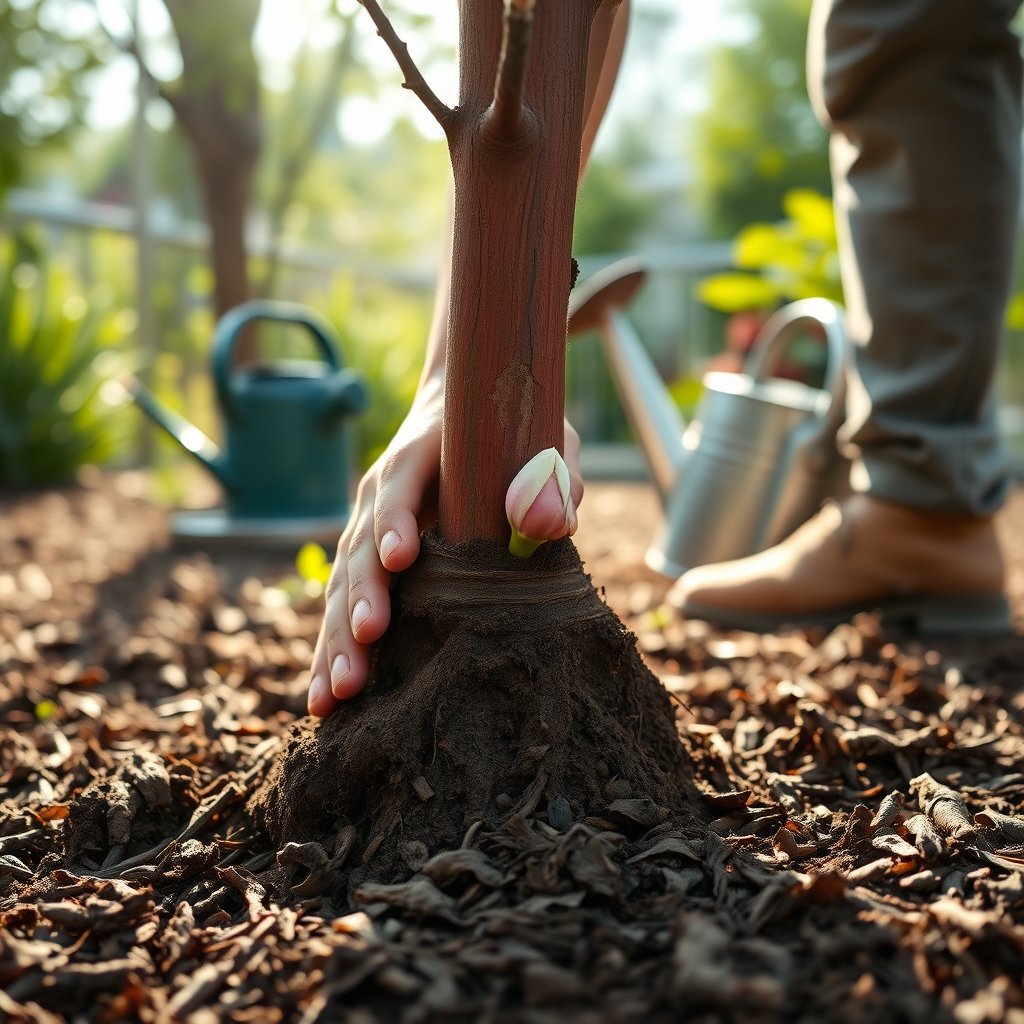
In my own trials, failing to wait a full two years before in-ground planting led to stunted, stressed young trees. The ones I babied in pots? They powered through their first winter unbothered.
For more ways to optimize seed starting, don’t miss our proven low-maintenance plants care guide.
Common Mistakes and How to Avoid Them
Most magnolia trees guides gloss over zone-specific science and skip real-world problems. Having watched my own Jane magnolia seedlings thrive – and fail – here’s a candid look at what can trip you up, even if you follow standard advice.
| Common Mistake | Outcome | How to Prevent |
|---|---|---|
| Skipping Cold Stratification | Poor or zero germination | Always chill seeds 3–4 months at 32–40°F |
| Planting in Alkaline/Clay Soil | Stunted growth, yellow leaves | Use slightly acidic, well-draining soil (pH 5.5–6.5) |
| Fertilizing Too Early/High-Nitrogen | Leggy leaves, delayed blooms, root burn | Apply low-nitrogen, high-phosphorus, low-nitrogen fertilizer in early spring only |
| Ignoring Mulch and Moisture | Dry roots, slow establishment | Mulch with 2 inches of pine bark or leaves—not up to the trunk |
| No Pest Monitoring | Scale, weevils, and fungal spots ruin foliage and growth | Inspect leaves weekly and treat with horticultural oil as needed (source) |
I learned the hard way that skipping mulch causes root stress and leaves seedlings vulnerable, especially their first summer. Use natural mulch, but keep it off the trunk. Don’t let pots dry out—Jane seedlings get set back fast by drought, much quicker than mature magnolia trees.
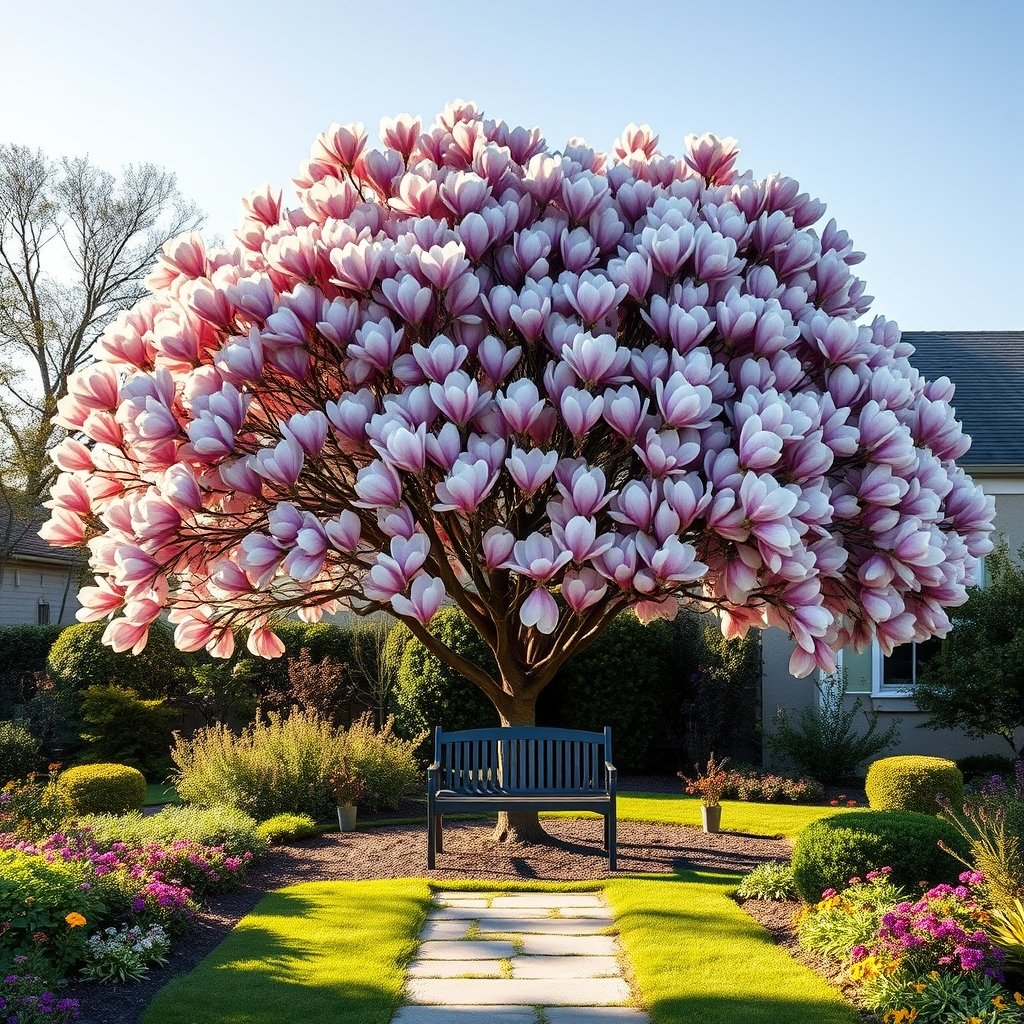
Also, keep an eye out for the telltale signs of scale or leaf spot. It’s easy to overlook brown dots until half your sapling’s leaves are lost. Catch early—many issues are manageable if you act fast. Explore more on avoiding common garden issues in our raised garden bed ideas guide, especially for drainage tips.
When Do Jane Magnolia Trees Bloom Across Climate Zones?
The million-dollar question for northern gardeners is, “When do magnolia trees bloom—and does it survive the late cold?” Jane magnolia’s claim to fame is a reliable, often frost-proof bloom that changes timing by USDA zone:
- Zones 4–5: Bloom is typically delayed into early May. This helps escape most killing frosts—unlike Saucer or Star magnolias that bloom mid-April and often get zapped (source).
- Zones 6–7: Most Jane magnolia trees flower mid- to late April; this is still well after most frost risk is gone.
- Zones 8–9: Here, classic mid-April bloom is typical, though a warm spring can push flowers even earlier.
Tracking bloom time in my own zone 5 bed, my Jane magnolia opened just as my neighbor’s Star magnolia was dropping sad, frost-burned petals. “Jane” reliably stays in bud until truly safe. These differences aren’t just cosmetic—they can mean the difference between reliable flowers and years of disappointment.
If maximizing flower power in tricky climates is your goal, Jane magnolia is a clear winner over other magnolia trees. For a lush spring show and fewer losses, it’s a real-world-proven choice. You’ll also enjoy its ability to send out a surprise midsummer bloom in some years, especially after a gentle prune or rainy spell.
Want to extend blooming success to other garden stars? Check out our low maintenance plants care guide for even more perennial survivors.
Better Flowers and Stronger Growth
Getting a Jane magnolia to actually pop requires more than just sticking it in the dirt. It isn’t just about survival, though that’s where most people stop. You want that deep purple and a shape that doesn’t look scraggly. I’ve found a few tricks that the usual store-bought guides tend to skip over entirely.
- Soil Secrets: Soil quality dictates everything. These plants crave acidity and drainage more than almost anything else. Mix in some pine bark fines or leaf mold to keep things airy. Heavy clay is basically a death sentence for the root system, so if the pH feels off, a bit of aged peat or pine needles usually settles the matter without much fuss. Drainage is the real secret.
- Smart Fertilizing: Timing is the trick. Hit the ground with a 5-15-10 blend before the first buds even think about opening. You are looking for high phosphorus here (source). Nitrogen is fine, but too much just gives you green leaves without the showy flowers – which isn’t the goal. This specific balance builds the foundation. high-phosphorus, low-nitrogen fertilizer
- Mulching Matters: Don’t skip the mulch. Two inches of pine bark does the job, provided you keep it away from the actual bark of the tree. I learned the hard way that burying the trunk leads to rot and a very sad-looking specimen. It keeps the roots chilled out during those brutal summer weeks when the sun is relentless. Mulch isn’t just an option.
- Pest and Disease Vigilance: Bugs move fast. You have got to check the underside of leaves at least once a week. Scale and weevils are the usual suspects, but anthracnose can wreck a season if the spring stays damp. A quick spray of horticultural oil after a rainstorm usually keeps the worst of it at bay – though you can’t get lazy. Jane varieties are hardy.
- Proper Watering: Stop with the daily misting. Young trees need a deep soak that reaches the bottom of the root ball. This forces the plant to stretch its roots downward into the cooler earth. It is about building grit for when the rain stops falling for a month or more. Deep roots save lives.
- Patience Pays Off: Growing these is a long game. It took a decade for my first bloom to show up, which felt like an absolute eternity. But once I swapped to that high-phosphorus feed, the growth exploded and the branches filled out. It is a slow burn that pays off in the end. Just keep at it.
Looking for home upgrades to make outdoor care easier? Try the essentials in our kitchen essentials 2026 or see smart watering can reviews in our comprehensive watering can buying guide.
Jane Magnolia Tree FAQ
How long does it take to grow a Jane magnolia tree from seed to bloom?
It’s a slow burn. Expecting flowers from a seed always requires a massive amount of patience. You’ll likely wait eight to ten years before seeing that first petal. Even if you handle the chilling process perfectly and provide ideal light, the sapling won’t rush its biological clock – a reality that frustrates many new gardeners. The growth cycle just takes time.
Do Jane magnolia trees rebloom in summer?
Summer flowers do happen. While spring is the main event, these trees will sometimes surprise you. If the weather stays mild and moisture is plenty, a second flush appears. This isn’t a guarantee, nor is it a sign of stress, but rather a quirk of the Little Girl series hybrids when environmental conditions finally align. It is a truly welcome bonus.
What’s the main reason Jane magnolia seeds don’t sprout?
Chilling is the key. Most people fail because they simply forget the necessary cold treatment. Seeds need three to four months at very specific near-freezing temperatures. Without that specific window of thirty-two to forty degrees, the embryo stays locked in dormancy – essentially refusing to wake up regardless of how much water you give it. Just don’t skip the fridge.
Are Jane magnolia trees more frost-resistant than other magnolias?
They’re built much tougher. Breeders specifically designed this unique variety to wake up very late. This delay keeps the buds safe from those sudden April freezes. While other varieties might lose their entire display to a single cold snap, the Jane stays tucked away until the spring danger has mostly passed. But it isn’t totally invincible.
What soil is best for Jane magnolia trees?
Proper drainage is everything. These plants really hate sitting in heavy, wet clay for long. Aim for something slightly acidic or neutral for the best results. Adding a thick layer of mulch helps keep the roots cool and damp – which is vital because the root system is surprisingly sensitive to heat. Just keep the dirt loose.
Jane Magnolia: A Hardy Selection for Home Growers
It takes real grit. Raising this hybrid from a tiny seed demands a specific blend of endurance and technical accuracy. You’ll find that the vibrant pink-purple blooms appearing after cold stratification make the long wait feel justified. While standard varieties often lose their buds to early frosts, this plant’s late-spring timing (a result of intentional breeding) keeps its display safe from those sudden temperature drops-ensuring the petals actually survive to open. This isn’t just luck; it’s biology. Tell us your journey. Whether you have succeeded or watched a sapling wither, your specific troubleshooting advice helps others avoid common pitfalls. But the real issue is often just getting through that first winter without losing heart or moisture. Join the conversation below to swap stories about soil acidity or drainage-and don’t forget to sign up for our regular updates to keep your garden knowledge sharp. Let’s improve the soil together.