


String of hearts isn’t just beautiful—it’s notoriously tricky, especially when you dive into expert-level string of hearts care for variegated types. Have you noticed yours getting leggy, losing color, or battling pests? You’re not alone. Over 50% of owners report growth struggles—and even experienced gardeners can miss the nuanced needs of this plant. This is the guide I wish I’d had: no fluff, just evidence-based tips for problem-free, show-stopping vining success, straight from my hands-on experience growing both standard and variegated string of hearts plants.
Key Takeaways
- Brightness matters most. Keeping those pink and cream hues requires intense exposure and a specific feeding schedule. This isn’t simply a matter of survival, nor purely a watering issue, because if you skimp on the sun or forget the nutrients, the plant regresses to a boring green state – which isn’t exactly what you paid for. It won’t just bounce back.
- Watch the soil depth. Most owners kill these succulents by drowning them or letting the roots turn to dust. You’ve got to stick a finger in the dirt to ensure the top inch is bone dry before you even think about grabbing the watering can – otherwise, you’re looking at pulpy stems. Rot happens faster than growth.
- Bugs move in fast. Mealybugs and thrips can turn a healthy vine into a tacky residue within days. But the actual issue comes from ignoring the underside of the leaves where mites hide; a weekly check-up is your only true defense against absolute ruin. Hit them early with spray.
- Introduction to String of Hearts Plants
- Step-by-Step String of Hearts Care & Troubleshooting
- Advanced Analysis & Common Pitfalls
- Summary & Next Steps
- FAQs
Introduction to String of Hearts Plants
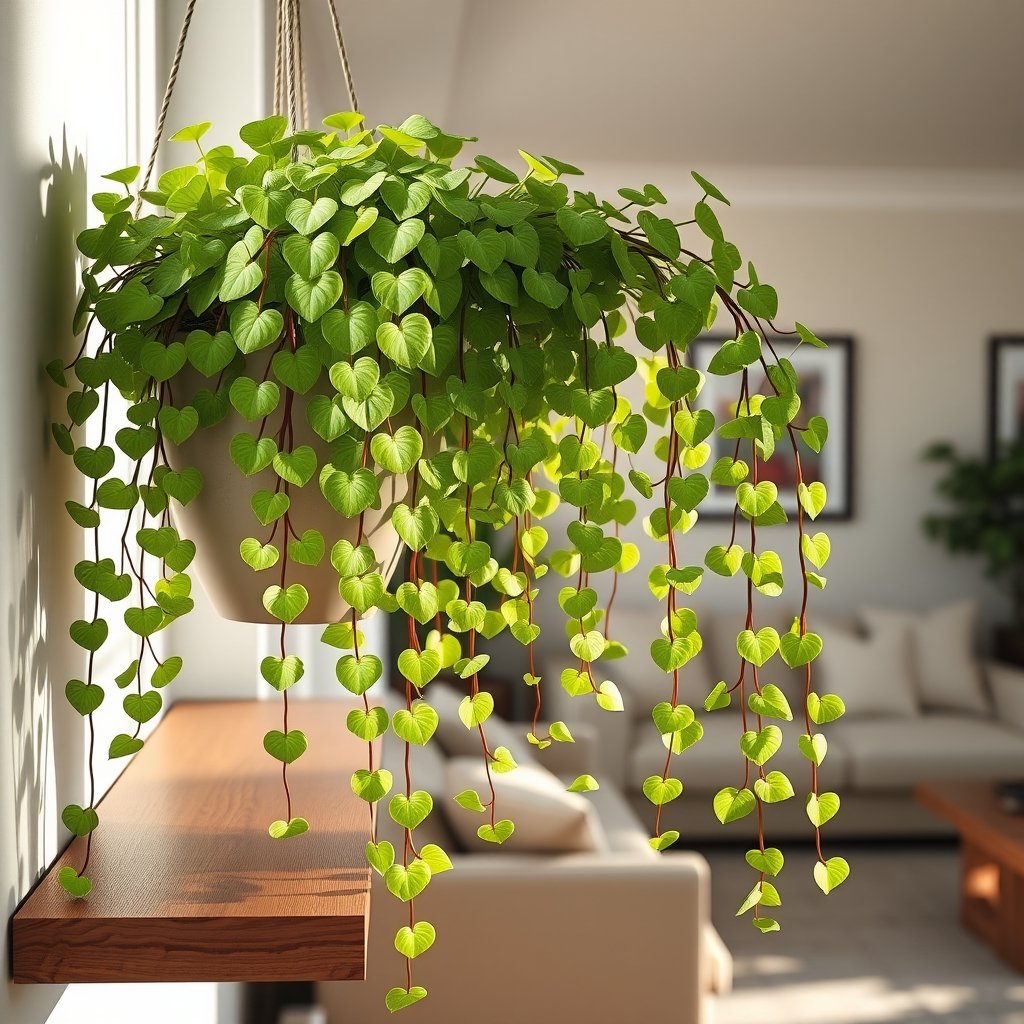
The string of hearts plant (Ceropegia woodii) is a trailing succulent with small, heart-shaped leaves, perfect for shelves, windows, or hanging baskets. What sets this species apart is its striking visual impact and varieties—especially the coveted variegated string of hearts, which features white, silver, or pink edges ringing each leaf. This plant is prized for its easy propagation and rapid trailing effect—but getting that “Instagram look” with full, colorful strands isn’t guaranteed.
Standard types are reliable but need careful attention to avoid vines that get leggy or thin. Variegated string of hearts raise the bar: these have a higher risk of losing their unique color if grown with average houseplant care. Data shows “The string of hearts (Ceropegia woodii) is prized for its trailing heart-shaped leaves and variegated types with striking white-cream margins.” I’ve personally lost variegation before, only for it to pop back after a pot move to more sun—worth every effort.
Step-by-Step String of Hearts Care & Troubleshooting
Let’s cut through the noise—here’s a step-by-step system I use with measurable results for both standard and variegated string of hearts care.
- Choose the Right Light: Bright, indirect light is essential. For variegated string of hearts, add 2-4 hours of gentle direct sun (east or south window, filtered with sheer curtains to avoid scorch). Lower light leads to loss of color and stretchy, bare vines—mine went from vibrant to washed out in weeks by a north window.
- Mix a Succulent-Grade Soil: Grab some orchid bark. Combine two parts standard potting soil with one part coarse perlite or gritty sand. This specific combination stops roots from sitting in stagnant water which kills these vines. While some growers stick to heavy peat, I found that switching to this grittier medium reduced rot issues and helped the plant bounce back faster if I accidentally overwatered – a common mistake for beginners. It isn’t just dirt; it’s drainage.
- Smart Watering Routine: Check the top inch. You should wait until that upper layer feels dusty before giving the pot a deep soak. Let the water drain out the bottom completely so the roots don’t stay swampy. In my own space, this usually means a drink every ten to fourteen days during the summer heat, though winter dormancy stretches that gap to three full weeks – a massive difference. Variegated types are even pickier.
- Temperature & Humidity: Aim for sixty degrees. The sweet spot sits between sixty and eighty degrees Fahrenheit throughout the entire year. Winter drafts are the enemy here because sudden chills can shock the more sensitive variegated leaves. It isn’t merely about the heat, but rather the consistency of the environment, as a sudden drop might cause the plant to shed its foliage in a panic – something nobody wants to see. Keep things steady and warm.
- Fertilizing for Growth: Feed them during spring. Use a liquid fertilizer diluted to one-quarter strength once a month when you see new growth. But the real trick is cutting that dose even further for the variegated varieties. Since these plants aren’t heavy feeders, especially when the light levels drop in winter, you should probably skip the nutrients entirely during the colder months to avoid chemical burns – or just use an eighth-strength mix. Less is usually more.
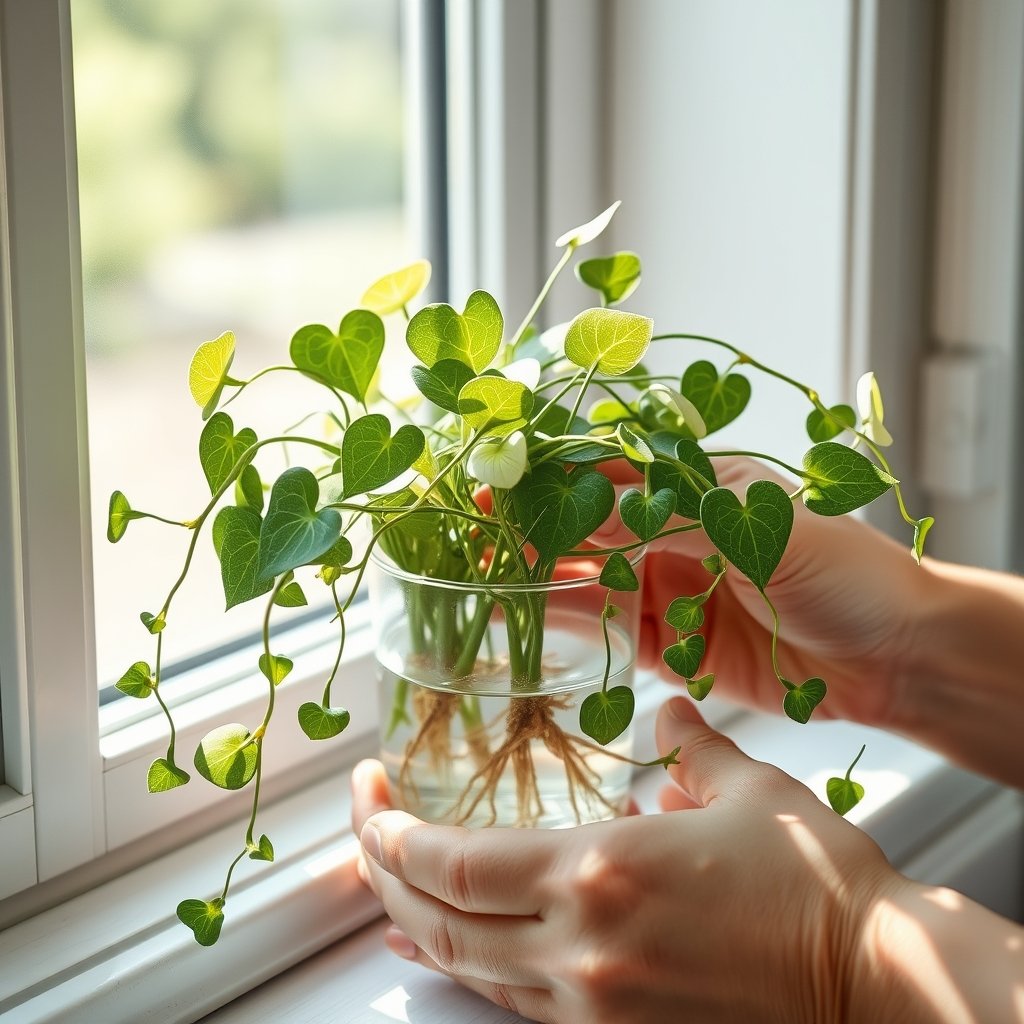
- Container and Repotting: Always use pots with drainage holes. I prefer terracotta, as it allows faster dry-down and fewer musty-root surprises for variegated types. Repot only when roots emerge from the bottom or soil dries unreasonably quick—every 2-3 years here is optimal.
- Pest Prevention: Check both sides of leaves weekly for pests—mealybugs, aphids, mites, and thrips. At first sign (cottony bits, tiny webs, sticky leaves), isolate and treat with neem oil or insecticidal soap. I keep a spray bottle in my supplies for this purpose—early action saves the whole plant.
- Want to instantly upgrade your watering routine and keep the mess down? Try a long-spout watering can. It’s made balancing hydration with precision so much easier for all my pots.
- Get more propagation ideas from this expansive soil, water, and tuber guide.
Advanced Analysis & Common Pitfalls
Even experienced growers trip up on the subtle differences between standard and variegated string of hearts care. Here are the top trouble spots—plus what I learned (sometimes the hard way):
| Pitfall | Symptoms | Action Steps |
|---|---|---|
| Etiolation from Insufficient Light | Long gaps between leaves, paler or faded variegation, thin stems | Move to brighter light (east or south window), rotate regularly, prune and re-root stems |
| Overwatering / Root Rot | Yellow, soft, or mushy leaves; brown, slimy roots; foul odor | Let soil dry out fully, trim dead roots, repot in fresh succulent-grade soil (source) |
| Underwatering | Shriveled, wrinkled, or crispy leaves and tubers | Water deeply until draining, then allow top inch to dry again |
| Fertilizer Burn (Variegated) | Brown leaf edges/tips; sudden leaf drop | Dilute feed to 1/8 strength, water before feeding, flush with plain water monthly |
| Pests: Mealybugs, Spider Mites, Aphids, Thrips | Cottony clusters, webs, sticky residue, leaf mottling or distortion | Remove pests manually, treat with neem oil or insecticidal soap, increase air flow |
| Soil Compaction | Slow drainage, wilted growth, roots “bound up” on repot | Repot with fresh, airy mix; use terracotta pots for extra evaporation |
- I’ve lost a whole section of variegation to too little light; it reversed completely after moving to a brighter, warmer window—the change was dramatic in under three weeks.
- String of hearts plants thrive with gentle air movement, which actually helps prevent pest buildups. I aim a small fan across my plant shelf on low, especially after wiping off mealybugs or fighting a spider mite episode.
Many guides miss the special needs of variegated string of hearts. They’re not just “prettier”—they are more sensitive to temperature swings, water, and overfeeding. Plan ahead, and you’ll be rewarded with standout foliage.
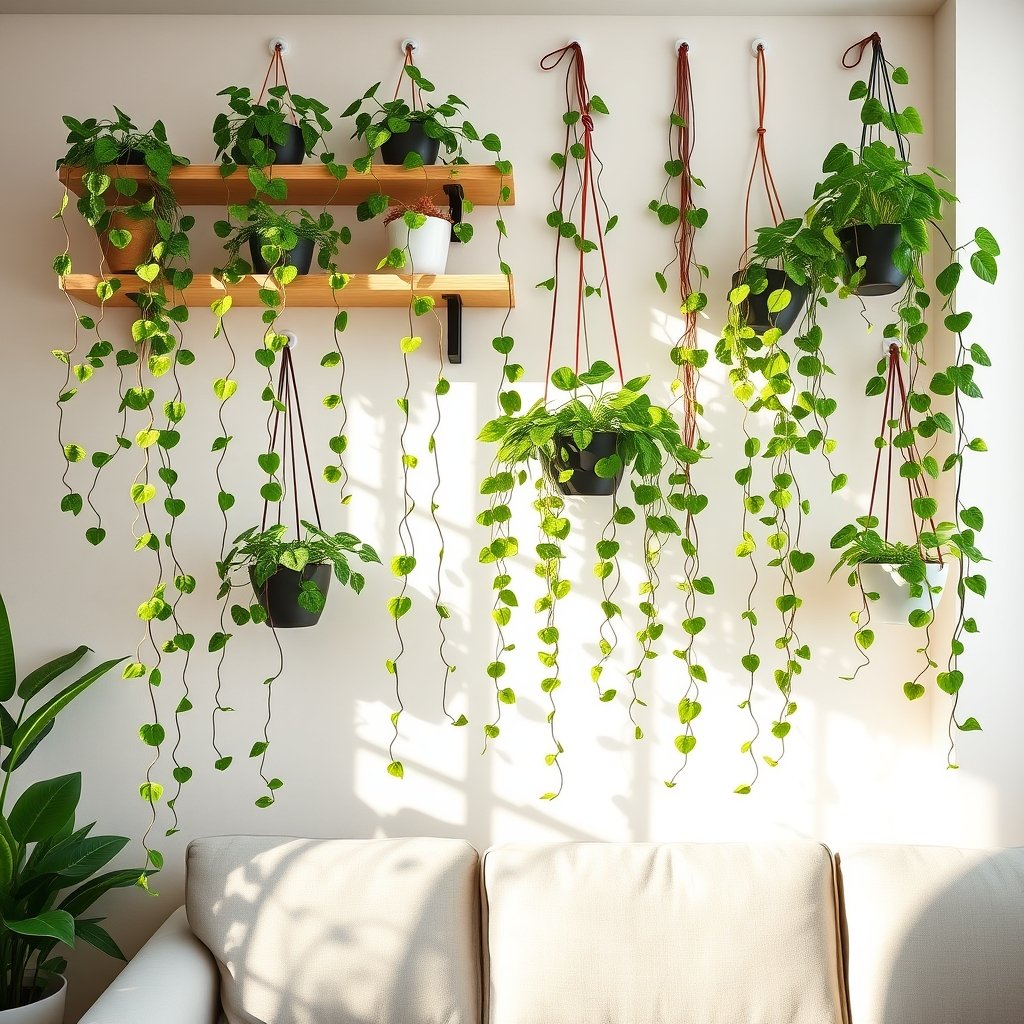
If you want to see your string of hearts match the polish of your art deco decor or organized kitchen, focus on the advanced tips for light and watering frequency—they matter more than any “miracle” plant food you’ll find online.
Summary & Next Steps
Growing a lush, colorful string of hearts plant takes a little science and a lot of patience. For both standard and variegated types, the secret is dialing in the right light, soil blend, and a “when in doubt, don’t water” approach. Don’t forget to rotate, prune, and check for pests—it’s this regular care that separates mediocre growth from the full, enviable cascading vines you see in design magazines. Your string of hearts can absolutely thrive if you put these care tips into action. Share your success stories or troubleshooting woes below—I’d love to see your results and help answer questions. Let’s keep those vines growing strong!
FAQs
Why is my string of hearts plant not growing?
Usually, it’s lack of light or watering mistakes—too frequent, or too rare. Move to a brighter spot and water only when the top inch of soil is fully dry. Growth will often resume within a month.
How often should I water my string of hearts?
Let the top inch dry out, then water deeply. This is typically every 10–14 days in warm seasons, or every 3 weeks in winter. Overwatering is much riskier than letting it get a little dry.
How do I keep variegation bright on my variegated string of hearts?
Maximize light—place in the brightest window available, with at least 2 hours of gentle morning or late afternoon sun. Low light causes fading to green and leggy vines.
What are early signs of pest attacks?
Watch for fuzzy white masses (mealybugs), fine webbing (mites), sticky leaf surfaces (aphids), or twisted new growth (thrips). Isolate at the first sign and treat right away.
Will cuttings from a variegated string of hearts stay variegated?
Cuttings from a variegated section usually keep their unique look, but it’s not 100% guaranteed—monitor new growth closely. Root only the most colorful vines for the best shot at ongoing variegation.
—