



Gerbera daisy is a favorite among gardeners both for its vivid blooms and the challenge it presents when starting from seed. If you’re one of the many who struggle to get gerbera daisy seeds to sprout, you’re not alone. This no-nonsense expert guide delivers science-backed germination instructions, vital care techniques, troubleshooting hacks, and clear evidence about cat safety—so you’ll grow thriving, pet-safe gerbera daisies with confidence.
Key Takeaways
- Gerbera daisy seeds germinate best at a steady 70–74°F with bright light, precise moisture, and a fluffy, well-drained mix—expect 70–85% germination in under 7 weeks if you get it right.
- Most plant deaths trace back to overwatering or poor soil aeration. Vigilant moisture control and using a sterile, aerated medium prevents root rot and fungal problems.
- Gerbera daisies are 100% non-toxic to cats, so you can keep your growing collection in pet-friendly homes—confirmed by veterinary studies and the ASPCA.
- How to Successfully Germinate Gerbera Daisy Seeds
- Ideal Conditions for Growing Thriving Gerbera Daisies
- Common Problems and Solutions in Caring for a Gerbera Daisy
- Are Gerbera Daisies Safe for Cats?
- Tips from Experienced Home Gardeners
- FAQ
How to Successfully Germinate Gerbera Daisy Seeds
Germinating gerbera daisy seeds is rewarding but rarely easy on your first try. These seeds require a precise balance of light, warmth, moisture, and asterile, airy medium. Many get it wrong by burying seeds too deep, keeping the soil too wet, or letting temperatures swing outside the sweet spot. Under optimal science-backed conditions—a surface sow in fluffy, well-drained mix with a light dusting of vermiculite, kept moist but never soggy at 70–74°F and exposed to daylight or strong artificial light—germination rates can reach 70–85% within six to seven weeks (source). The challenge comes in hitting these targets—dipping below 70°F, inconsistent watering, or covering seeds too much will drop your results fast.
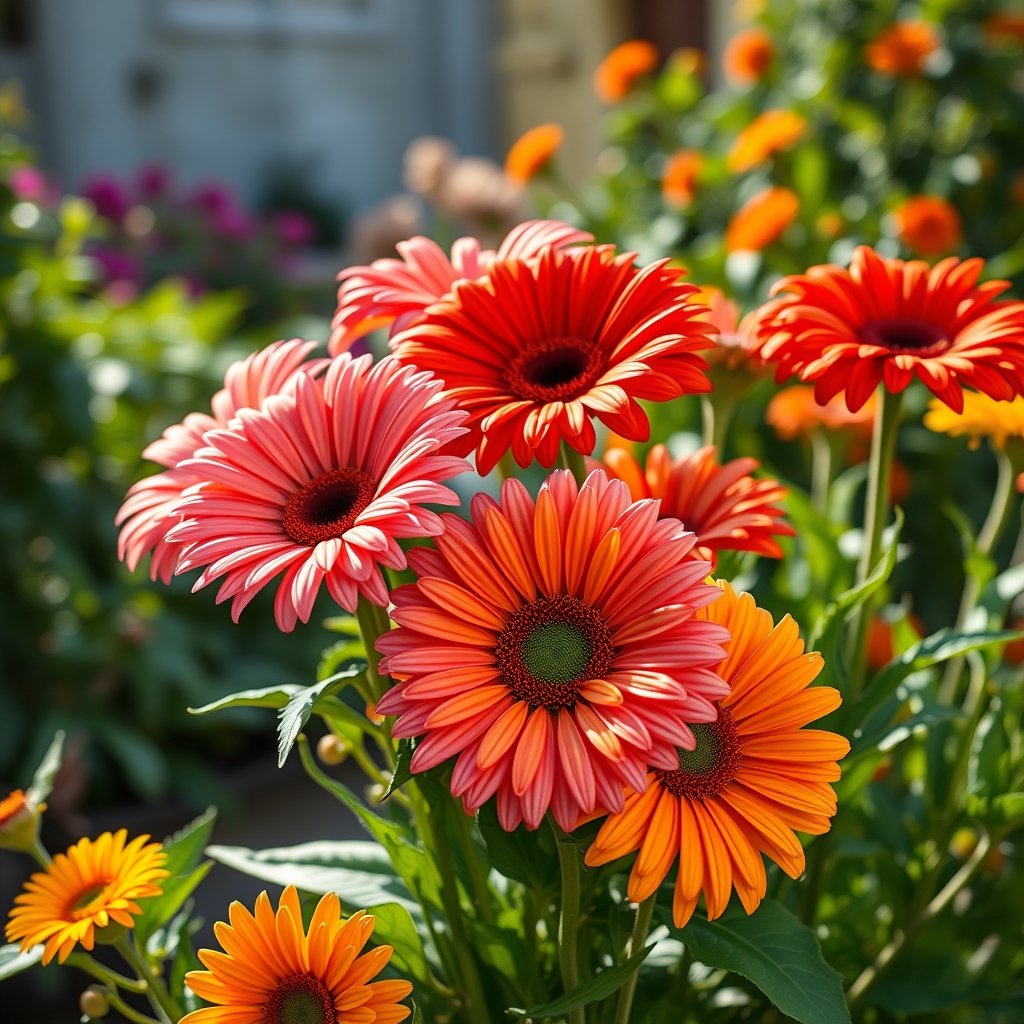
When I started my first batch of gerbera daisy seeds, adjusting my heat mat up to 72°F suddenly boosted my sprouting rate from under 30% to over 75%. It’s incredible how just a small tweak in temperature control flips your germination success.
Ideal Conditions for Growing Thriving Gerbera Daisies
The real work begins after sprouting. Gerbera daisies demand consistent, careful care to avoid the most common killers: soggy soil and poor aeration. Here’s the science-backed routine:
- Soil: Use a peat-free, well-aerated, and sterile mix with plenty of perlite or pumice—the roots suffocate quickly in heavy or dense media. Highly aerated soil boosts root health and ensures vital nutrients like boron and calcium reach their targets (source).
- Water: Keep the medium evenly moist but never wet. After planting, water thoroughly only when the top inch dries out. Both overwatering and underwatering spell doom fast.
- Light: Position in a spot with bright, indirect sunlight. Indoors, use a grow light set at 300–500 foot-candles. Avoid direct, scorching sun to prevent foliage burn.
- Fertilizer: Feed every 2–3 weeks with a half-strength, balanced fertilizer. Gerbera daisies show iron chlorosis and stunted growth fast if forced to tolerate poor soils.
- Temperature: Maintain daytime temps at 70–74°F; avoid cold drafts or spikes above 80°F. Gerbera daisies go dormant if chilled or scorched.
I found my plants performed dramatically better only after switching to a fluffy, peat-free mix heavy on perlite. This one change nearly eliminated my root rot issues—so don’t skimp on soil quality.
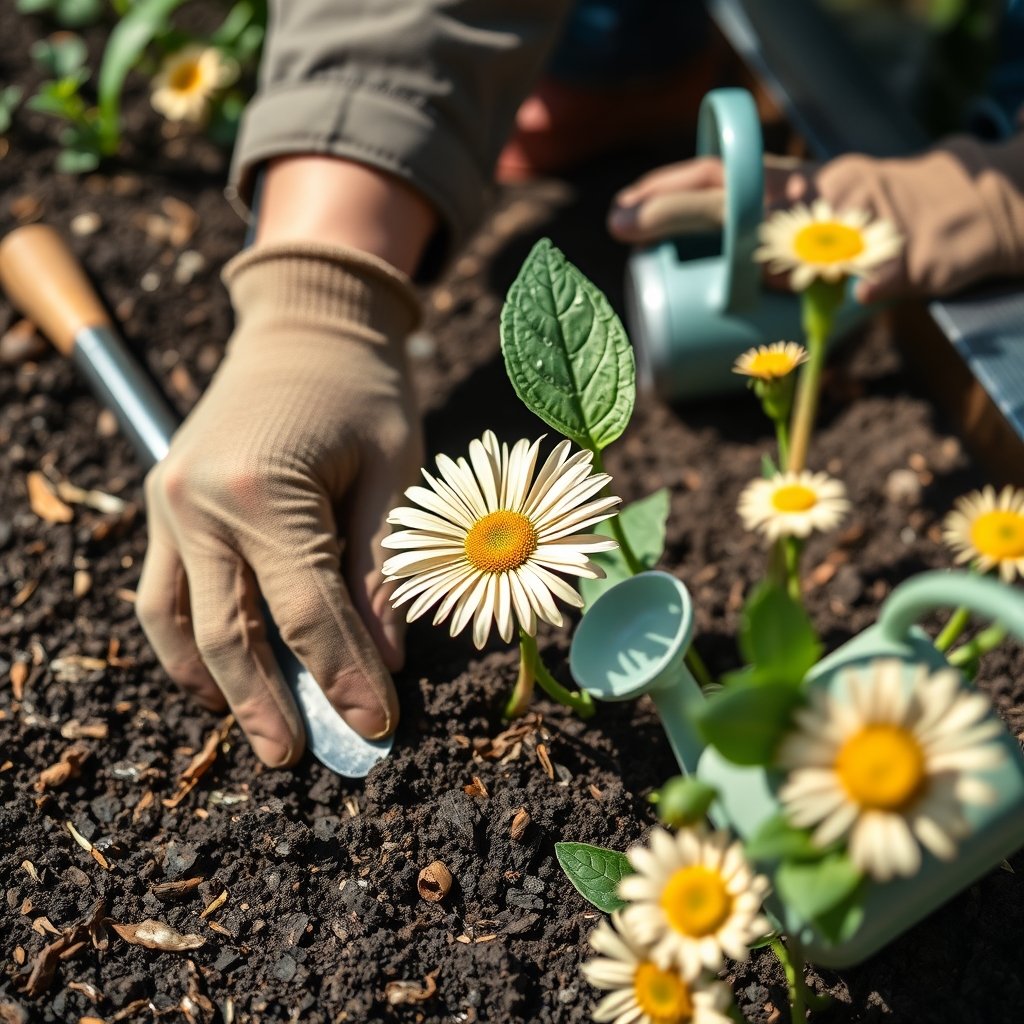
Check out this step-by-step guide for more science-backed details and proven techniques from the experts.
For gardeners who work outdoors, raised beds or containers with perfect drainage make maintenance easier. If you’re new to this, our raised garden bed ideas are worth a look for inspiration and practical tips.
Common Problems and Solutions in Caring for a Gerbera Daisy
You’ll hit a few snags even once you’ve nailed germination. Most gardeners (me included, at first) run into these headaches:
| Problem | Sign | Cause | Fix |
|---|---|---|---|
| Crown rot | Plant collapse, mushy crown | Crowns buried or soil constantly wet | Keep crowns above soil, never overwater |
| Root rot | Yellowing/wilting leaves, black roots | Soil too dense or soggy | Repot into airy mix, water less, use drainage holes |
| Fungal gnats | Tiny flies, slow growth, algae | Soil too moist, decaying material | Dry topsoil, use sticky traps, sterilize mix |
| Micronutrient issues | Pale/yellow leaves, leaf distortion | Lack of iron, manganese, or boron | Use complete, balanced liquid feed |
| Temperature swings | Leaf scorch, stunted flowers | Hot drafts or sudden cold snaps | Stabilize with insulation, move plant if needed |
Once I noticed my gerbera daisy leaves yellowing and drooping, a cheap soil moisture meter made it clear I’d been overwatering. Drying the soil and repotting into a lighter mix fixed things within two weeks.
Many of these pitfalls—especially rot—also happen in other delicate plants. If you want to prevent similar problems in tough species, check our low-maintenance plant care guide.
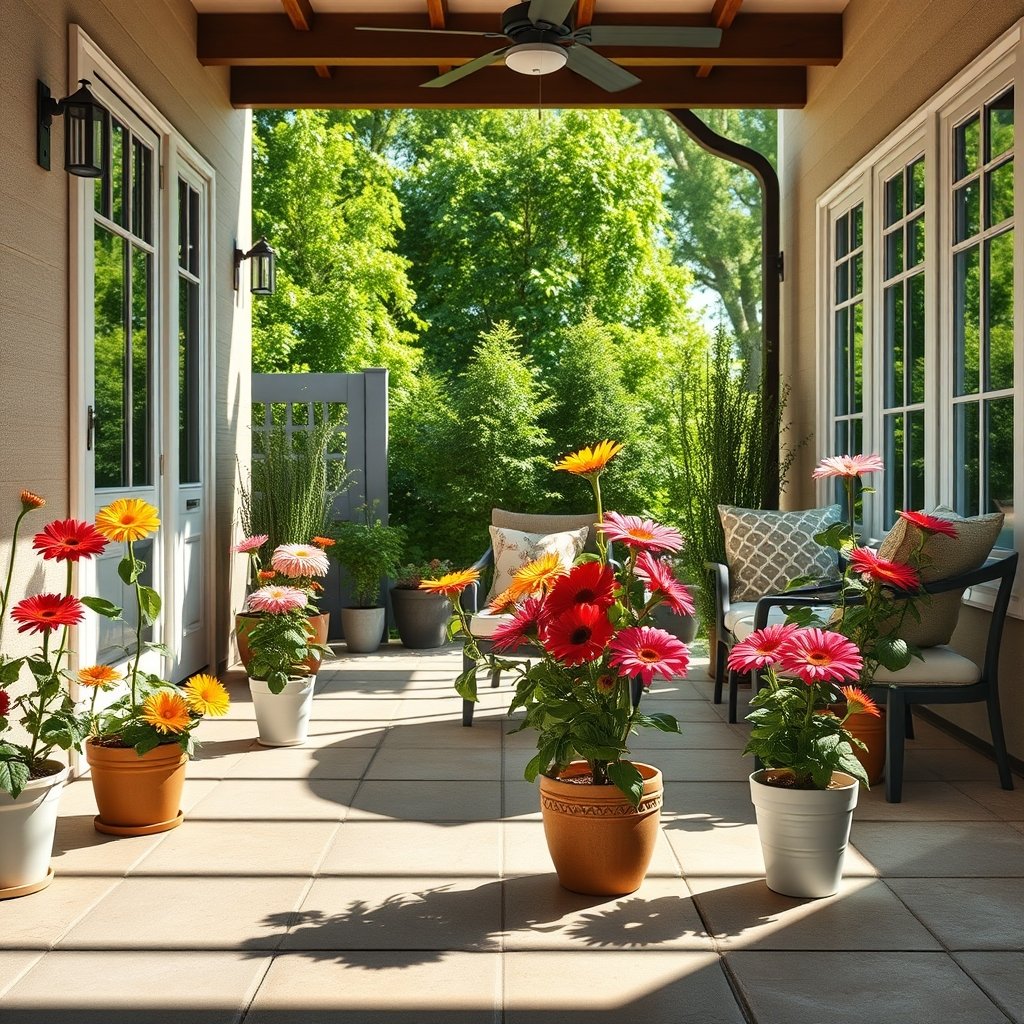
Master moisture, air, and fertilizer—even your other ornamentals will thrive.
Are Gerbera Daisies Safe for Cats?
Many hobbyists and pet owners worry: are gerbera daisies poisonous to cats? Thankfully, you don’t have to stress.
Unlike some other daisy varieties, gerbera daisies (Gerbera jamesonii) are classified as non-toxic to cats by the ASPCA and veterinary researchers (source). The same holds true whether you grow them indoors, outdoors, or bring a bouquet home. Recent research and reputable veterinary clinics confirm zero toxicity risk (Peak Vet). It’s a relief for anyone who loves flowers and their feline companions.
As a lifelong cat owner, I always double-check new plants before bringing them inside. I felt completely reassured growing and displaying my gerbera daisies after confirming the research. If you have more questions on pet-safe blooms, see our deep dive on lavender and pet safety for a clear breakdown of what’s safe for cats and dogs.
Tips from Experienced Home Gardeners
Veteran plant enthusiasts and hobbyists who grow gerbera daisy year after year all echo the same core advice—avoid overwatering at all costs and use fluffier soils than you think. If you’re prone to heavy-handed watering, pot your daisies in smaller, shallower containers with lots of drainage holes. One club member swears by bottom-watering only—a method that soaks from the tray and never wets the crown.
I nearly lost a patch but was saved by advice from my local gardening club: switch to a 60% perlite mix and water on a set schedule, not by “feel.” Since then, I’ve had no more rot issues and far better blooms per plant.
The best trick I’ve picked up is sticking to a regular check-in routine. Mark your calendar for biweekly feedings and a weekly soil moisture poke. These micro-habits prevent almost all bigger headaches later.
For troubleshooting other houseplants or pets, don’t miss our guide to indoor cat essentials—you’ll find more crossover tips for keeping both cats and plants happy.
If you’re curious about other beginner-friendly, pet-safe ornamentals, explore the full list of cat-safe flowers shared by leading experts.
FAQ
How long do gerbera daisy seeds take to sprout?
Gerbera daisy seeds usually take 6 to 7 weeks to sprout if kept steadily at 70–74°F with bright light and even moisture. Cooler or hotter conditions, lack of light, or soggy soil can slow down or prevent germination.
Are gerbera daisies toxic to cats?
No. Gerbera daisies are non-toxic to cats according to both the ASPCA and current veterinary studies, so you can safely grow them in cat-friendly homes.
Why do my gerbera daisy leaves turn yellow or wilt?
Yellow or wilted leaves are usually signs of overwatering, root rot, or iron and manganese deficiency. Make sure your soil is loose, drains well, and water only when the top inch is dry.
Can I grow gerbera daisies indoors?
Yes, gerbera daisies can thrive indoors if they get bright, indirect light and are planted in a porous, well-draining potting mix. Avoid letting water sit in saucers to keep roots healthy.
What’s the best soil for gerbera daisies?
Use a light, well-drained mix with added perlite or coarse sand. Compost or worm castings can help, too. Always avoid dense, heavy garden soil to prevent rot.
Conclusion
With precise temperature, bright light, and just-right moisture, anyone can germinate gerbera daisy seeds at home—even in a busy, pet-friendly household. Remember, it’s all about the details: fluffy soil, no overwatering, consistent warmth, and the reassurance that gerbera daisies are safe for cats. Try these science-backed steps and see if you can beat the average with your own sprouting success. Share your progress or pet-safe flower wins in the comments—let’s grow something stunning together.