


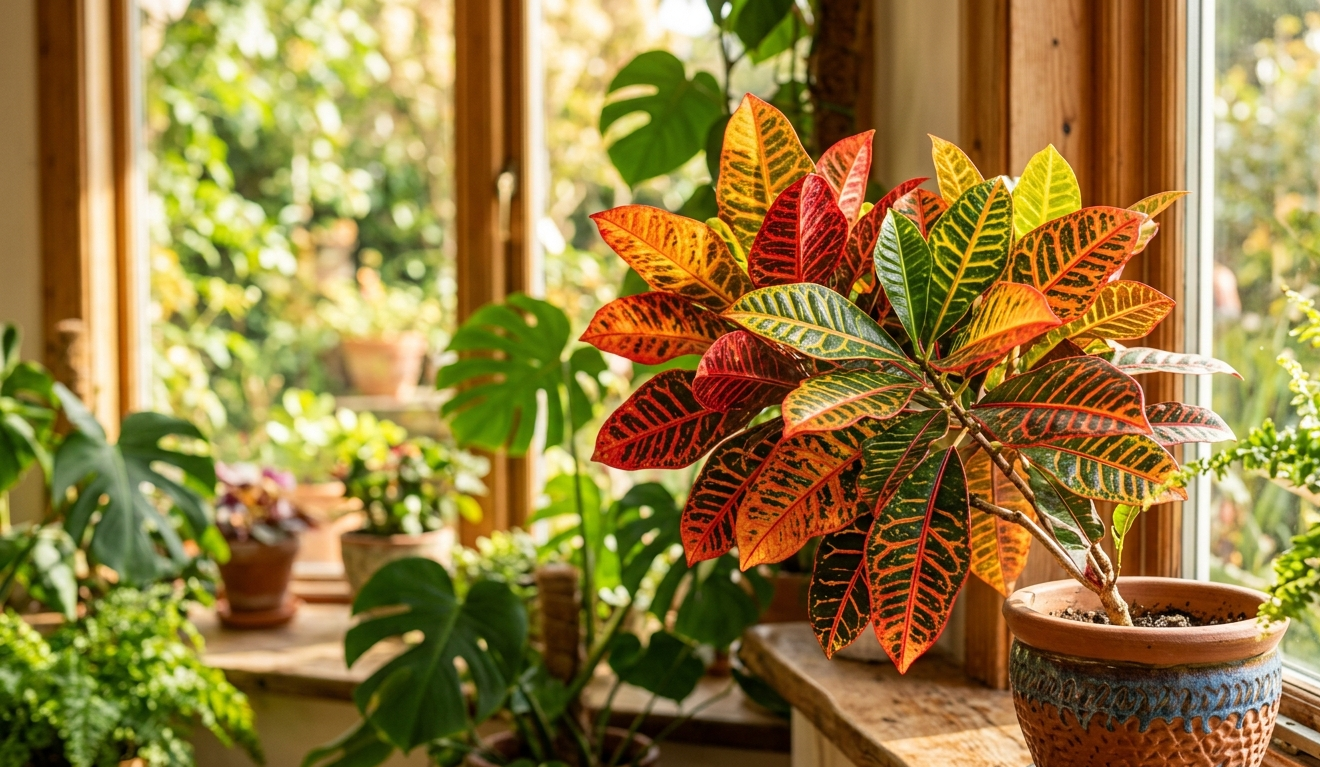
Croton plant owners often wake up to drooping, dull leaves—but practical fixes exist. This croton plant care guide gives exact light, humidity, and soil targets to restore color and stop leaf drop. You’ll learn measurable targets—lux, %RH, soil pH/mix—a symptom-to-solution troubleshooting playbook specific to Croton Petra, and the overlooked care steps top articles leave out.
Key Takeaways
- Bright indirect light (1,500–2,000 lux), 60–85°F temperature, and 60–70% humidity are essential for croton plant color and health.
- Most croton plant care problems—like leaf drop and color fading—stem from missed environment targets, not mysterious diseases.
- Rotating pots, checking soil pH, regular leaf cleaning, and flushing the soil are crucial steps rarely covered in top croton plant guides.
- Quick Care Snapshot: What Matters Most for Croton Plant Health
- Step-by-Step Guide: Troubleshooting and Optimizing Your Croton Plant
- Advanced Analysis & Common Pitfalls: What Sabotages Success
- Summary & Next Steps
- FAQ – Croton Plant Troubleshooting
Quick Care Snapshot: What Matters Most for Croton Plant Health
Croton plant care comes down to dialing in light, humidity, temperature, soil mix, and timing. Get these right and almost any croton—including finicky Petra types—will reward you with intense color and strong growth. Most problems (leaf drop, color loss, pests) are measurable and fixable, not mysterious. Here’s an at-a-glance checklist for evaluation:
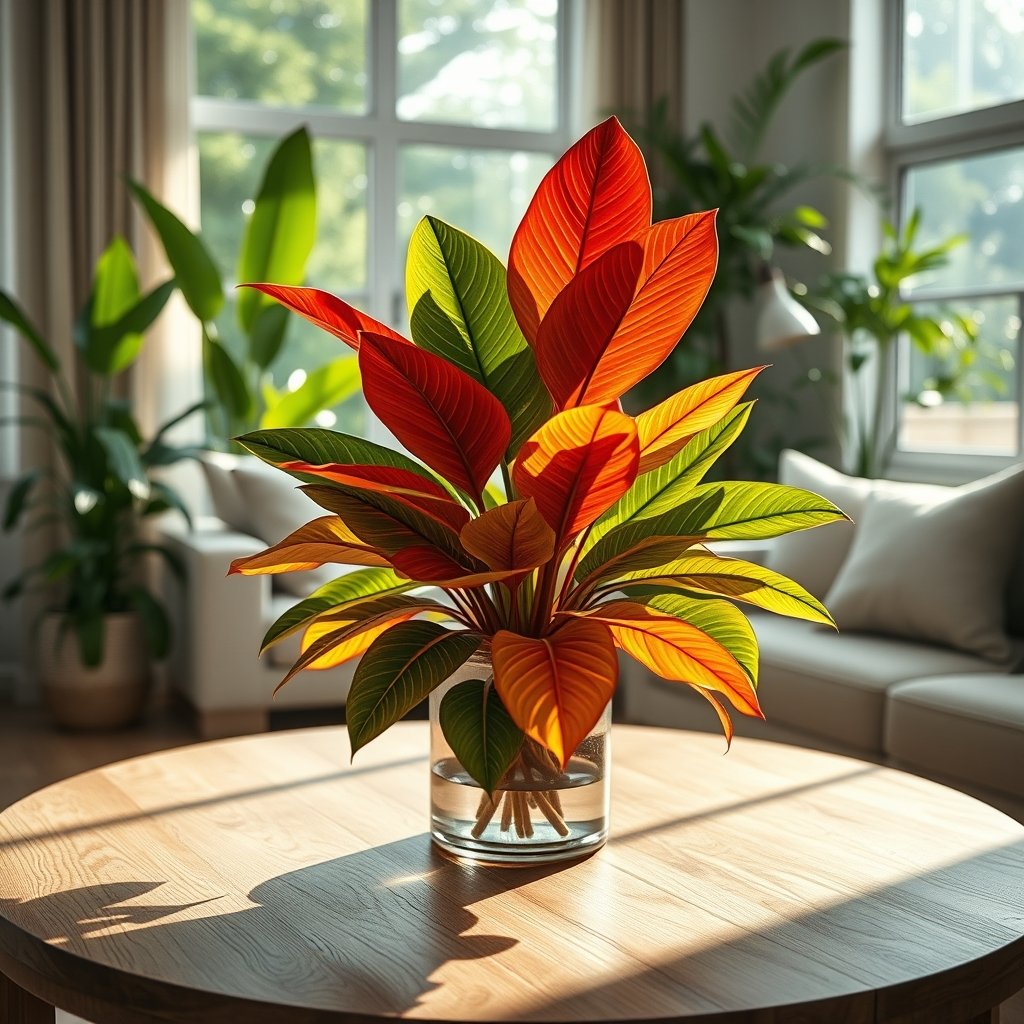
- Light: 1,500–2,000 lux (bright indirect); below 1,000 lux fades color, above 3,000 can scorch
- Humidity: 50–80% RH (ideal: 60–70% for best color); use a digital hygrometer to check
- Temperature: 60–85°F; avoid drafts and sudden shifts
- Soil mix: 40% peat, 30% pine bark, 30% perlite; slightly acidic (pH 5.5–6.5)
- Water: Only when top 1–2 inches dry to touch
- Fertilizer: Balanced, slow-release acidic monthly in spring–summer, less fall–winter
- Pest check: Weekly: mealybugs, spider mites, scale. Wipe leaves, inspect, treat early.
When I first moved my Petra to 1,500 lux, its colors returned within three weeks. For a deeper look at soil prep.
Step-by-Step Guide: Troubleshooting and Optimizing Your Croton Plant
- Check Light (Lux Levels): Use a light meter or free phone app (Lux Light Meter, Plant Light Meter). Place your croton where readings average 1,500–2,000 lux for at least 6 hours. Avoid west window heat spikes; east- or north-facing spots are often ideal.
- Confirm Humidity and Temperature: Place a digital hygrometer beside your croton plant. If it shows under 50% RH—especially in winter—add a room humidifier (never point airflow at the plant). Monitor temp with a room thermometer; keep well away from doors or heaters.
- Soil and Pot Check: Repot if your mix is dense or sour-smelling (often from overwatering or compacted peat). Use the 40% peat/30% bark/30% perlite blend in a container with large bottom drainage holes. Test soil pH with a simple kit; amend with garden sulfur (if pH too high) or dolomite lime (if too low).
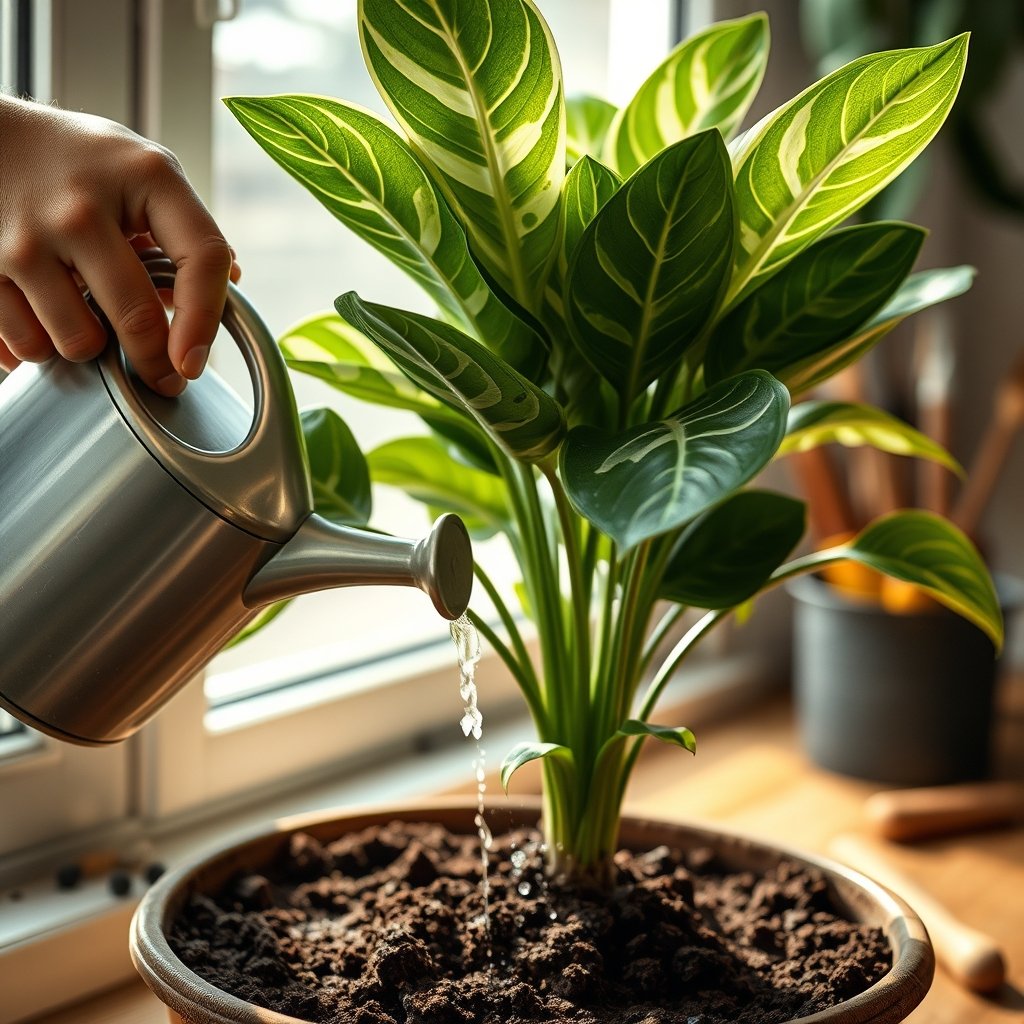
- Watering Rhythm: Stick your finger or a chopstick in—water thoroughly only when top 2 inches dry. Pour until it drains from the holes; then discard run-off tray moisture within 20 minutes.
- Fertilizing Schedule: Use a slow-release acidic feed (osmocote or rhododendron/azalea planters are good) during active growth (spring–summer). Pause or halve frequency in fall and winter. Flush the soil with excess water every 2–3 months to prevent salt buildup and yellowing.
- Pest Scan & Cleaning: Look for sticky residue, specks, or fuzz under leaves (especially if color fades despite proper care). Wipe leaves with a damp microfiber cloth weekly. Rotate pot 90 degrees after each watering.
- Pruning & Airflow: Snip yellow or crispy tips with clean scissors. Space plants for airflow, and always clean tools between cuts. Only mist air above the plant—don’t soak leaves directly.
- Propagation/Repotting: For a fresh start or share with friends, take softwood cuttings (about pencil-thick), dip in rooting hormone, place in a humidity tent (ziplock or dome), and wait 3–4 weeks for roots.
Adding a small cool-mist humidifier raised my croton plant room’s humidity by 25%, turning droopy leaves crisp and upright again. For more on watering, check out these best practices for soil moisture.
Advanced Analysis & Common Pitfalls: What Sabotages Success
Why do so many guides skip steps that actually make a difference for health and color? In my experience, it’s often because easy hacks and quick checks get lost beneath generic advice. Here’s what commonly trips up croton plant owners:
| Symptom | Likely Cause | Immediate Fix | Follow-up |
|---|---|---|---|
| Leaf drop | Draft, temp change, humidity dip, moving plant | Stabilize temp, increase humidity, give bright indirect light | Wait 2 weeks after fixes, prune if needed |
| Faded color | Low light, old soil, pests | Increase to 1,500–2,000 lux, check for pests; refresh soil | Rotate pot weekly |
| Curling/brown tips | Low humidity, excess fertilizer | Raise humidity to 60–70%; flush soil | Cut fertilizer in half |
| Spider mites, mealybugs | Stale air, dirty leaves, stress | Wipe leaves, apply neem oil spray weekly | Improve air flow; repeat checks |
| Root rot | Dense/wet soil, sitting in water | Remove plant, trim black roots, repot in 40/30/30 mix | Water less; add perlite for future |
- Overly Dense Soil: Crotons can suffocate quickly in dense potting mix. If you’re unsure, repot using the 40% peat, 30% pine bark, 30% perlite blend confirmed by experimental guides like Tropical Plants of Florida.
- Draft Exposure: I lost 9 leaves from a sudden front-door draft. Once I sealed the area and moved the pot, it stabilized.
- Lack of Rotation: Without rotating the container, one side fades; turning it every 1–2 weeks balances color.
- No Soil Flushing: Over time, salts build up from fertilizer. A periodic thorough drench (let water flow through the pot) restored growth after yellowing started for me.
- Pest Blindspots: Most web guides don’t stress leaf wipe-downs, but the single weekly wipe has saved me from two outbreaks of scale.
- Skipping pH Monitoring: Acidic soil, around pH 6, is best—purple or faded tones often point to an alkaline swing.
For more on plant light and positioning, see our String of Hearts care guide.
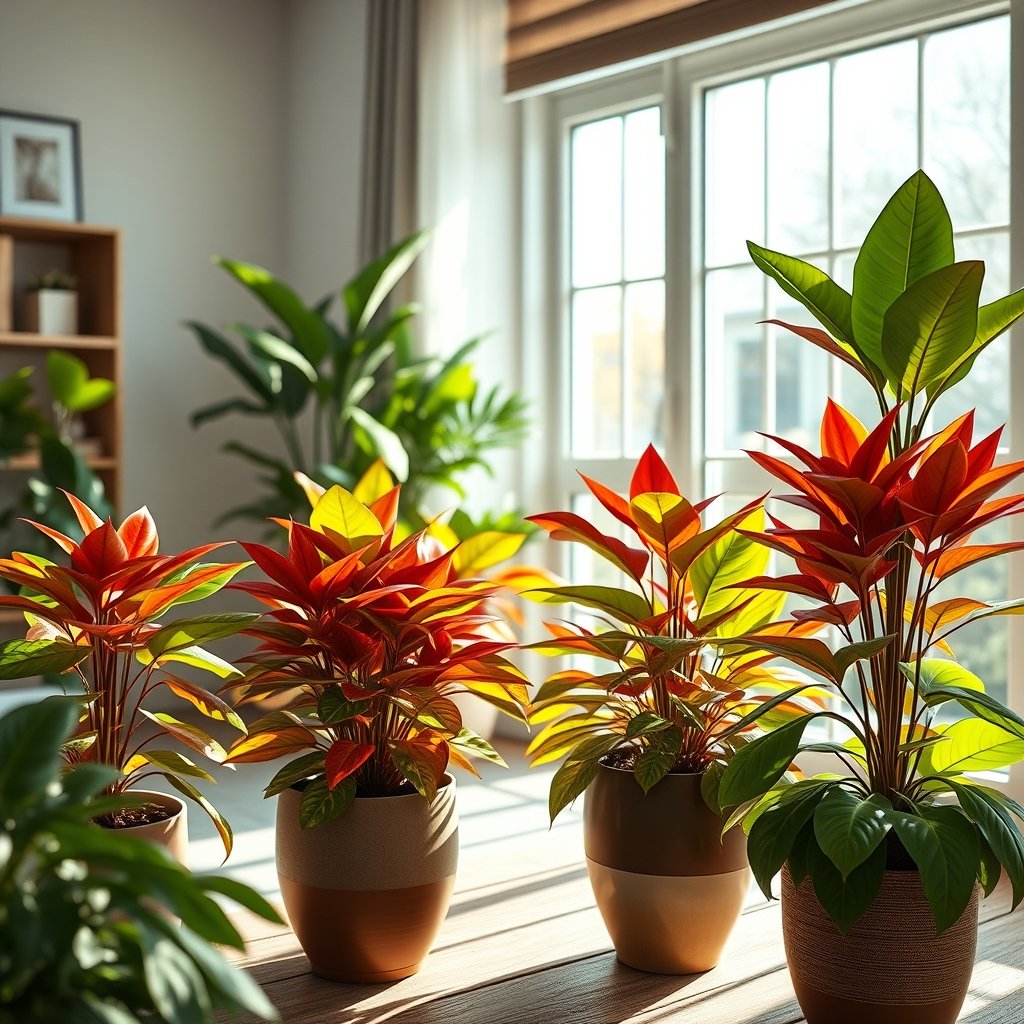
Crotons are stunning, but not ideal if you have curious kids or pets due to the sap. For alternatives, consider safer options like Gerbera daisies or artificial olive trees for color with less risk or upkeep.
Summary & Next Steps
Dialing in croton plant care is a science—track lux, humidity, soil pH, and watering, and your Croton Petra will show remarkable recovery. Most symptoms are environmental errors, and they’re reversible. Download the printable croton plant checklist/calendar below, try these fixes for two weeks, then comment with progress or photos. Got persistent issues? Don’t miss our full troubleshooting deep-dive for croton plant problems.
FAQ – Croton Plant Troubleshooting
Why is my croton Petra losing color?
Croton Petra loses variegation when light is too low or too intense. Target bright, indirect light (~1,500–2,000 lux) for 6–8 hours daily. If below ~1,000 lux colors fade; above ~3,000 lux can scorch. Move plant to an east or bright north spot and monitor for improvement in 2–4 weeks.
How often should I water my croton?
Water thoroughly, then wait until the top 1–2 inches of a well-draining mix are dry before watering again. Frequency varies by season—more in spring/summer, less in fall/winter. Overwatering causes root rot; under-watering leads to leaf drop and dry lower leaves.
What soil mix and pH should I use for croton planting?
Use a free-draining, slightly acidic mix: roughly 40% peat, 30% pine bark, 30% perlite. Aim for soil pH about 5.5–6.5. This balance preserves acidity and drainage, reducing root problems and keeping nutrients available for vibrant foliage.
How do I increase humidity for my croton?
Increase humidity to 50–80% (60–70% best for color) with a humidifier, pebble tray, or grouping plants. Avoid constant leaf wetness; use a room humidifier for consistent levels. Monitor with a hygrometer and slowly raise RH to prevent shock.
How do I treat pests on my croton?
Inspect leaves regularly. For mealybugs, spider mites, or scale, isolate the plant, wipe visible insects off, and treat with neem oil or insecticidal soap every 7–10 days until clear. Improve airflow and clean leaves to prevent re-infestation.