


Air filters are essential for protecting indoor air quality, especially as concerns about pollution, smoke, and allergies continue to rise. Today’s homeowners want actionable advice—not generic fluff—on choosing, using, and troubleshooting air filtration systems that work.
Key Takeaways
- Global demand for air filters and purifiers is accelerating due to health, pollution, and post-pandemic priorities—HEPA technology remains the market leader.
- Performance differences matter; understanding which filter types address specific problems (particles, smoke, odors) helps maximize every dollar spent.
- Certifications, ongoing costs, and potential downsides are often overlooked but crucial for buyers aiming for cleaner air at home.
- What Are Air Filters and Why Do They Matter?
- How to Choose and Use Air Filters at Home
- Advanced Analysis & Common Pitfalls
- Summary & Next Steps
- FAQ
What Are Air Filters and Why Do They Matter?
Air filters are devices or materials designed to trap and remove particles, contaminants, and sometimes even odors from the air. In 2024, the global air purifier and filter market is surging: estimates place it as high as USD 18.3 billion, with double-digit growth expected over the next decade. Health awareness, pollution, stricter indoor air regulations, and the aftermath of COVID-19 have accelerated this trend [source].
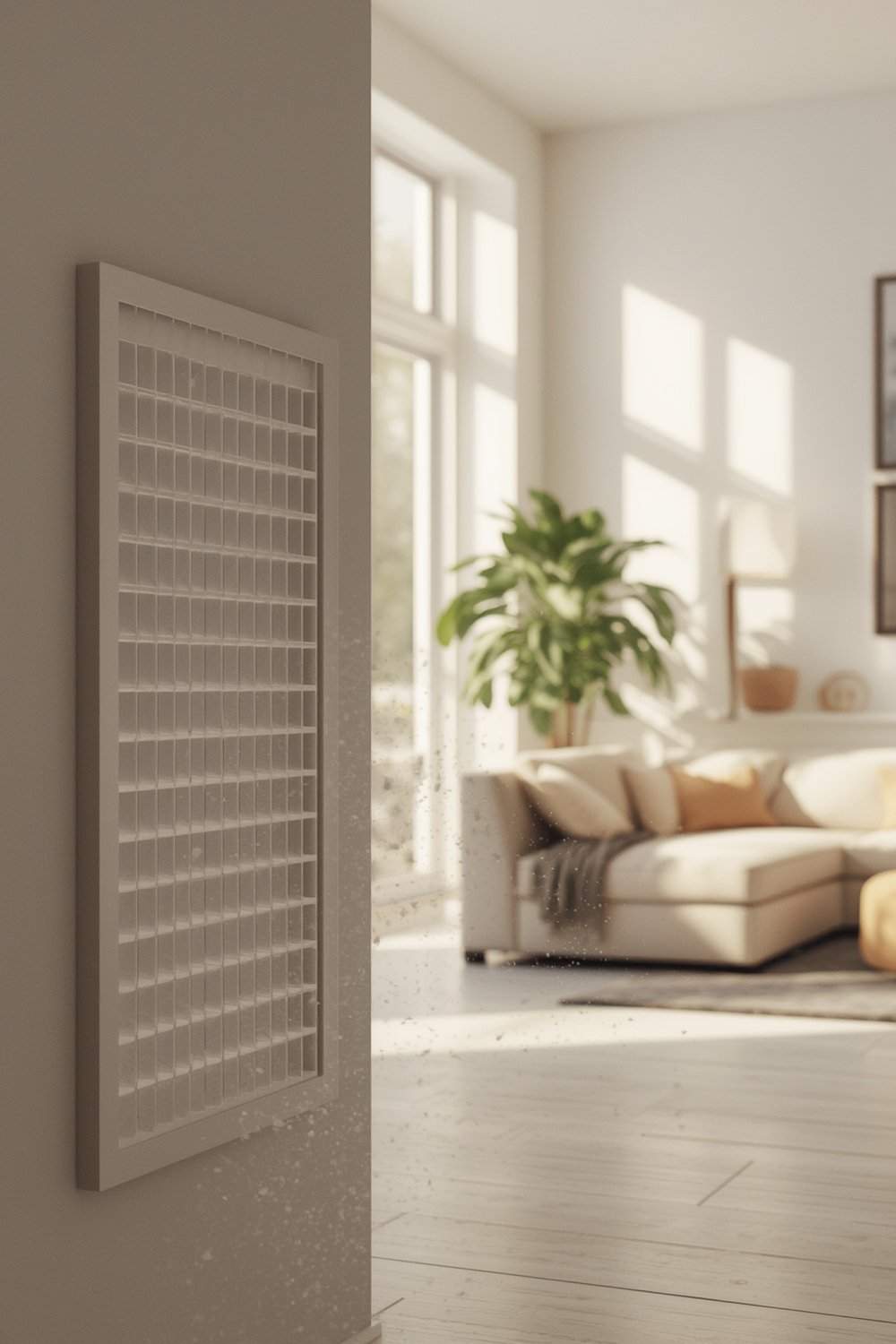
Why does this matter for ordinary homeowners? Air filters do more than minimize dust. The best systems capture fine particles, allergens, and volatile organic compounds (VOCs), improving breathing comfort and protecting vulnerable family members. People living near wildfire zones, in urban pollution, or with allergies see noticeably better air quality (and often, fewer symptoms) when effective air filtration is in place. The North American residential market alone is growing at 8.9% annually, proving these concerns are now mainstream.
How to Choose and Use Air Filters at Home
Here’s exactly how to select, set up, and get the best results from air filters or purifiers—whether your goal is allergen, smoke, or odor removal.
- Identify Your Main Air Quality Issue
Is it allergies, wildfire smoke, cigarette smoke, dust, or pet dander? This affects which filter type(s) work best. For allergens and particulates, go HEPA. For odors, smoke, and chemicals, seek filters that offer both HEPA and activated carbon. - Focus on Key Specifications
Look for the Clean Air Delivery Rate (CADR)—it measures how quickly a purifier cleans air. A higher CADR is especially critical for smoke and allergen-prone rooms. - Match the Purifier to Your Room Size
Ensure the unit’s recommended square footage is equal to or greater than your room. If you’re using a portable purifier, keep doors and windows closed for best results. - Check for Third-Party Certifications
Look for endorsements from organizations such as the Association of Home Appliance Manufacturers (AHAM) or labels indicating CADR ratings, which are benchmarks of quality and safety. - Plan for Ongoing Maintenance
Filters clog up and need to be replaced—sometimes as often as every 3-6 months. Always factor in the cost and availability of replacement filters before you buy. - Consider Placement and Operation
Place purifiers where you spend the most time: bedroom, living room, or nursery. Keep air intakes unobstructed and run them continuously during high-pollution periods.
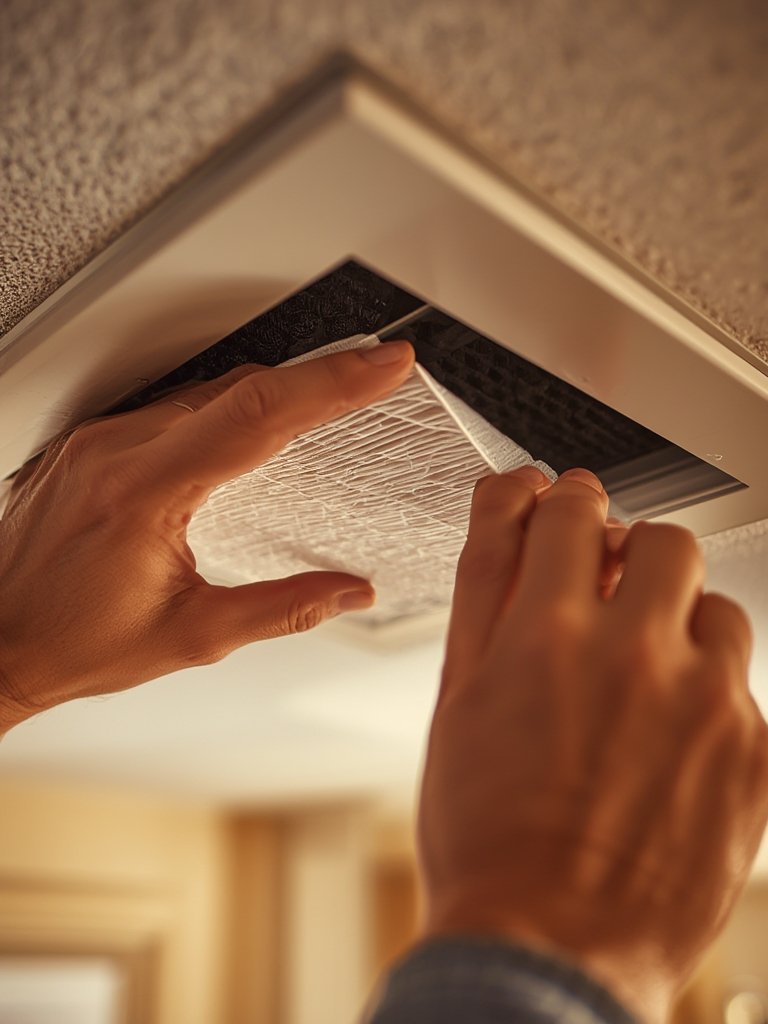
For anyone wanting a smarter upgrade for kitchen air quality, pairing an air purifier with kitchen ventilators is increasingly popular. See our guide to kitchen organization and air quality for more actionable solutions.
Tip: Many modern air purifiers also include air quality sensors and display real-time feedback, helping you judge when to run them at higher speeds or change the filter. Always verify the manufacturer’s replacement schedule and energy consumption, especially if you plan round-the-clock use.
Advanced Analysis & Common Pitfalls
Despite rapidly growing interest, most shoppers run into common costly mistakes—often because manufacturer claims don’t match real-world results. Here’s what to watch out for, plus a performance breakdown of popular filter technologies.
| Filter Type | Best For | Limitations | Market Share (2024) |
|---|---|---|---|
| True HEPA | Allergens, fine dust, most particulates | No odor/gas removal; filters need regular replacement | Largest market share |
| Activated Carbon | Odors (smoke, VOCs, chemicals) | Weak on actual particle removal | Often combined with HEPA in smoke/allergy purifiers |
| Electrostatic/UV | Some microbes, odor molecules | Effectiveness varies, may produce ozone, limited smoke removal | Less common in mainstream home units |
| Thermodynamic Filterless | Broad spectrum airborne particles | Typically higher upfront cost, technology still emerging | Gaining share due to efficiency |
- Assuming any filter will remove smoke odors. In reality, only those with substantial activated carbon are effective for actual smoke and VOCs—basic HEPA alone is not enough.
- Ignoring filter replacement costs. Replacement filters can be unexpectedly expensive and are necessary every few months for full effectiveness. Always research ongoing costs before purchase. (For more cost-saving tips on household appliances, see our non-toxic air fryer guide.)
- Overlooking certifications and reputable testing. Some brands exaggerate coverage area or efficiency stats. Only trust third-party tested CADR, EnergyStar, or AHAM badges.
- Poor placement or infrequent use. Air filters won’t help if you run them only occasionally or set them in a corner with blocked airflow.
- Not considering product noise and energy usage. Some powerful purifiers are loud on their highest settings; verify decibel ratings and watt draw if 24/7 operation matters to you.
Looking for storage and placement tips to keep your unit effective and your space organized? Check our advice on must-have kitchen essentials for practical integration in modern spaces.

Summary & Next Steps
While market options are broader than ever, using the right combination of air filters and informed purchasing criteria is the only way to truly impact your indoor air quality in 2024. From airborne allergens to wildfire smoke, today’s best solutions build on proven HEPA and activated carbon technology, but proper sizing, certification, and filter replacement are what make the impact real. Armed with this honest overview, buyers can make sense of the claims—and make every upgrade truly count.
Ready to take control? Review your home’s needs, measure your main rooms, and leverage up-to-date advice from this guide on air filters before making your next purchase. For more home improvement insights, explore articles on art deco furniture or see how smart upgrades can contribute to a cleaner kitchen environment.
FAQ
How often should I replace my air filter or purifier filter?
Most HEPA and carbon filters should be replaced every 3 to 6 months for peak performance, but always check your manufacturer’s recommendation. Running units 24/7 or using them in high-dust, smoke, or pet environments may shorten this interval.
Are all HEPA filters the same?
No, only “True HEPA” (not “HEPA-like” or “HEPA-type”) meets stringent standards for particle removal. Always look for third-party certification when shopping.
Will a standard air purifier remove cigarette or wildfire smoke?
Not all models do. For smoke (particles and odors), you need a purifier with both HEPA and a substantial activated carbon filter. Regular particle-only HEPA is not enough.
What certifications should I look for in a home air filter or purifier in 2024?
Look for CADR ratings (Clean Air Delivery Rate), AHAM (Association of Home Appliance Manufacturers) certification, and any stated compliance with government indoor air safety regulations.
What’s the biggest hidden cost with home air filters?
Replacement filters and increased energy usage if running units constantly. Upfront costs can seem modest but ongoing expenses add up—budget accordingly and verify price/availability of replacement cartridges.
As an Amazon Associate, I earn from qualifying purchases. If you buy through links on this page, I may receive a small commission at no extra cost to you. This helps support the site and lets me keep creating helpful, free content.