


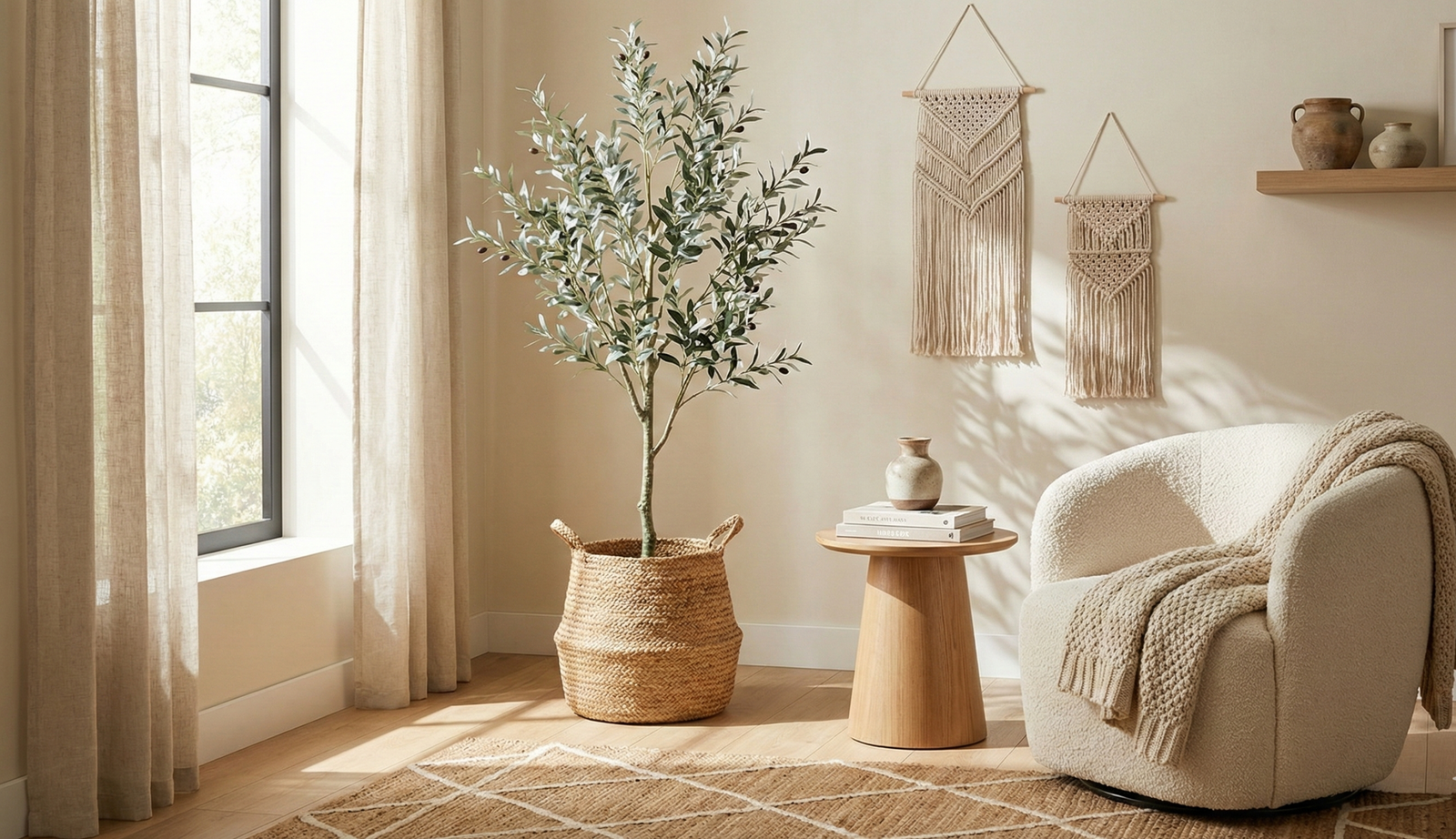
Fake olive tree decor has exploded in popularity for homeowners and designers eager to get the Mediterranean look—without the mess and commitment of real plants. Wondering if artificial olive trees are worth it, how realistic they look, or which type lasts the longest? This hands-on guide cuts through market hype to help you make a smart decision for your space.
Key Takeaways
- Fake olive trees now dominate the artificial tree category, holding 28% of market share in 2024 and growing fast, especially in North America and Europe.
- The most realistic, durable models feature knock-down trunks, weighted pots, and detailed leaves—mature Chinese supply chains set industry standards.
- Cost, appearance, and long-term value vary widely; understanding manufacturing quality and hidden downsides is key before buying.
- What Is a Fake Olive Tree and Why Are They Trending?
- How to Choose the Best Fake Olive Tree for Your Home: Step-by-Step
- Advanced Analysis: Pitfalls and Common Problems With Fake Olive Trees
- Conclusion
- FAQ
What Is a Fake Olive Tree and Why Are They Trending?
A fake olive tree is an artificial plant designed to imitate the slender, silvery-green leaves and sculptural trunk of a real olive tree. They’re often made from synthetic materials such as plastic, polyester, and textile blends, sometimes with a natural wood core or weighted base to improve stability and realism.
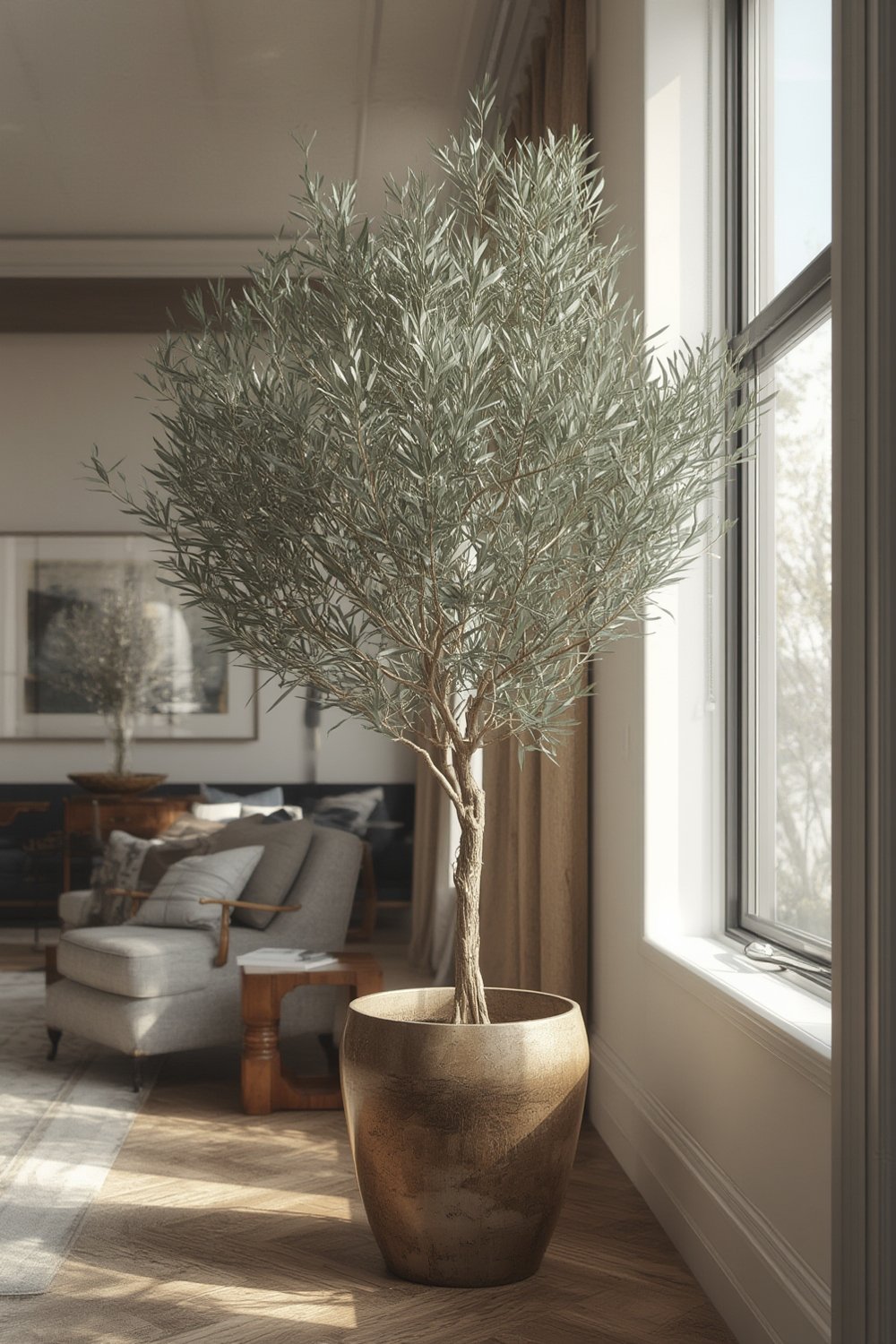
What’s fueling their rise? First, the global artificial plants market hit $736 million in 2023 and continues its steady climb at over 4.5% CAGR through 2029, with fake olive trees quickly taking the lead. In 2024, olive trees accounted for a commanding 28% of Amazon’s artificial tree sales. Leading wholesalers report detachable and knock-down trunk designs as this year’s top sellers—a sign buyers now expect both easy setup and a clean look.
Why pick a fake olive tree over the real thing? First, real olive trees struggle indoors without perfect light and humidity. Faux versions offer easy style—no watering, pruning, or pest concerns. Newer manufacturing advances mean premium artificial olive trees closely mimic leaf texture, natural bark, and even branch movement. Well-made models are being used in homes, offices, restaurants, and even interior art deco decor projects for effortless greenery.
For those who want greenery without any risk of allergens, fragile leaves, or mess, choosing a fake olive tree is a practical solution that stays stylish and low-maintenance year-round.
How to Choose the Best Fake Olive Tree for Your Home: Step-by-Step
Not all fake olive trees are created equal. Follow these specific steps before you click “buy now” or place a wholesale order. This checklist helps you avoid flimsy, cheap-looking models and get the best value for your money.
- Set Your Budget: Prices vary widely—from under $80 for short tabletop versions to $300+ for large, premium floor models. Recent market trends show olive tree prices are more stable than popular “fiddle leaf fig” styles, with only mild drops in a mature market segment. For context, average prices for fiddle leaf figs slid from $120 to $75 over two years, while artificial olive trees held steady with about a 15% dip at most.
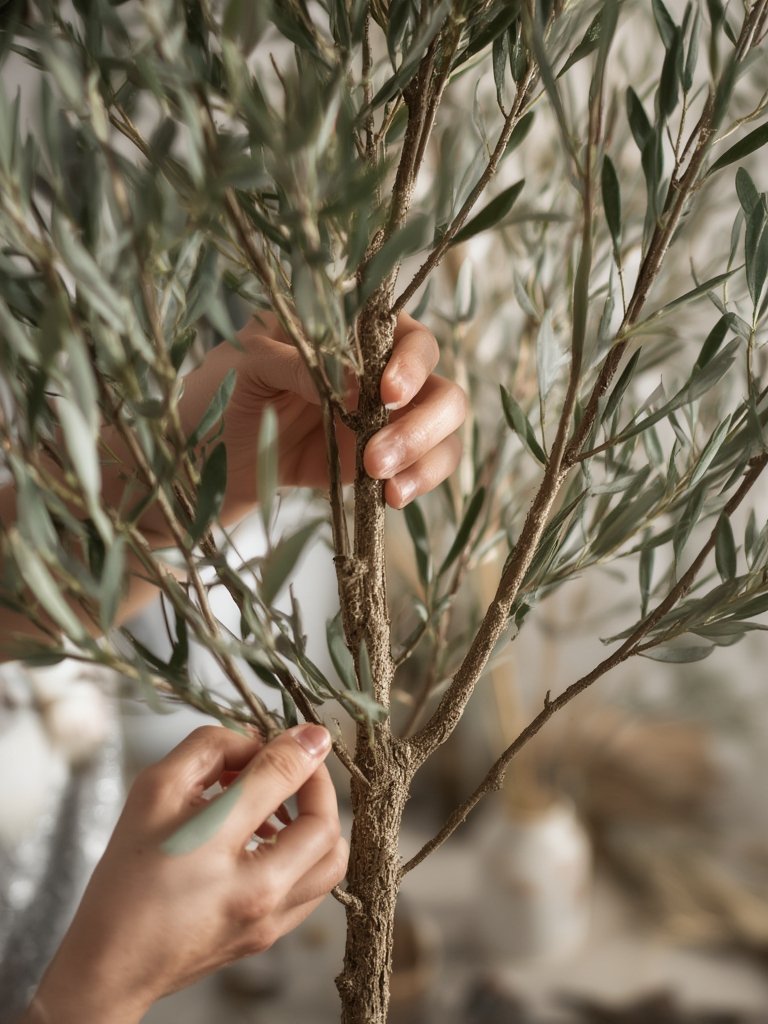
- Check Materials and Construction: Industry leaders like ULAND and Sinleen prioritize realistic leaf veins, naturalistic bark texturing, and sturdy knock-down trunk design. Sinleen’s Shady Lady model (210cm) is an example: it features a K/D trunk and a 5-7kg weighted pot, both signs of a high-quality, long-lasting product.
- Evaluate Height and Proportion: Standard sizes range from small (3-4ft) to statement-making tall trees (over 7ft/210cm). Measure your ceiling height and room size before ordering; too large and it crowds your space, too small and it looks underwhelming. Tip: For an art deco interior design, mid-height (5-6ft) trees often fit best.
- Look for Weighted Pots: A heavy base keeps trees upright and prevents accidents, especially in busy homes with kids or pets. Weighted pots (at least 5-7kg for tall trees) are now considered essential for premium brands.
- Compare Brands & Return Policies: Leading sellers like Sinleen and ULAND offer consistent B2B repeat rates as high as 45% thanks to durability and realistic design. Ensure you can return the tree if the color or overall appearance doesn’t match your expectations.
Still weighing different faux botanicals? Olive trees are dominating the artificial tree trend for good reason, but don’t discount other style options. For more on practical, modern home upgrades, see our guides on kitchen organization ideas and best large tumblers for your home.
Finally, when choosing placement, avoid tucking your tree into dark corners—faux olive trees look most convincing near natural light, just as real ones would thrive outdoors.
Advanced Analysis: Pitfalls and Common Problems With Fake Olive Trees
While artificial olive trees are marketed as almost “carefree,” there are a few real-world downsides and traps shoppers stumble into:
- Plastic Shine: Cheap models have unnaturally shiny leaves that instantly give away their “faux” nature. Always check for soft-matte finishes and subtle color blending.
- Stability Issues: Trees with lightweight or undersized pots will tip over easily. cement-filled bases are a must, especially for trees over 5ft.
- Assembly Hassles: Detachable trunk (K/D) designs are now industry standard, but some budget models fit poorly or have fragile connectors. Read assembly instructions and reviews before buying.
- No Real Touch or Aroma: Even realistic olive trees can’t perfectly mimic the subtle scent or touch of real leaves. If scent matters, consider a vase of herbs or smart indoor planters near your faux display.
- Environmental Unknowns: Despite surging sales, there’s little open information on the environmental impact of PVC, dyes, and adhesives used in these trees. No current data exists on VOC emissions or sustainability certifications in this market segment (source).
- No Official Cost Comparison With Real Olive Trees: While high-quality artificial olive trees typically cost less over time than caring for a live olive indoors (which often fails without perfect conditions), specific price and value breakdowns remain unreported in major research.
| Feature | Fake Olive Tree | Real Olive Tree | Other Faux Plants |
|---|---|---|---|
| Upfront Cost | $80–$300+ (size/brand) | $100–$400+ (with care) | $40–$200+ |
| Maintenance | Dust occasionally | Needs watering, light, pests | Dust occasionally |
| Lifespan | 5–10+ years (if quality) | 1–5 years (indoors) | 3–10+ years |
| Realism | Very high (premium) | Authentic, can drop leaves | Varies by plant type |
| Environmental Data | Unknown; no VOC/sustainability info | Natural, eco-benefit outdoors | Unknown; varies |
When shopping, be sure to verify brand legitimacy, requested materials if you have allergies, and warranty/refund policies in case the product looks or feels disappointing. Realistic expectations mean fewer buyer regrets and a better fit for your style—see our guide to non toxic home products for more on choosing wisely.
Conclusion
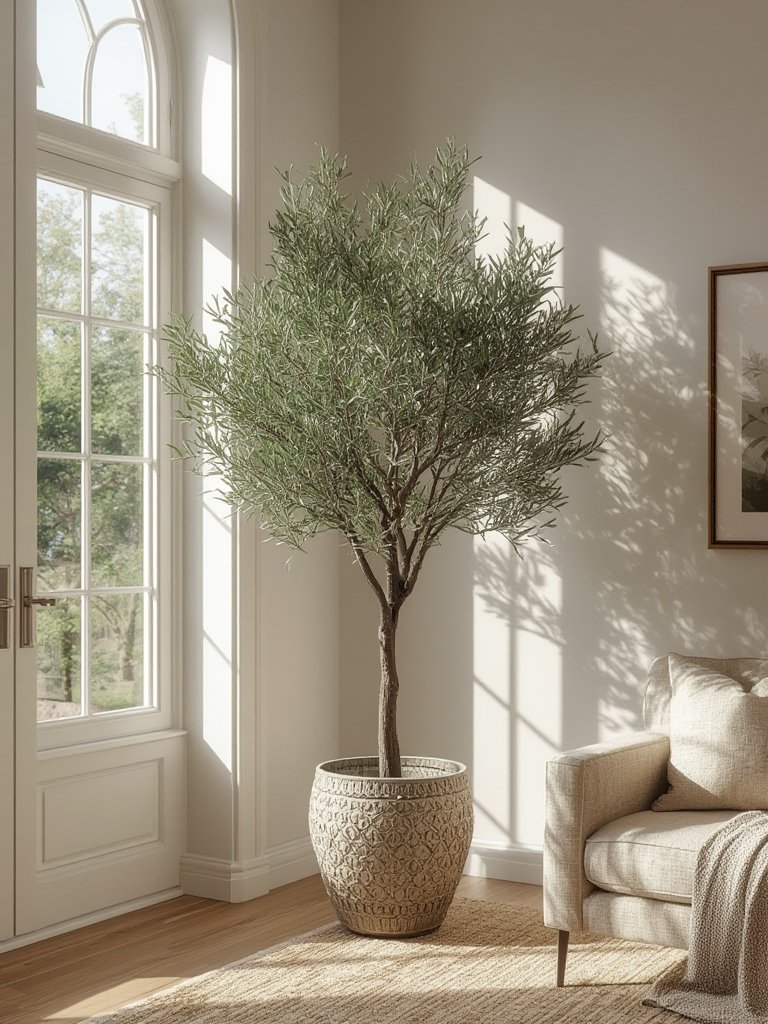
A quality fake olive tree is a smart shortcut to stylish, low-maintenance greenery and can easily outlast fussy real plants indoors. But as the market matures, small choices—like weighted pots, realistic details, and authentic sizes—separate the best from the rest. Prices are now stable and fake olive trees dominate the artificial foliage trend in 2024, but attention to build quality remains vital to avoid disappointment.
Ready to update your interior for the new season? Choose the fake olive tree that fits your style, then explore other smart, time-saving decor tips in our Neo Deco style guide for 2026 and cozy Christmas home decor ideas.
Questions about finding your perfect faux plant? Check out the FAQ below or browse our complete Art Deco furniture guide for more inspiration.
FAQ
How long does a fake olive tree last?
High-quality fake olive trees last five to ten years—sometimes longer—if you dust them regularly and keep them away from harsh direct sunlight, which can cause fading over time. Cheaper models may show wear much faster.
What makes fake olive trees look realistic?
The best models feature subtle variations in leaf color, textured bark, and non-symmetrical branching. Weighted pots keep them upright, and mature manufacturing processes add realistic leaf veins and soft-matte finishes.
Are fake olive trees safe for pets and kids?
Most artificial olive trees are safe if kept out of reach. Avoid models with small detachable parts or sharp wire branches if you have curious pets or toddlers.
How do I clean and maintain a fake olive tree?
Simply dust gently with a microfiber cloth or use a handheld vacuum on low. For stubborn dirt, wipe with a damp cloth. Don’t use harsh chemicals or soak the leaves—they can loosen the adhesives or warp the materials.
Is there any environmental impact to buying a fake olive tree?
There is currently little public data on the sustainability or VOC emissions of artificial olive trees. If this is a concern, consider using secondhand or recycled faux plants when possible and research the materials before buying.