

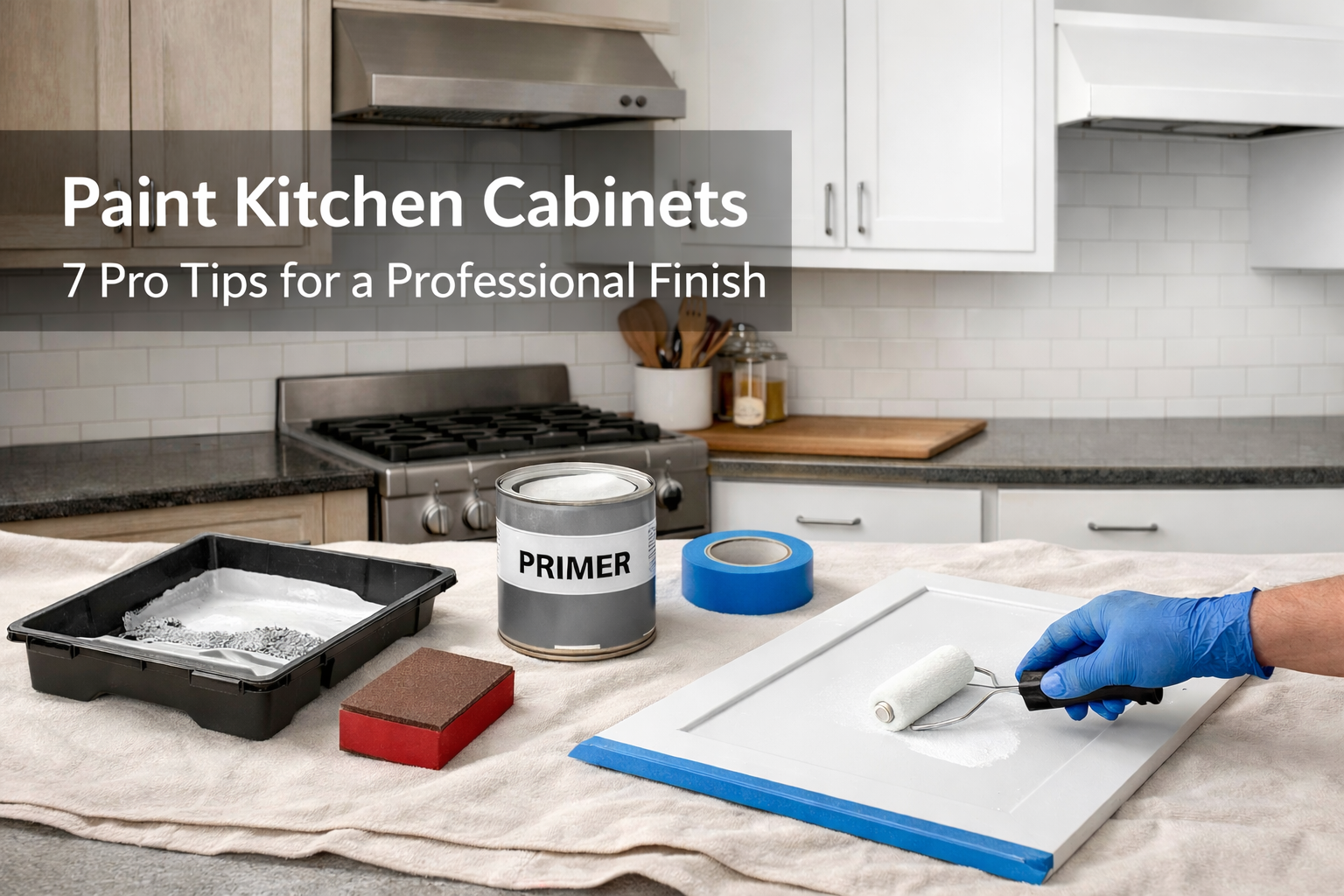
How to paint kitchen cabinets is a DIY project many homeowners attempt—but most underestimate how much prep, care, and technical know-how is actually required for a professional finish. Rushing or skipping steps can lead to regret, wasted effort, and cabinets that chip or peel sooner than you think. If you want to repaint your kitchen cabinets the right way (without making the most common mistakes), this no-nonsense, research-backed guide is for you.
Disclosure: As an Amazon Associate, I earn from qualifying purchases. This means when you purchase through links on this page, I may earn a small commission at no extra cost to you.
Key Takeaways
- Thorough cleaning, sanding, and priming are non-negotiable steps for durable kitchen cabinet paint jobs.
- Most mistakes happen before the paint even goes on—especially skipping degreasing or using the wrong primer.
- Premium paints, tools, and patience between coats are the key differences between a DIY look and a professional result.
- Understanding Kitchen Cabinet Painting: The What & Why
- Step-by-Step Guide: How to Paint Kitchen Cabinets for Long-Lasting Results
- Advanced Analysis & Common Pitfalls
- Conclusion
- Frequently Asked Questions
Understanding Kitchen Cabinet Painting: The What & Why
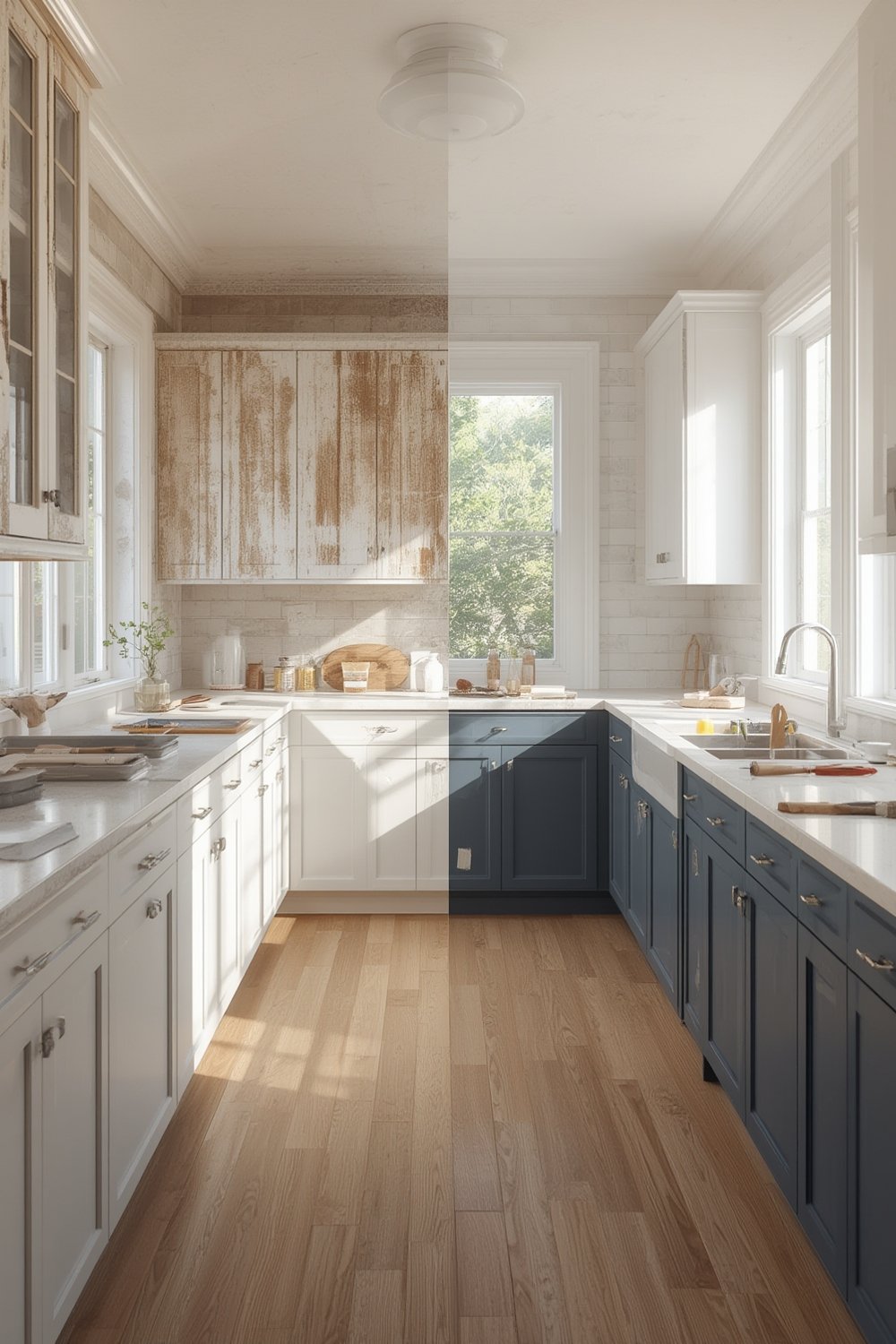
Painting kitchen cabinets means transforming your kitchen’s appearance and vibe—without the huge expense of a full remodel. But it’s not as simple as grabbing a brush and applying any leftover paint. Cabinets see constant handling, grease, and humidity. Cutting corners with cleaning, sanding, or priming will lead to disappointment: peeling paint, visible wood grain, or worn finish within months. That’s why both DIYers and pros must treat this job with serious preparation and care, using products suited for kitchens’ high-traffic, splash-prone environments.
This approach works best on real wood cabinets. If yours are laminate or thermofoil, skip painting and consider replacing the fronts, because paint simply won’t adhere well or last. Most articles miss this: painting is not a one-size-fits-all option—material matters.
Step-by-Step Guide: How to Paint Kitchen Cabinets for Long-Lasting Results
Follow these steps to avoid the major pitfalls that most DIYers encounter:
- Remove all doors, drawer fronts, and hardware.
Label each piece and its hinge location for easy reassembly. Place hardware in labeled bags.
- Thoroughly clean all surfaces.
Use a kitchen grease remover/degreaser (especially near the stove/handle areas). Don’t just wipe down—scrub until every trace of residue is gone. Grease is one of the top reasons for paint failure.
- Sand every surface to create “tooth.”
Start with 100–150 grit sandpaper. Sand with the wood grain for best results, then finish with 220-grit for a smooth touch. Remove dust with a tack cloth. Skipping this step leads to poor adhesion and peeling.
- Fill imperfections.
After sanding, fill nail holes or dents using wood filler. Let dry completely, sand flush, and dust off.
- Apply painter’s tape to everything you don’t want painted.
Protect walls, counters, and hardware mounting points.
- Prime with a quality oil-based primer.
This prevents stain bleed-through and gives paint a perfect surface to grip. Water-based primer isn’t as durable in kitchens. For stained cabinets, primer can reveal hidden gaps—fill these with wood filler or caulk before proceeding.
- Sand lightly after primer dries.
Use 220-grit to gently smooth brush marks or raised grains. Remove all dust.
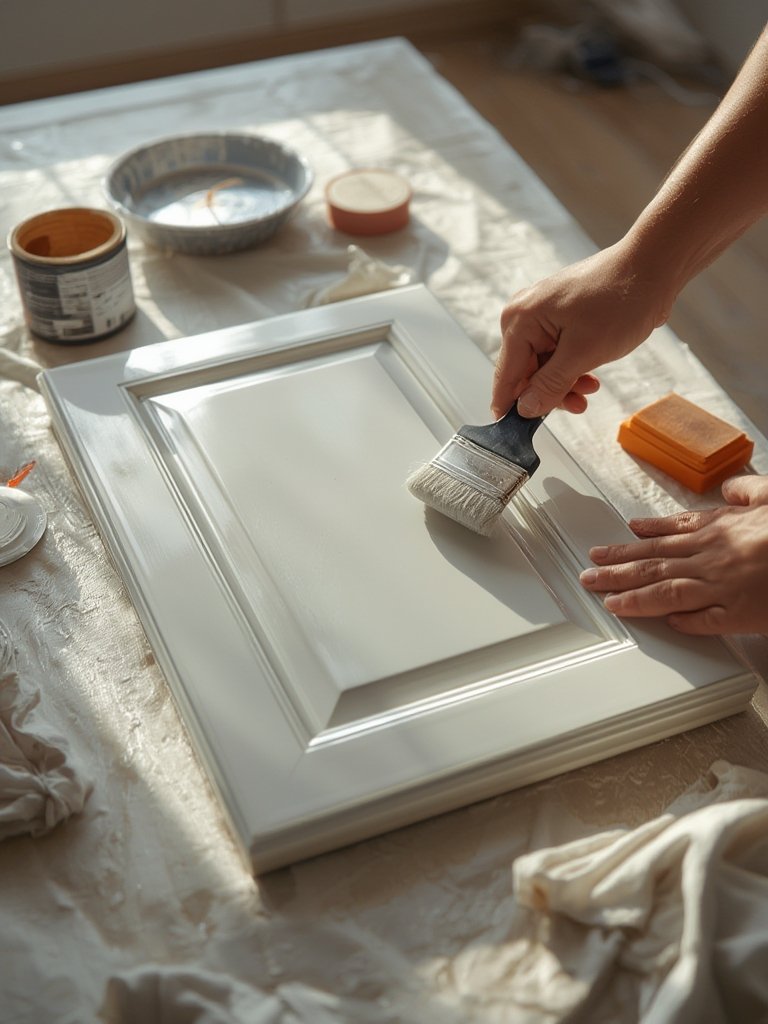
- Paint with a semi-gloss or satin kitchen-grade paint.
Use a high-quality nylon/polyester brush for corners and a microfiber roller for flat areas. Apply thin, even coats.
- Let coats dry fully—don’t rush.
Wait 24–48 hours between coats, and 7 days before reattaching doors to prevent sticking or marring the finish.
- Reinstall doors and hardware carefully.
Align doors correctly. Don’t forget to remove tape and do a final touchup where needed.
If you crave a kitchen upgrade with less chance for mistakes, consider consulting your local home improvement store for paint sample boards or investing in organizational upgrades at the same time. You might also want to check new favorites like a non-toxic air fryer to match your fresh kitchen look.
Advanced Analysis & Common Pitfalls
The most frequent regrets aren’t about paint color—they’re about durability, texture, and adhesion. Here’s what usually goes wrong (and why):
- Peeling or chipping paint: Nearly always from surface grease left behind, or failure to sand thoroughly. Even professional painters say the difference between amateur and expert results lies in obsessive cleaning.
- Stain or wood bleed-through: Skipping an oil-based primer allows wood tannins to seep into the finish, leaving yellowish or brownish blotches—especially with white paint. See this guide for video proof.
- Obvious brush marks or drips: Caused by using cheap brushes or rollers, or applying paint too thickly. Thin coats and quality tools matter most here.
- Sticky, dented, or marred finish: Rushing each coat or rehanging doors before paint has fully cured means doors will stick, chip, or get fingerprints—often requiring you to start over.
- Visible scratches: Sanding against the wood grain leaves permanent marks that appear after painting. Always sand with the grain.
- Edge paint chipping after reinstall: Not letting cabinets cure cure for seven days minimum causes finish failure as doors rub or slam.
| Product/Tool | Durability | Price | Finish |
|---|---|---|---|
| Oil-based primer (source) | High (seals wood, blocks stains) | Not specified | Smooth base for paint |
| Semi-gloss/satin paint (source) | High (kitchen-appropriate) | Not specified; higher quality recommended | Easy-clean, professional |
| Microfiber roller + nylon/polyester brush (source) | Enables lasting results | Best to invest in quality | Smooth, even |
Many top-ranking articles miss these points too:
- Don’t clean after sanding, only before.
- For stained cabinets, always fill in nail holes or wood gaps once primer exposes them.
- Material matters: Paint real wood—avoid painting over vinyl wraps, thin laminate, or thermofoil, which simply won’t hold up.
- Label every door and hinge set or you’ll struggle during reassembly (fit can vary pane by pane).
- Add a latex paint conditioner for brush-free smoothness on high-gloss paints—this single trick can make or break your result.
DIY projects are attractive for budget, but most users spend 7–10 days on the full cycle (including drying/cure) and don’t factor in the inevitable run for missing supplies. Professional painting costs aren’t well published, but the labor is significant compared to DIY, and pros rarely experience paint failures due to superior prep.
For more kitchen tips and smart upgrades you can pair with your cabinet overhaul, see our guides to kitchen essentials and practical kitchen gifts.
Conclusion
Painting kitchen cabinets is more about the preparation than the painting itself. Cleaning, correct sanding, oil-based priming, and patience with drying time are the foundations for a finish that truly lasts. Skipping any step risks chipping, peeling, and regretting your hard work. If you want beautiful DIY results, invest in high-quality products and time. Ready to transform your kitchen now? Use the steps above and reference this how to paint kitchen cabinets guide before you pick up a brush—your future self will thank you.
Have questions or want more home improvement advice? Explore our Art Deco furniture guide or dive into kitchen cabinet organization ideas for more inspiration and practical how-tos.
Frequently Asked Questions
How long should I wait before reattaching cabinet doors after painting?
Wait at least 7 days after your final coat before reattaching doors and hardware. This allows paint to fully cure and prevents sticking or chipping.
Can I skip primer if the paint says it is “paint and primer in one”?
For kitchen cabinets, never skip an oil-based primer—especially on stained or unpainted wood. All-in-one paints usually don’t prevent tannin bleed-through or withstand daily kitchen wear as a dedicated primer does.
What is the best paint sheen for kitchen cabinets?
Semi-gloss or satin finish paints are best for cabinets. They strike the right balance of durability, wipe-ability, and style. High-gloss is more difficult to touch up and shows imperfections; matte isn’t durable enough for cabinets.
How do I prevent brush marks when painting cabinets?
Use a latex paint conditioner, work with high-quality nylon/polyester brushes and microfiber rollers, and apply thin coats. Sand lightly between coats for a smooth finish.
Can I paint laminate or thermofoil cabinets?
It’s not recommended. Paint does not bond well or for long on laminate or thermofoil and will likely peel quickly. Painting is best reserved for real wood cabinets.