


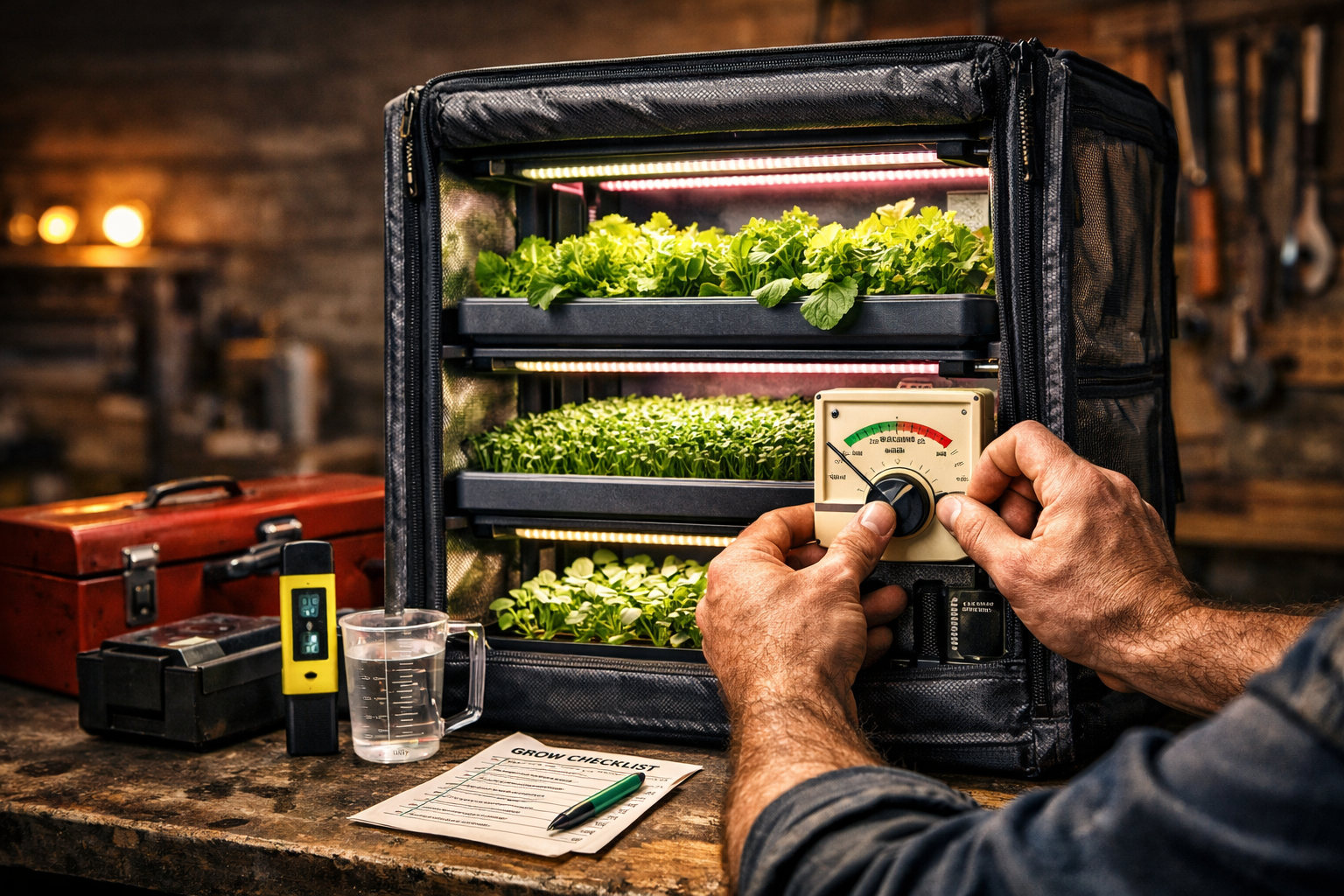
Indoor hydroponic system solutions are quickly changing how people grow food at home, offering a cleaner, more space-efficient alternative to traditional gardening methods.
Key Takeaways
- Indoor hydroponic systems are growing fast in popularity, especially in urban homes seeking sustainable, space-saving food production.
- While tech advances improve yields and automation, users still face issues with maintenance, long-term reliability, and setup costs.
- Not all brands or systems perform the same—direct cost and yield comparisons are lacking, so it pays to shop smart and understand real-life pitfalls.
- What Is an Indoor Hydroponic System? The Why and How
- How to Set Up an Indoor Hydroponic System (Step-by-Step)
- Advanced Analysis and Common Pitfalls
- Conclusion
- FAQ
What Is an Indoor Hydroponic System? The Why and How
An indoor hydroponic system lets you grow plants without soil, using a nutrient-rich water solution and artificial lighting. Instead of fighting outdoor weather and space limits, you create a controlled environment—often right inside your kitchen, basement, or spare room. Hydroponics is attractive for 2024 and beyond due to rising food prices, a desire for fresher produce, and the shrinking size of urban homes.
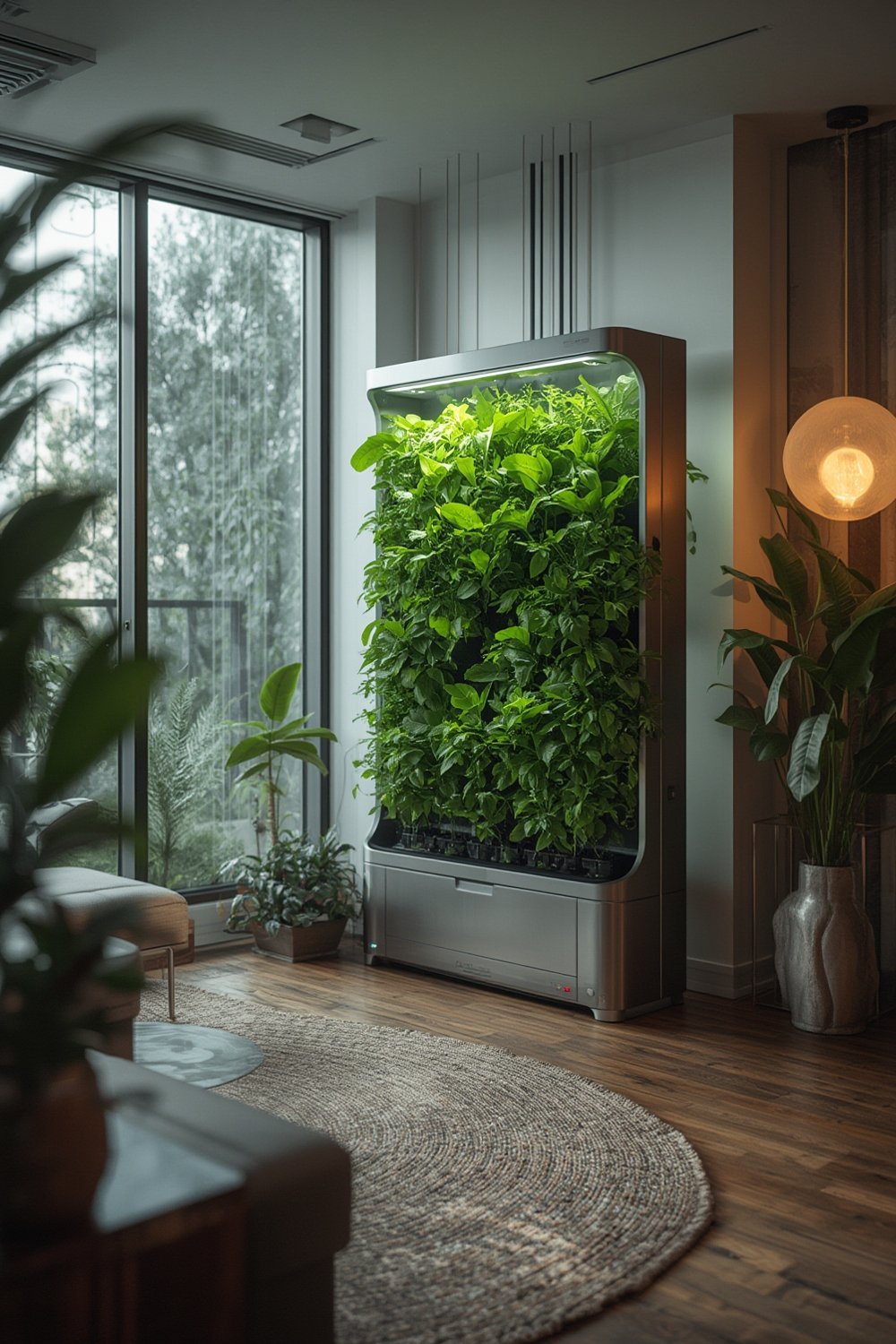
Recent market data shows the global hydroponics system market hit USD 12.58 billion in 2024, with home hydroponics alone worth $1.56 billion and climbing fast. Systems now commonly fit under 1,000 square feet—plenty for residential users. Smart kits, such as those from Gardyn or AC Infinity, promise “plug and play” simplicity. IoT and automation decrease hands-on work, but they also raise questions about real-world cost, reliability, and yield.
You’ve probably seen headlines about how hydroponics saves water and grows food twice as fast—yet, most guides skip the user experience realities. This post bridges that gap. We’ll show you how to set up a practical system, highlight key advances, and flag common pitfalls, all based on 2024 industry research and feedback.
If you’re already upgrading other zones in your home, you might like our guides on art deco furniture picks for a glam, space-efficient look or ways to create an organized kitchen with better air quality—two essentials for a modern urban lifestyle.
How to Set Up an Indoor Hydroponic System (Step-by-Step)
Setting up an indoor hydroponic system doesn’t have to be intimidating—even if you’re a beginner. Here’s a realistic, actionable guide that outlines exactly what to expect and how to avoid common headaches.
1. Choose Your System Type:
- Aggregate Systems (e.g., perlite, coco coir, or rock wool): Easier for beginners, less mess, and reliable for leafy greens or herbs. Simpler to maintain but can yield slightly less than pure liquid systems.
- Liquid-Based Systems (NFT, DWC, drip): More advanced, with roots suspended directly in nutrient solutions. Higher yields, but require careful monitoring of pH and nutrients. Best for those ready to “tinker.”
2. Gather Core Components:
- Reservoir: Stores nutrient water. Size depends on system and crop count.
- Pump/Aerator: Circulates water and/or oxygenates roots.
- Grow Lights: Full spectrum LED or fluorescent, 20-100W per square foot. Energy-efficient LEDs cut long-term costs, per 2024 research (grow lights).
- Growing Media: For aggregate systems—perlite, vermiculite, or rock wool cubes.
- Seeds or Seedlings (choose crops suited for hydroponics—most leafy greens, basil, tomatoes, strawberries).
- pH and nutrients Monitoring (optional but recommended): Kits with IoT sensors allow remote tracking and automation, reducing water/nutrient waste.
3. Setup Steps (generic method; kit instructions may vary):
- Position all components to maximize airflow and accessibility for maintenance.
- Assemble reservoirs and pumps, ensuring watertight connections.
- Install the lighting system, adjusting height for crop type.
- Add growing media and plant seeds or seedlings. Anchor them carefully to prevent tipping.
- Mix and fill the reservoir with the correct nutrient solution. Follow dosing precisely; overdosing can kill plants fast.
- Plug in pump and lights. Set timer protocols (many kits now have built-in automation and phone controls).
- Monitor daily for the first two weeks. Track moisture, nutrient levels, and root health, especially if using a DIY rig.
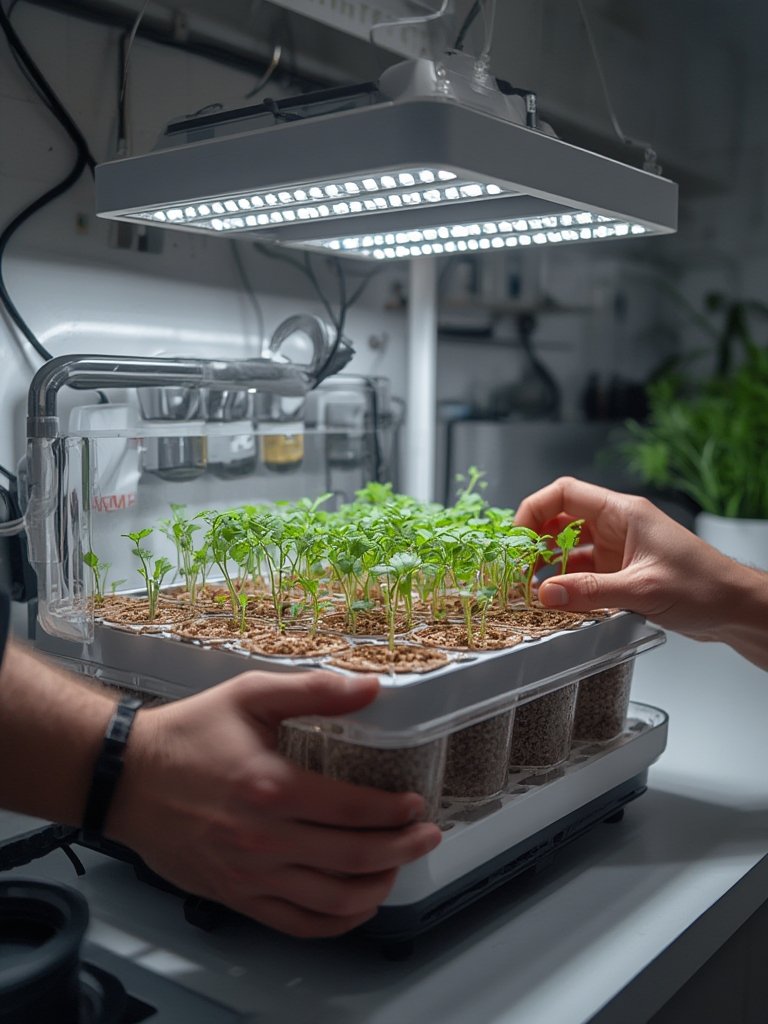
4. Routine Maintenance:
- Top up water levels every 2-3 days (systems lose water faster in dry rooms).
- Check pH and nutrient concentrations weekly—most issues come from letting these drift too high or low.
- Clean out the reservoir and tubing every 2-4 weeks. Algae and gunk build up quick, especially in warm, sunny rooms.
- Inspect for root rot or pest problems. Hydroponic systems reduce soil pests but aren’t immune to mold or aphids.
Interested in gadgets that pair well with your hydroponic setup? Try a non toxic air fryer for healthy kitchen upgrades, or consider smart kitchen essentials to boost daily efficiency.
Advanced Analysis and Common Pitfalls
While the benefits of indoor hydroponic systems are real, user feedback and 2024 market reports reveal persistent gaps and challenges that don’t always make it into glossy product descriptions.
User-Reported Issues Not Often Covered:
- Automation failures: Smart kits are only as good as their sensors and software. Glitches cause missed waterings or wrong nutrient dosing, resulting in stunted crops or dead plants.
- Nutrient imbalances: Especially common with liquid-based systems and inexperienced users. Minor pH swings can cause yellowing leaves, slow growth, or “mystery” failures.
- Maintenance surprises: While many systems promise low-maintenance, tasks like cleaning out algae, unclogging pumps, and recalibrating sensors are still required every few weeks.
System Cost and Yield Comparison:
Direct, apples-to-apples comparisons between Gardyn, AC Infinity, and simpler Self-watering Kit systems are rare—but here is a realistic breakdown based on available data:
| System Type | Initial Setup Cost | Ongoing Costs | Maintenance | Average Yield* |
|---|---|---|---|---|
| Self-watering Kit | $50-$150 | Low (mainly water/nutrients) | Simple; every 2-4 weeks | Basic for leafy greens |
| AC Infinity Grow Tent | $250-$700+ | Moderate (energy for lights/fans) | Medium; monthly system checks | High (wide crop variety) |
| Gardyn (all-in-one) | $700-$1200+ | Moderate (subscription + power) | Low to medium (mostly automated) | High, with automation |
*Direct yield data by weight/plant count is missing in major research. Liquid systems typically outperform aggregate in growth speed and volume. Source: 2024 Home Hydroponics Market Report
Technical Specs That Matter:
- Lighting: Full spectrum LED grow lights (20-100W/sq ft); dimmable options save power
- Reservoir Volume: 2-20 gallons common for home kits
- Automation: App-based timers, nutrient sensors, automatic pH adjustment (best in premium kits)
- Grow Media: Rock wool, perlite, or direct liquid immersion
Environmental & Sustainability Benefits (with caveats):
- Uses 20-50% less water than soil-based systems (source), and up to 10% less than conventional agriculture (source).
- Energy-efficient LEDs and improved HVAC cut costs, but total electric usage can be substantial if grow lights run 12+ hours/day.
- Automated IoT controls help avoid overwatering and fertilizer waste—just be aware that app failures do sometimes happen.
If you want a low-maintenance greenery fix but aren’t ready for full hydroponics yet, check out our practical tips on buying a cat enrichment toy (great for indoor pets who might snack on your greens) or grab an insulated tumbler to keep drinks at hand while you garden.
Conclusion
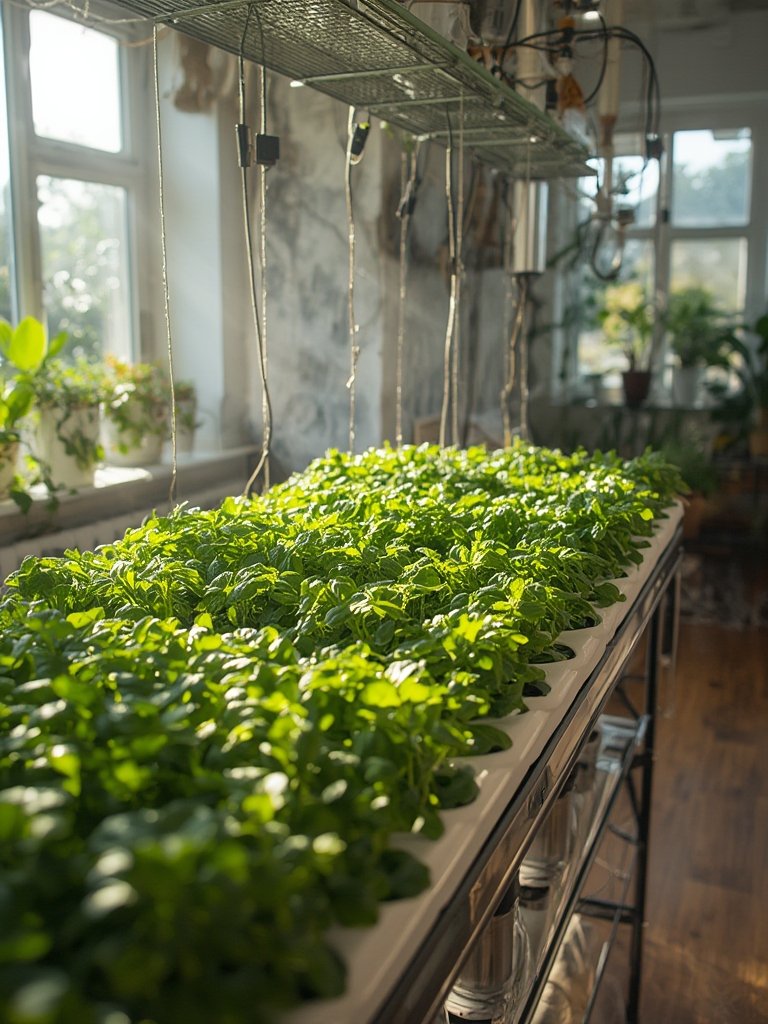
The world of indoor hydroponic systems is growing rapidly, with market value, home adoption, and smart tech on the rise. But “high-tech” doesn’t mean “hands-off”—even the best setups need regular cleaning, sensor checks, and honest troubleshooting. For optimal results, study system requirements, don’t skip on upfront research, and be ready for the occasional curveball. The rewards—space savings, water efficiency, and fresh crops—make it a practical choice for many households. Ready to upgrade your home with an indoor hydroponic system? Start small, learn as you go, and watch your garden thrive—indoors.
FAQ
Do indoor hydroponic systems really use less water than soil gardening?
Yes. They typically use 20-50% less water by recirculating nutrients and targeting roots directly, according to 2024 analysis.
What are the biggest maintenance tasks for a home hydroponic setup?
Monitoring pH and nutrients, cleaning reservoirs and pump parts every 2-4 weeks, and checking for clogged lines or algae growth. Automated systems simplify some checks but don’t eliminate cleaning needs.
What crops are easiest for hydroponic beginners?
Leafy greens like lettuce, arugula, spinach, and herbs (basil, mint) are most forgiving. Tomatoes and strawberries work too but require more monitoring.
Is an all-in-one system like Gardyn or AC Infinity worth the extra cost?
If you want automation and don’t mind the higher upfront investment, these systems simplify monitoring and can yield larger harvests. DIY is cheaper but requires more setup and troubleshooting. Direct cost-to-yield data is limited, so consider your own priorities.
Can I combine hydroponics with traditional soil houseplants?
Yes, many people do. Just keep hydroponic systems separate to avoid cross-contamination and make sure both get the lighting and humidity they need.
Disclosure: As an Amazon Associate, I earn from qualifying purchases. If you purchase through my affiliate links, I may receive a small commission, and it won’t cost you anything extra.