


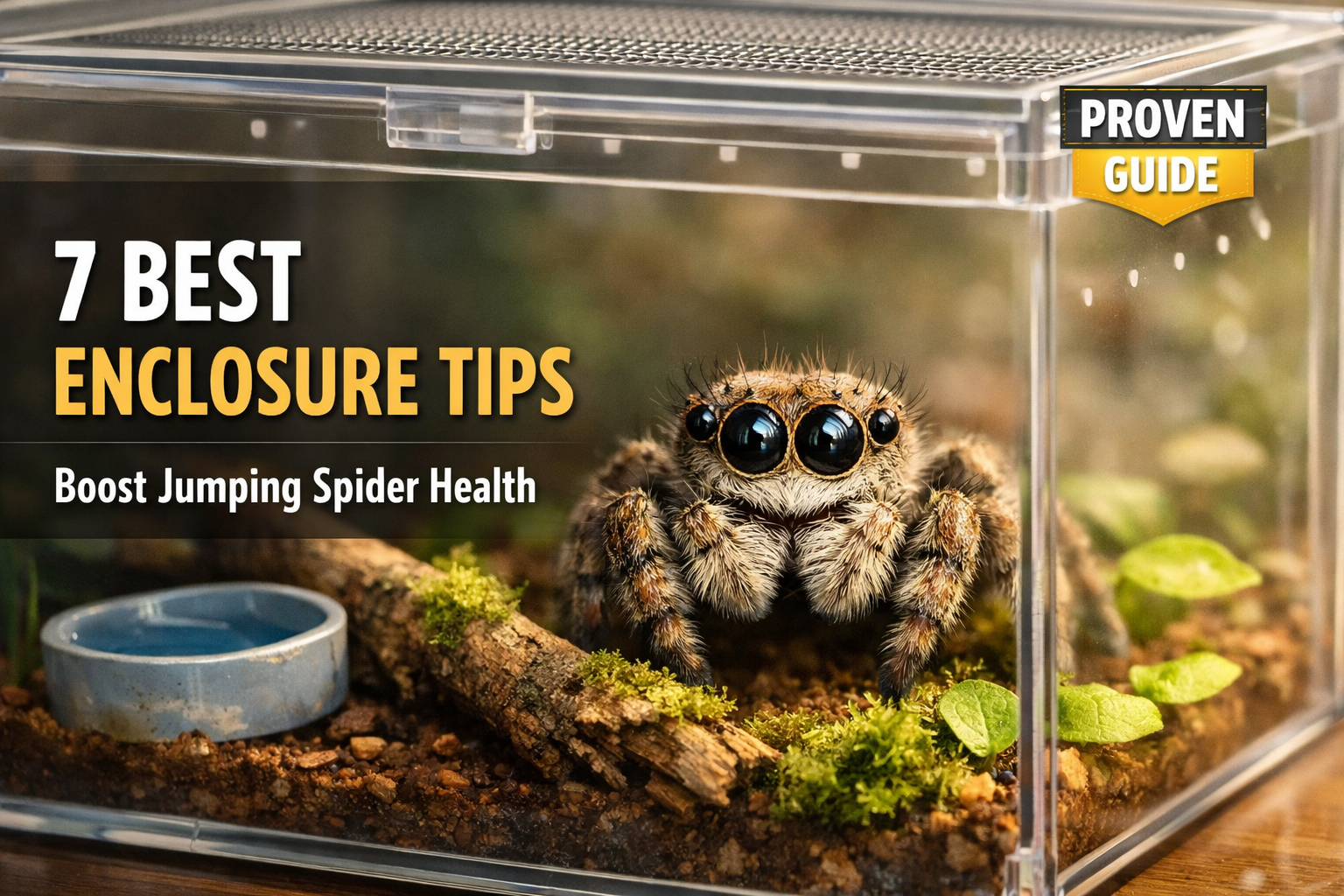
Jumping Spider Enclosure selection and setup can mean the difference between a thriving pet arachnid and a quickly escalating list of headaches. Get actionable answers here—no guesswork.
Key Takeaways
- Proper ventilation (20-30% surface area) and secure locking are essential to prevent mold and spider escapes.
- Acrylic or glass commercial enclosures cost $14-$50 in 2024; cheap DIY alternatives risk higher escapes and humidity issues.
- Ongoing monitoring and maintenance—species-specific humidity, cleaning, and enrichment—are often overlooked but critical for spider welfare.
- Understanding Jumping Spider Enclosures
- Step-by-Step Guide: Optimal Setup
- Advanced Analysis & Common Pitfalls
- Conclusion
- Frequently Asked Questions
Understanding Jumping Spider Enclosures
Jumping spider enclosures are specialized habitats designed to keep active, curious arachnids contained, healthy, and visible. Unlike general terrariums, these enclosures must balance humidity, airflow, security, and vertical space. In 2024, the market has shifted toward clear acrylic or glass boxes with top and side mesh ventilation, stackable modular forms, and tight-fitting lids with locks. This trend is driven by social media popularity and a global reptile enclosure market valued at $1.5 billion, projected to grow by nearly 8% each year through 2032. See latest industry data.
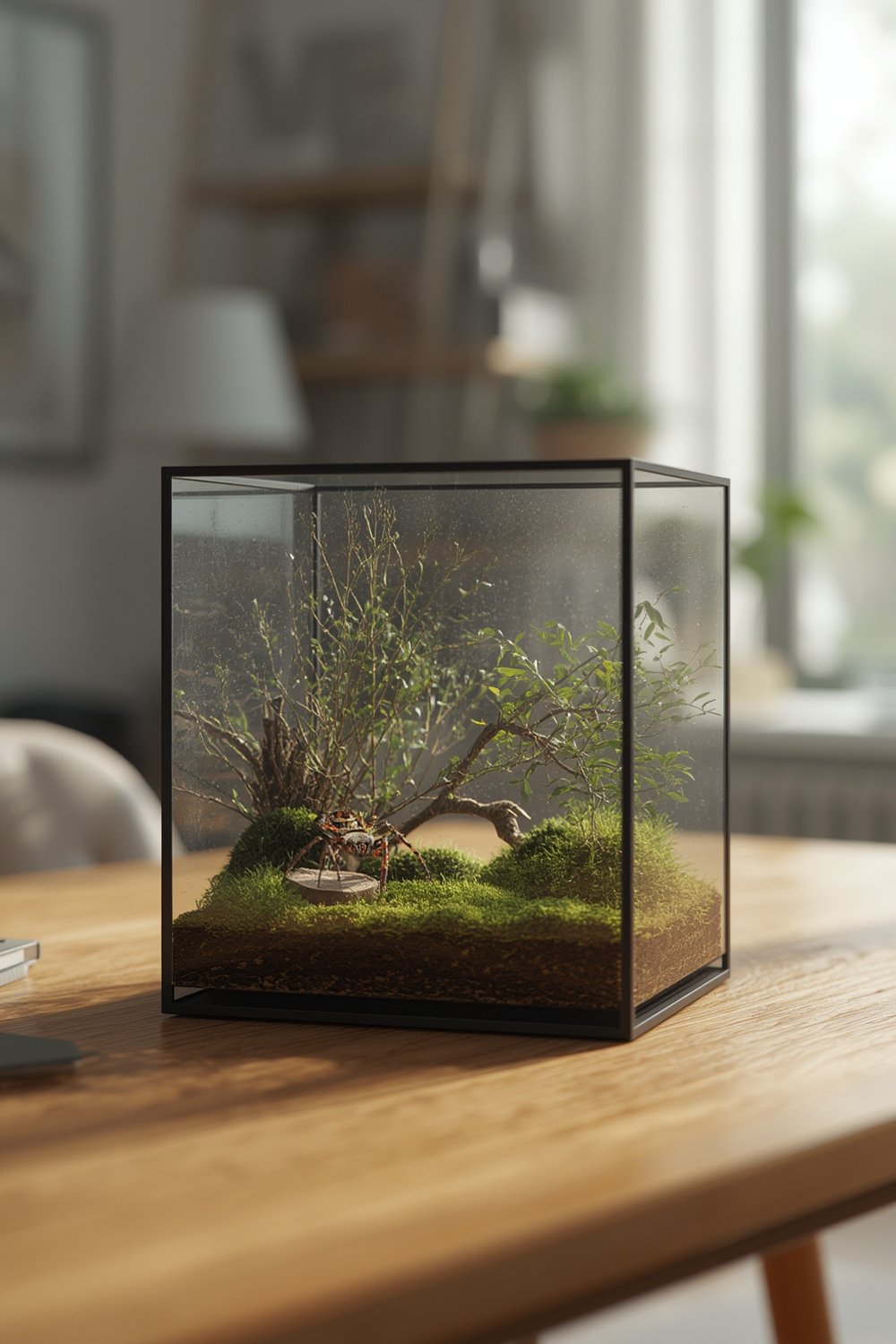
High demand has sparked a range of products: compact glass terrariums, clear acrylic cages, and hybrid setups that support both visibility and controlled air movement. Enclosure prices range from $13.99 for a basic kit to $50 for bioactive models, with ongoing improvements in escape prevention and ease of cleaning. For buyers, commercial solutions often outperform basic DIY approaches by avoiding gaps and over-drying. For more on how smart enclosure choices fit into organized, healthy home environments, see these kitchen air quality tips for comparison.
Step-by-Step Guide: Optimal Setup
-
Choose the Right Dimensions and Material:
- Minimum size: 5x5x7 inches or 1 gallon. Prioritize height for climbing.
- Material: Pick clear acrylic or glass—avoid plastic unless it’s secure and well-vented.
-
Prioritize ventilation:
- Ensure mesh tops or side vents total at least 20% of enclosure surface for airflow.
- Avoid “sealed” plastic—jumping spiders die quickly from mold or stale air.
-
Verify Security and Escape-Proofing:
- Lid must fit tightly—no gaps larger than 1 mm, as spiders flatten to squeeze through.
- Front doors should be magnetic or snap-lock lids to prevent curious pets, kids, or the spider itself from opening them.
-
Setup Substrate and Enrichment:
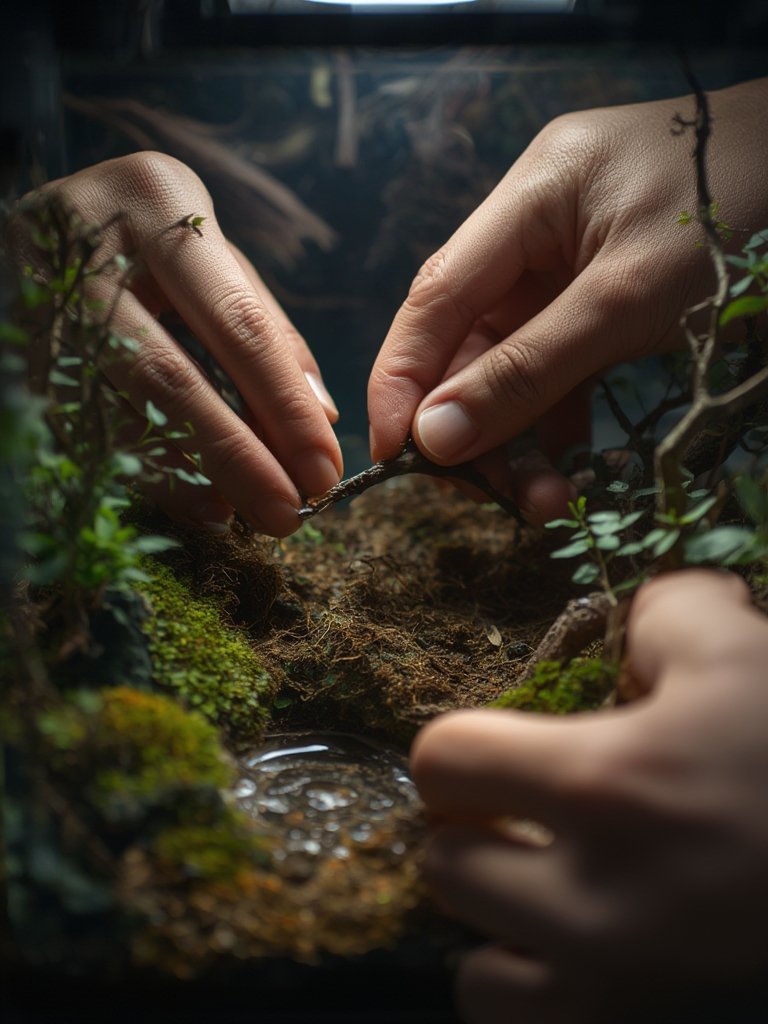
- Use 2-3 cm of clean, non-pesticide soil or coconut fiber; consider live moss for bioactive setups.
- Add several vertical and angled climbing branches or fake plants to encourage jumping and hunting.
-
Monitor Humidity and Temperature:
- Install a digital hygrometer and thermometer for accurate readings. Target 50-70% humidity and 70-80°F for most species.
- Mist lightly as needed, avoiding waterlogging which causes mold.
-
Routine Maintenance:
- Remove uneaten food within 24 hours.
- Clean surfaces and substrate weekly. Refresh substrate monthly if bioactive.
- Monitor for mold, pests, and behavioral changes in your spider.
Want to simplify your cleaning routine or find pet-safe, non-toxic tools for your home? Read our guide on choosing non-toxic appliances for safer pet and family living.
Advanced Analysis & Common Pitfalls
Top-ranking articles rarely address issues beyond basic setup, yet three major mistakes quickly appear for real keepers:
- Lack of Species-Specific Humidity Monitoring: Each jumping spider species has its own humidity sweet spot. Overly generic enclosures can stress, dehydrate, or even harm spiders if digital tracking is skipped.
- Ignoring Long-Term Substrate Care: Bioactive setups are hyped, but without a plan for live plant maintenance and regular spot-cleaning, mold and mites become rampant—particularly in poorly ventilated boxes.
- Forgetting Precise Monitoring Gear: Most guides skip the details on installing digital hygrometers/thermometers. Without these, gradual swings in conditions often go unnoticed until issues (or escapes) arise.
Commercial enclosure costs versus DIY solutions are detailed below:
| Model Type | Material | Volume | Ventilation | Average Price (2024) |
|---|---|---|---|---|
| Mini Glass Terrarium | Glass + Mesh Lid | 1 gal | Top mesh (25%) | $25 |
| Acrylic Habitat Box | Clear Plastic | 1.5 gal | Side vents (15%) | $18 |
| Tropical Mesh Cage | Fine Metal Mesh | 2 gal | Full-panel (60%) | $35 |
| Hybrid Bioactive Setup | Glass + Front Mesh | 2 gal | Front & top (40%) | $50 |
DIY enclosures are cheaper upfront (using food jars or plastic boxes) but bring big risks: poor ventilation, misfit lids, molding substrate, and higher spider escape rates. Maintenance often turns into a weekly battle against bad smells. Commercial solutions, by contrast, are not only more escape-proof and hygienic—they also align with best practices in spider welfare.
For inspiration on how pet enrichment and proper setups keep animals happier (not just spiders), you might also like our guide on interactive cat enrichment for every activity level.
Some users also overlook import or safety regulations. While most countries have few if any restrictions on enclosures, jumping spider species and pet insects can face local wildlife laws—always verify your pet is legal before buying. For a full industry view, see the latest jumping spider enclosure trends.
Conclusion
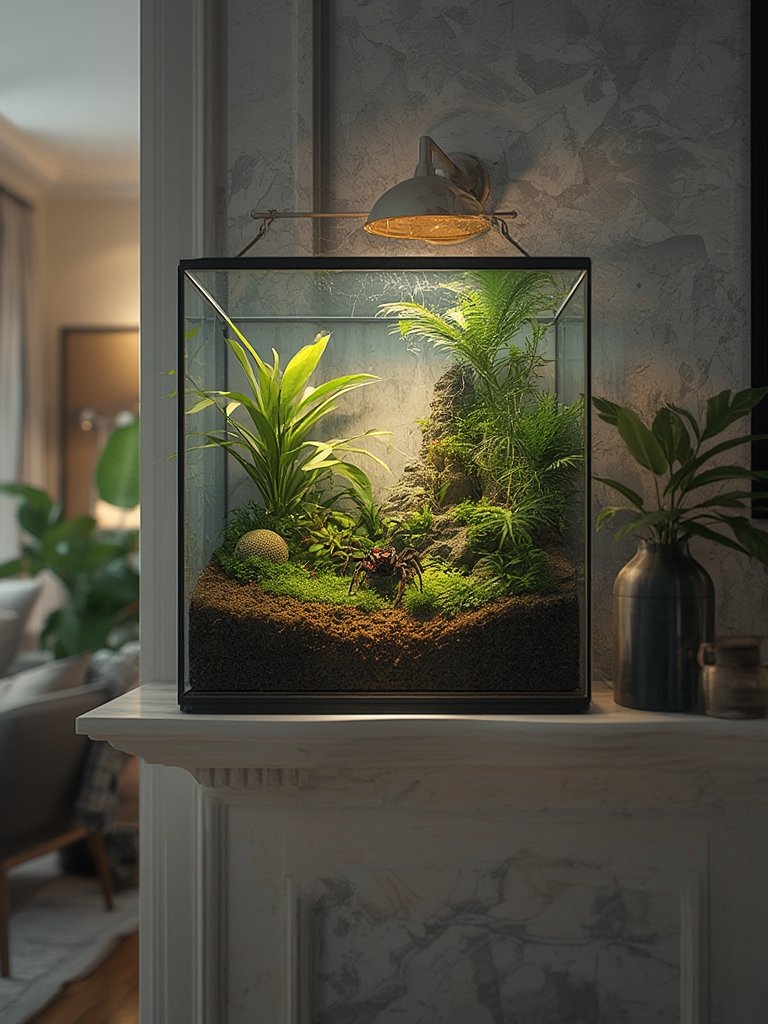
A well-chosen Jumping Spider Enclosure delivers safety, visibility, and the right environment for your pet. Most DIY setups sacrifice reliability for cost, while a commercial acrylic or glass model with tight-fitting mesh and digital monitoring eliminates the biggest risks. No setup is truly “set and forget”—ongoing humidity tracking, periodic deep cleaning, and enrichment tweaks are essential for long-term spider health. Ready to upgrade your spider’s world? Get an enclosure that does the hard work for you.
Explore more ways to organize your home and enrich your pets’ lives—see our smart home upgrades or check out the essential enrichment ideas for indoor cats for more actionable tips.
Frequently Asked Questions
What size enclosure is best for a jumping spider?
The consensus for adult jumping spiders is a 1-2 gallon (about 5x5x7 inches minimum) enclosure—prioritizing height over floor space—to allow jumping and web building.
How do I prevent escapes from my spider enclosure?
Use enclosures with tight-fitting lids, no gaps wider than 1 mm, and select magnetic or lockable doors. Avoid DIY setups with poorly fitting tops or large holes.
How do I maintain humidity and ventilation without causing mold?
Install a digital hygrometer, aim for 20-30% mesh or drilled hole ventilation, and mist sparingly. Use a loose, airy substrate and remove uneaten food quickly to prevent mold.
Are commercial enclosures worth the price over DIY?
Yes, for long-term reliability. Commercial enclosures in 2024 lower humidity and escape risks, plus they are easier to clean. DIY options are cheaper but often riskier for escapes and mold.
Can I use live plants or bioactive setups in a jumping spider enclosure?
Yes, but only if you closely monitor moisture and use safe, pesticide-free plants with a plan for regular cleaning. Bioactive setups require more work to prevent pests and mold.