


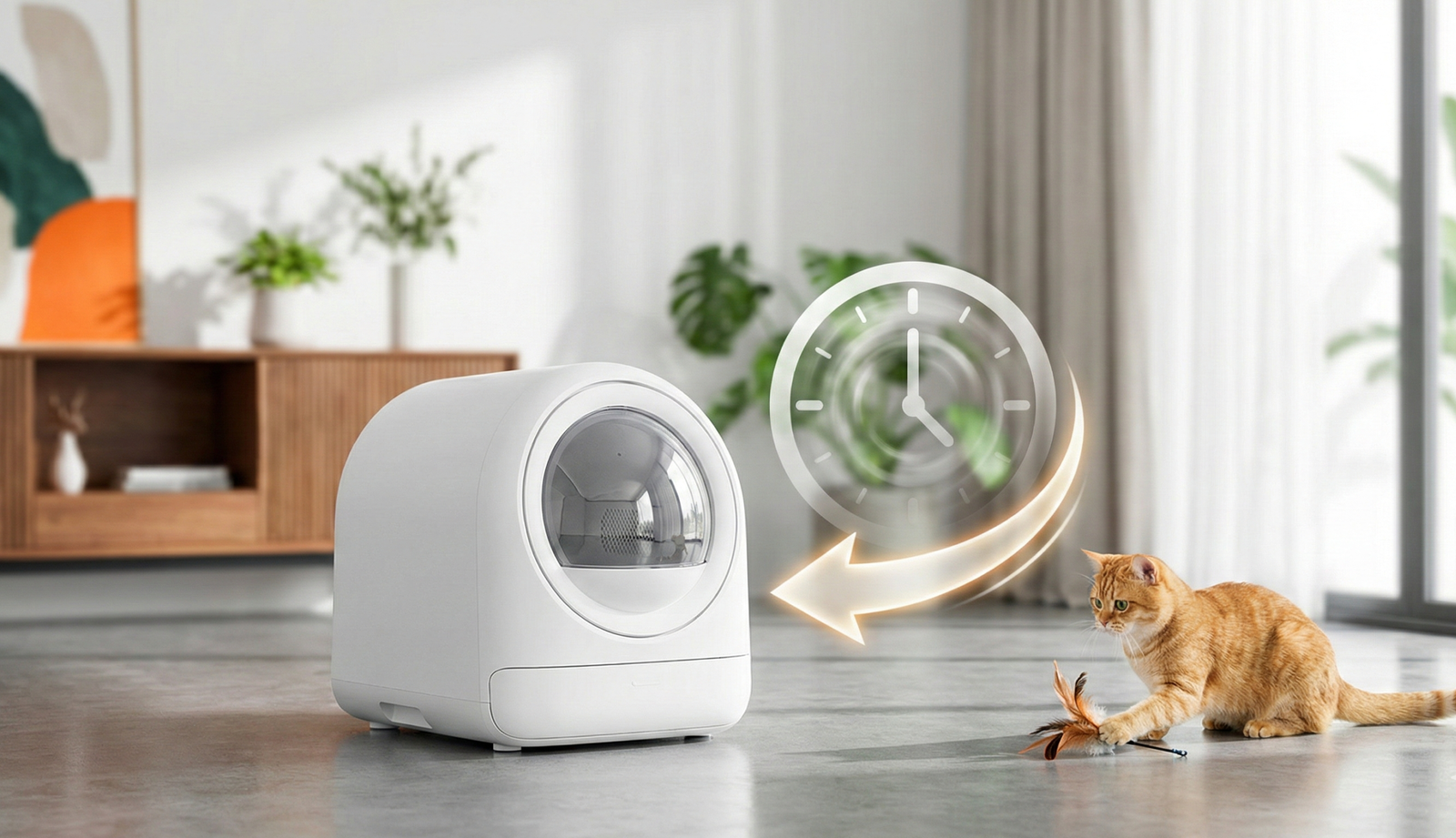
Litter Robot is one of the most talked-about innovations in cat care, promising a near-end to messy scooping and strong odors for modern pet owners. But does it actually deliver a better experience than traditional or other automatic litter boxes? In this guide, you’ll get a real-world breakdown—shortcomings included—and actionable advice for getting the most out of self-cleaning litter boxes in 2024.
Key Takeaways
- Automatic litter boxes like Litter Robot lessen daily maintenance but can be bulky and require learning new upkeep routines.
- Sensor quirks, cleaning difficulties, and costs are common user pain points—especially in multi-cat homes.
- Comparing Litter Robot to PuraMax and other brands reveals major differences in size, convenience, and support for apartment living.
- What Is an Automatic Litter Robot and Why Consider One?
- Step-by-Step Guide: Using and Maintaining an Automatic Litter Robot
- Advanced Analysis & Common Pitfalls
- Conclusion
- Frequently Asked Questions
What Is an Automatic Litter Robot and Why Consider One?
The Litter Robot is a self-cleaning litter box that automates cat waste removal by sifting litter inside a rotating globe and separating clumps into a hidden waste drawer. Unlike basic boxes or simple sifting trays, this system promises a huge reduction in daily scooping while offering smart features like app tracking and odor-locking drawers.
People consider a Litter Robot or competitors like PuraMax for several reasons:
- Reducing hands-on scooping—some users report workload cut by up to 90%.
- Automated cleaning cycles that help keep the box fresh even in multi-cat homes.
- App-based insights to monitor cat health (by tracking litter box visits or weight changes).
- Claimed long-term odor control, especially with regular drawer emptying and filter changes.
With cat owners seeking clean homes and less daily hassle, devices like the Litter Robot have surged in interest among apartment dwellers, tech enthusiasts, and especially parents of multiple cats.
However, real-world experience, user reviews, and expert insights show that not all features are equally valuable—and some downsides go unmentioned in most guides. If you’re already looking at modern cat tech, you might also be interested in interactive cat toys that actually work for even more boredom-busting ideas.
Step-by-Step Guide: Using and Maintaining an Automatic Litter Robot
- Choose an Optimal Location
- Pick a place with access to a power outlet and enough space—Litter Robot needs major clearance (often 30+ inches deep and wide).
- Ensure the floor is flat. Uneven or sloping surfaces can cause sensor errors or faulty cycles. For older apartments, this may mean using a leveling mat or rearranging furniture.
- Follow Assembly Instructions Precisely
- Snap together the base, globe, bonnet, and waste drawer. Improper alignment can cause function errors.
- Double-check that the unit isn’t touching a wall—both Litter Robot and PuraMax need a gap behind and beside for clean globe or drum rotation.
- Fill with Litter (Don’t Overfill)
- Pour the manufacturer-recommended type and amount. For Litter Robot, use a clumping, unscented clay litter for best sifting and odor control.
- Add only up to the fill line—overfilling can jam the sifting system or trigger error lights.
- If there’s no visible line (as in some PuraMax models), weigh your litter or observe the first cycle to avoid waste or messes.
- Acclimate Your Cat
- Don’t expect instant use—let the box sit unplugged for the first 1-2 days so your cat investigates without movement.
- If you’re switching from a standard box, move some dirty litter or solid clumps to the new unit.
- Start with manual cycles at first so the sifting mechanism doesn’t spook curious or shy cats.
- Set Up and Use the App
- Connect to WiFi for firmware updates, cycle notifications, and tracking your cat’s weight or visit frequency.
- The app is especially useful in monitoring usage for multi-cat households—or checking if your cat is avoiding the new box.
- Regular Maintenance Cycle
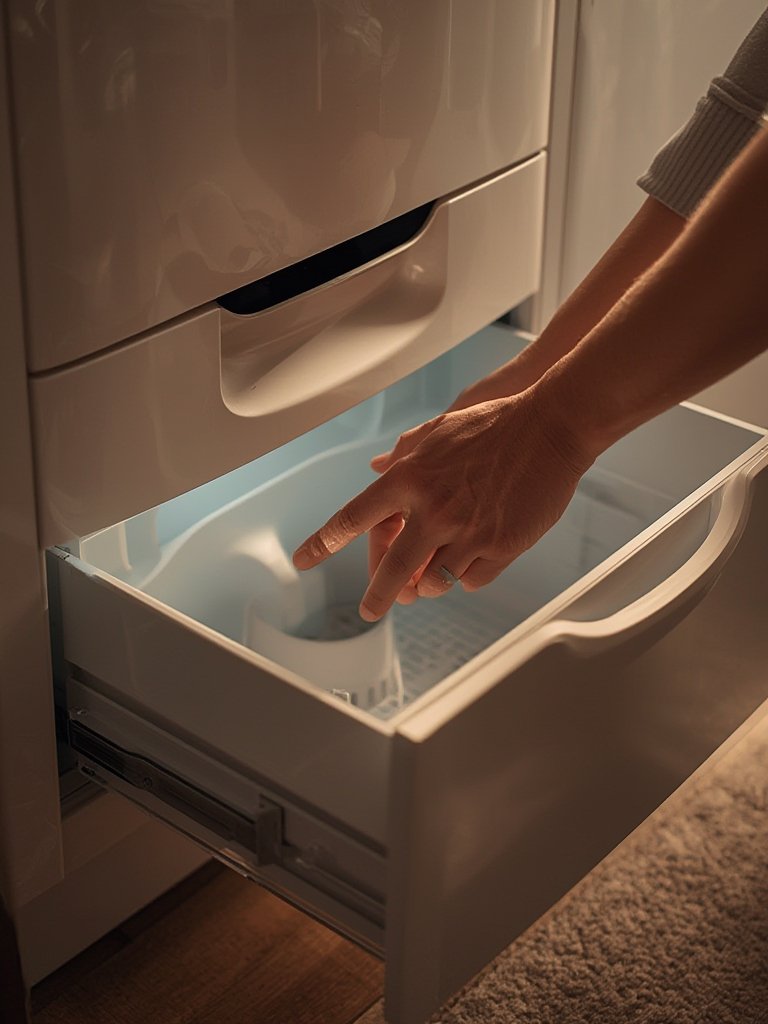
- Empty the waste drawer at least weekly—more often if you have 3 or more cats (for 5 cats, it fills fast).
- Wipe down the globe interior every 2-3 weeks to remove ear-level buildup, using pet-safe cleaner.
- Check for urine or litter tracking outside the unit—resolve immediately to avoid build-up or damage.
- Order replacement liners or waste bags proactively; Litter Robot’s special elastic bags are hard to substitute and don’t stay in place if skipped.
- Quarterly Deep Clean
- Disassemble and wash removable parts as needed; plan for drying time as globes and drums are not dishwasher safe.
- Inspect for sensor dust, stuck litter, or hair—these can cause false error cycles and require gentle clearing.
Want to prevent odors in other areas of your home too? Organize smarter by upgrading your space with cozy kitchen gifts or check out non-toxic air fryer options for a healthier environment.
Advanced Analysis & Common Pitfalls
While automatic litter boxes promise hands-off cleaning, the experience varies depending on home layout, number of cats, and expectations. Here are the pitfalls that matter most—drawn from extensive user feedback and side-by-side technical breakdowns:
1. Size and Space Limitations
- Litter Robot is genuinely huge—difficult to fit in small apartments or narrow closets. Some users with houses also find it intrusive.
- PuraMax and similar compact models are better for small spaces, but require at least a foot clearance from walls to prevent cleaning jams.
2. Maintenance Messes
- Removing the waste drum or barrel for deep cleaning often leads to urine or dirty litter dripping onto floors, especially in models lacking sealed removal systems.
- Litter Robot requires proprietary elastic bags—these are essential, as generic bags often slide out of position, causing a bigger mess. The bags themselves become an ongoing expense not every buyer expects. (source)
3. Sensor Quirks and App Learning
- Both the Litter Robot and PuraMax use sensitive weight or motion sensors. These can pause cycles due to minor cat paw taps or human activity nearby, which sometimes means the box stays dirty or never completes a cleaning round.
- Setting up the app is easy if your WiFi is strong, but firmware errors can send false notifications. Lightweight cats (under 5 pounds) may not always trigger the sensors properly, leading to waste buildup.
4. Multi-Cat Usage: Unserved Needs
- Owners with 3 or more cats face a rapidly filling waste bin, regardless of product. For 5 cats, users empty bins weekly despite generous bin size (source).
- Cats’ ears brushing globe interiors result in dirty buildup, which requires regular inside wiping—rarely mentioned in ads or manuals.
5. Cost Factors
- Upfront costs for Litter Robot are often higher than smaller models, especially after factoring in shipping limitations to certain locations.
- Ongoing costs include special bags, clay litter, and filters. These are rarely factored into buying decisions. If you want to keep your pet costs predictable, reviewing other indoor cat essentials or comparing litter box reviews helps set expectations.
| Feature | Litter Robot | PuraMax | Other Notes |
|---|---|---|---|
| Cleaning Cycles | Automatic post-use, globe-based sifting (cycle time variable; not specified in manual) | Automatic post-use, can delay by 3 min; up to 1-min cycle; drum rotation/roller sifting | Sensors pause for movement or paw taps; can lead to cycle delays |
| Odor Control | Not explicitly rated; relies on drawer seal and fast cycle | Includes replaceable clay filter; drawer seal; captures odor better with regular filter changes | – |
| Noise Level | Moderate to quiet, but not silent | Described as quiet by most users (user reviews) | |
| App Integration | Tracks visits and weight (with some models); WiFi setup | Instant app pairing; tracks duration, litter changes, delay/weight; customizable intervals | |
| Size | Very large, needs ample floor space—not suited to small apartments | More compact, but small opening; suitable for apartments and large cats | PuraMax better for tight spaces but less accessible for big cats due to entrance size |
| Cost of Ownership | Upfront high; requires proprietary bags; warranty specifics vary; ongoing bag/litter costs | Lower upfront; periodic waste basket and filter swaps; standard clumping litter | Neither are cheap long-term (filters/bags) |
For more detailed user experiences and product analysis, see this independent PuraMax review.
Conclusion
Automatic litter solutions like the Litter Robot are a big shift from manual scooping—bringing ease, better odor control, and smart features that help busy cat owners. Yet, they introduce new upkeep routines, sensor quirks, and space challenges that you need to plan for, especially in small homes or multi-cat households. If you’re balancing convenience, cost, and cleaning, always review both pros and cons before committing. The Litter Robot can be a fantastic upgrade for the right setup, but it isn’t always a “set and forget” solution. Want more ways to level up your home for your pets? Explore kitchen upgrades or learn how Art Deco furniture can make small spaces feel bigger and brighter.
Ready to try an automatic litter solution or refine your cat care routine? Compare real models and user experiences for your lifestyle—and don’t hesitate to share your wins and lessons with fellow cat owners.
Frequently Asked Questions
Do automatic litter boxes like Litter Robot work for all cats?
Most healthy adult cats will use a Litter Robot after a short adjustment period, but kittens under 5 pounds may not reliably trigger sensors. Shy or skittish cats may need longer acclimation.
How often does the Litter Robot waste drawer need to be emptied?
In single-cat homes, once a week is usually enough. For homes with 3 or more cats, plan to empty the drawer every 2 to 4 days to prevent overflow and odors.
Can I use regular kitchen garbage bags in my Litter Robot?
No—most Litter Robot owners find generic bags don’t stay put. The unit is designed for elastic, proprietary waste bags, and using substitutes frequently causes messes.
Do self-cleaning litter boxes reduce odor better than manual boxes?
They can, if you keep up with drawer emptying and filter changes. However, poor maintenance or overfilling can lead to stubborn smells, especially in homes with multiple cats.
What’s the biggest downside of automatic litter boxes?
The two main complaints are size (taking up lots of space) and ongoing costs for liners and filters. Also, sensors and moving parts add complexity that can result in annoying error messages or cleaning delays.
Disclosure: As an Amazon Associate, I earn from qualifying purchases. This means when you purchase through links on this page, I may earn a small commission at no extra cost to you.

Thank you