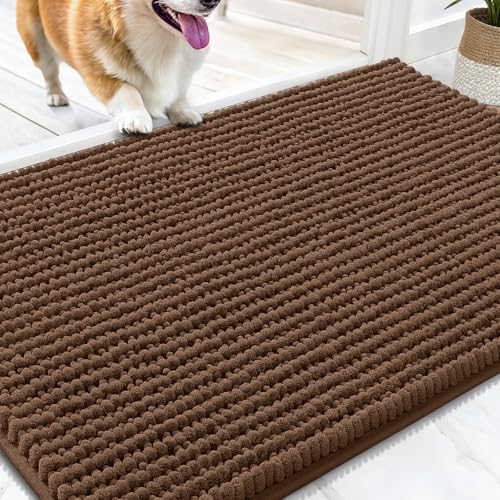


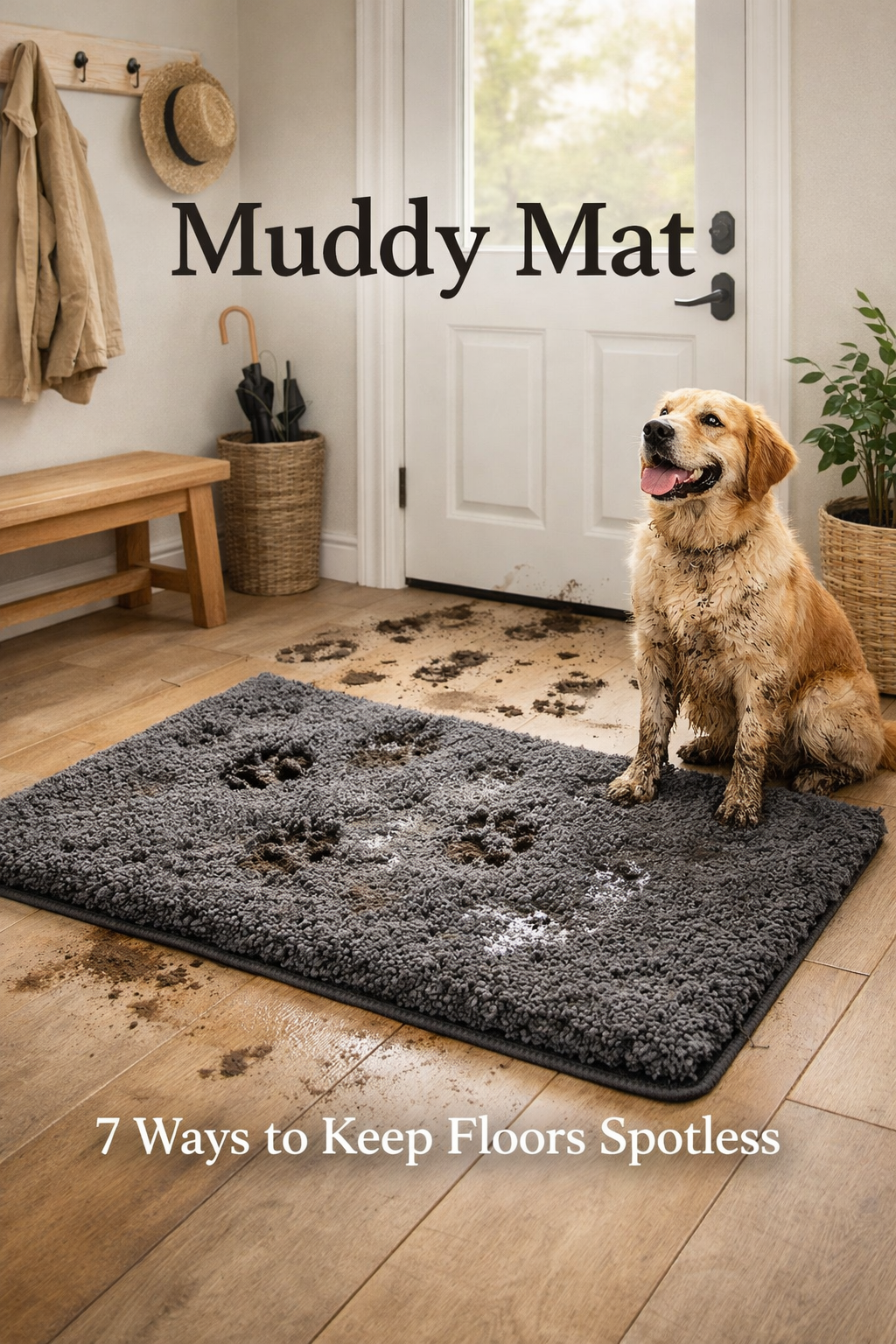
Muddy Mat is quickly becoming the go-to solution for homeowners and pet owners who are serious about keeping floors spotless no matter the weather or muddy paws.
Key Takeaways
- Muddy Mats offer practical, low-maintenance floor protection for high-traffic, pet-friendly homes but aren’t without drawbacks.
- No independent testing or detailed market data exists as of 2024—so be wary of bold claims and focus on proven materials.
- Choosing the right type and placement matters more than chasing hype; look for features like slip resistance and easy washing.
- The Core Concept: What Makes a Muddy Mat Worth Considering?
- Step-by-Step Guide: How to Get the Most From Your Muddy Mat
- Advanced Analysis & Common Pitfalls: What Most Reviews Ignore
- Conclusion: Are Muddy Mats Right for You?
- Frequently Asked Questions
The Core Concept: What Makes a Muddy Mat Worth Considering?
Muddy Mats are floor mats specifically designed to catch mud, dirt, and water—especially from pet paws or boots—before it’s tracked into your home. Unlike basic doormats, a Muddy Mat combines high-absorption fabric with a rubber or grippy anti-slip base. The main goal is to keep entryways, mudrooms, and pet-traffic zones cleaner with less effort. These mats are marketed to dog owners and families who deal with messy weather or outdoor activities.

Modern floor mats are part of a booming market: the global floor mats market was valued at $17.6 billion in 2024 and is expected to exceed $29 billion by 2033, driven by cleanliness trends in residential and commercial spaces. Most Muddy Mats use a combination of textile fibers for absorption and rubber or thermoplastic bases for grip and durability. Despite their popularity, there is no public data on real-life performance comparisons or proven health impacts for pets or homeowners.
If you want to see similar upgrades that make your entryway or kitchen more functional, don’t miss our guides on smart kitchen organization and choosing the right entryway furniture.
Step-by-Step Guide: How to Get the Most From Your Muddy Mat
For best results, treat your Muddy Mat as part of a system—not just a standalone purchase. Here’s a highly actionable approach:
- Choose the right size and location. Entryways with heavy pet or foot traffic need a wider mat (at least 30×48 inches) for maximum coverage. Muddy Mats are also practical in laundry rooms, dog washing stations, and back doors.
- Install securely. Ensure the mat’s anti-slip side is firmly facing the floor. Rubber bases are best for tile, hardwood, or laminate; some vinyl or low-pile textile mats may shift on slick floors.
- Remove surface debris daily. Shake out clumps of mud or pet hair every day, especially after rainy walks or outdoor play.
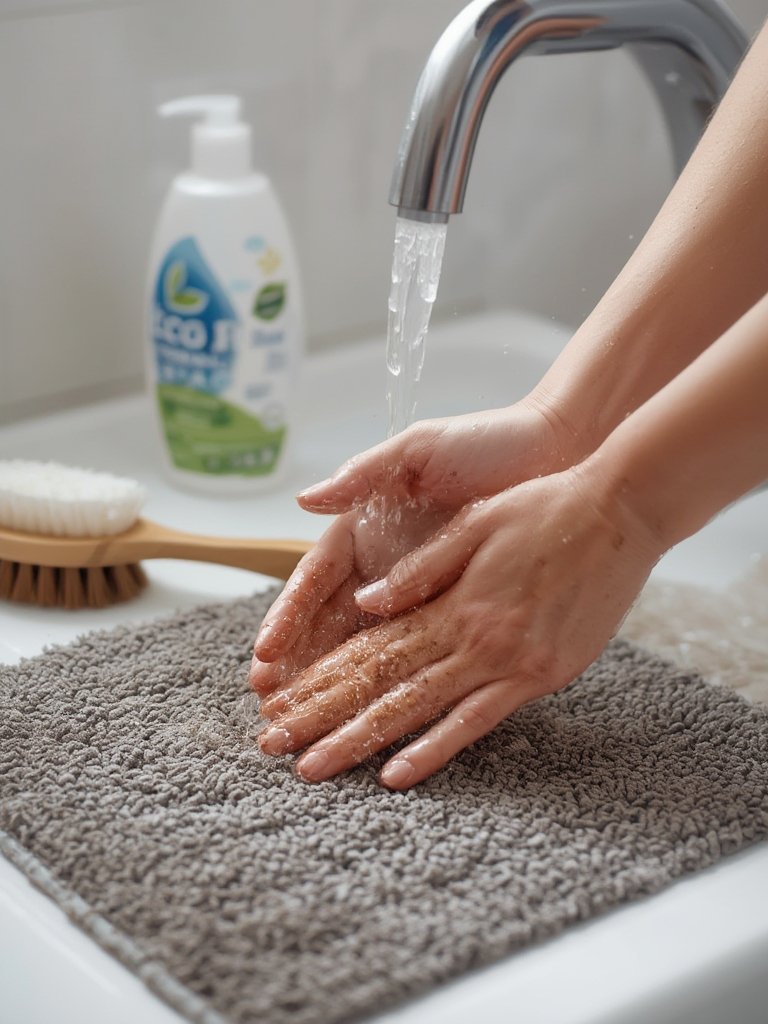
- Wash regularly, following the label. Most Muddy Mats with textile tops are machine washable. Use cold water and mild detergent. Air-dry or tumble dry on low to preserve backing grip.
- Monitor wear and replace when “bald spots” appear or the mat loses grip.
If you’re managing a busy household or want pet-friendly upgrades, check out our rundown of interactive cat toys that keep pets active indoors and our take on dog enrichment essentials.
Advanced Analysis & Common Pitfalls: What Most Reviews Ignore
Buying a Muddy Mat isn’t a magic fix for muddy floors. Here are real limitations and pitfalls based on the latest research:
- Absorption claims can be exaggerated. There is no independent study confirming “super absorbency” claims vs. standard doormats. The underlying tech mirrors that of ordinary textile and rubber mats.
- Real durability varies. Most complaints in similar mat markets center around thin mats wearing out or curling at the edges after a few months—particularly with high pet traffic or shoes with sharp treads.
- Cleaning isn’t always simple. Large, bulky mats do not fit in every washing machine, and some lose their grippy backing fast if machine-dried. Users often find weekly cleaning realistic, but more frequent washing is tough.
- Lack of eco-friendly or hypoallergenic assurances. No published data exists on chemical safety for pets or people, nor on sustainable materials in most Muddy Mats as of 2024.
- Cost and longevity are unclear. Pricing and precise maintenance costs for “premium” Mats aren’t transparent—and may not justify claims of being more effective than well-reviewed generic options.
| Feature | Muddy Mat | Standard Absorbent Mat |
|---|---|---|
| Absorption | Good, but not independently tested | Often rated on user reviews |
| Anti-Slip | Rubber/TPR backing | May vary (Some vinyl or low-cost mats slide more) |
| Pet Safety | No claims for hypoallergenic or pet-specific safety | Rarely advertised |
| Cleaning | Machine washable but may require air-drying | Washable rugs gaining popularity for convenience (see more) |
| Longevity | Unknown; depends on frequency of cleaning and pet activity | Variable; see reviews on leading retailer sites |
For shoppers specifically seeking sustainable home products, you might also want to check out non-toxic home appliance advice and reviews on the latest kitchen comfort trends.
The lack of test results and missing technical specs means most buyers need to rely on real-user feedback and look for well-established material quality (e.g., mats featuring a high percentage of rubber for durability, according to industry reports).

Conclusion: Are Muddy Mats Right for You?
Muddy Mats can play a valuable role in keeping your home cleaner, especially with pets or messy weather. However, buyers should approach bold marketing claims with caution. There is no published evidence that a Muddy Mat performs significantly better than a high-quality, well-reviewed standard mat with similar materials. Look for anti-slip backings, easy washing, and good user feedback as your top criteria when selecting a Muddy Mat. If indoor air quality and cleaning convenience are top priorities, combine mud mats with smart kitchen or home improvement strategies for maximum impact.
Ready to take the next step? Review reputable retailers, check return policies, and remember to wash your Muddy Mat regularly for best results.
Frequently Asked Questions
How often should I wash my Muddy Mat?
Weekly washing is ideal, especially in wet seasons or households with multiple pets. Shake out debris daily to minimize build-up.
Are Muddy Mats machine washable?
Most textile-topped Muddy Mats are machine washable. Always check the label and avoid high-heat drying, which can degrade the rubber backing.
Do Muddy Mats prevent slipping on tile or hardwood?
If they have a true rubber or thermoplastic base, yes. Mats with only textile or felt backing may slide, so test placement before daily use.
Is a Muddy Mat safe for cats, rabbits, or other pets?
No hypoallergenic or multi-species safety data exists. Avoid mats with added fragrances or chemical coatings if pets are sensitive.
Is there a difference between Muddy Mats and regular absorbent doormats?
The main difference is branding and the promise of heavier absorption. Actual material technology and construction are similar across many top-rated mud mats. Focus on product specs, not just the name.