


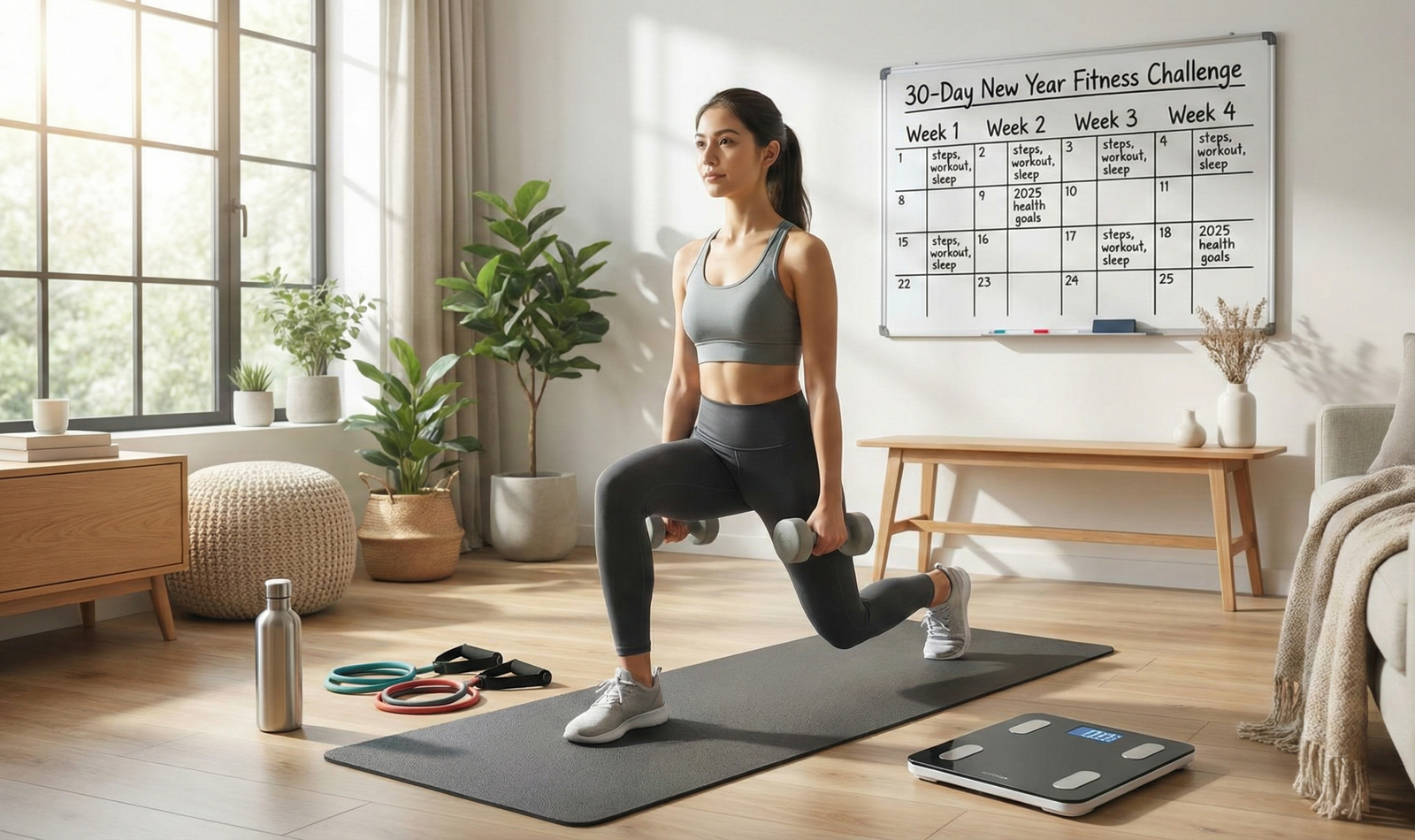
Every January, we promise ourselves that this will be the year we finally get fit, lose weight, and feel better in our own body. Then work, stress, and daily life kick in… and the motivation disappears by week two.
This year, let’s do it differently.
In this guide, you’ll get:
- A realistic New Year fitness challenge for 30 days
- A simple weight loss plan for January
- A framework to set and stick to your 2025 health goals
The focus is on sustainable habits, not extreme diets or crazy workouts.
Disclaimer: This article is for general information only, not medical advice. Talk to your doctor before starting any new diet or exercise program, especially if you have health conditions or take medication.
1. Start with your 2025 health goals (not just “lose weight”)
Before planning workouts or meals, decide what you really want from 2025.
Instead of only “I want to lose weight,” build 3–5 specific, realistic health goals. For example:
- Movement goal
- “Walk at least 8,000 steps per day, 5 days a week, throughout 2025.”
- Weight goal
- “Lose 5–8 kg between January and June by combining a calorie deficit with 4 workout days per week.”
- Performance goal
- “Do 20 push-ups in one set by June 2025.”
- Sleep & energy
- “Sleep 7–8 hours per night at least 5 nights per week.”
- Nutrition
- “Eat at least 5 portions of fruits and vegetables every day.”
Write your goals in a notebook, on your fridge, or in your phone notes. Seeing them often keeps you focused.
E-E-A-T idea: You can mention that these goals are inspired by guidelines from major health organizations and link to a trusted source (for example, the World Health Organization or your local health service).
2. What’s a realistic weight loss plan for January?
Most health experts consider losing about 0.5–1 kg (1–2 lb) per week a realistic and safe pace for many people. Faster weight loss is usually harder to maintain and can be risky in the long term.
For many people, that means:
- Eating in a moderate calorie deficit (not starving)
- Moving more throughout the week
- Focusing on whole, minimally processed foods
- Sleeping enough and managing stress
So a realistic January target might be:
- Lose 2–4 kg (4–8 lb) across the month
- Build a routine of 4+ movement days per week
- Clean up nutrition (less junk, more real food and protein)
E-E-A-T idea: In this section, you can link “safe rate of weight loss” to a trusted health site (e.g., a government health portal or national health service page about healthy weight loss).
3. Your 30-day New Year fitness challenge (week by week)
You can start on January 1st or any Monday. The goal is consistency, not perfection.
Week 1 – Wake up your body
Focus: Build the habit.
- Workouts
- 3 days: 20–30 minutes brisk walking or light cardio
- 2 days: short beginner strength workout at home
Example beginner strength routine (2–3 rounds)
- 10 bodyweight squats
- 8–10 wall or knee push-ups
- 10 glute bridges
- 20-second plank
- 10 chair rows (holding onto a sturdy table/desk)
Nutrition
- Drink a big glass of water before each meal
- Add one extra serving of vegetables to lunch and dinner
Lifestyle
- Go to bed 30 minutes earlier 3–4 nights this week
Week 2 – Build momentum
Focus: Get closer to recommended activity levels.
- Workouts
- 4 days: 25–35 minutes moderate cardio (walking, cycling, light jogging)
- 2 days: strength training (same routine as week 1, maybe 1 more round or a few more reps)
- Nutrition
- Replace sugary drinks with water or unsweetened tea most days
- Aim for protein in every meal (eggs, yogurt, beans, lentils, fish, chicken, tofu, etc.)
- Lifestyle
- Try 1–2 screen-free evenings an hour before bed for better sleep
E-E-A-T idea: Here you can link to physical activity recommendations from the World Health Organization to show your advice aligns with official guidelines.
Week 3 – Tighten your January weight loss plan
Now your body is used to moving more. Time to gently increase the challenge.
- Workouts
- 4–5 cardio sessions per week
- Mix steady-pace walking with 1 day of short intervals (for example, 1 minute faster / 2 minutes easy)
- 2–3 strength sessions (full-body or split: upper + lower)
- 4–5 cardio sessions per week
- Nutrition
- Focus on whole foods:
- Vegetables, fruits, whole grains, lean proteins, healthy fats
- Reduce fast food, pastries, chips, and sweets to a few times a week
- Try cooking more at home instead of ordering take-out
- Focus on whole foods:
- Tracking
- Weigh yourself once per week (same day, same time)
- Track your food intake for 3–7 days using an app to understand portions and calories
Week 4 – Lock in your 2025 health habits
This week is about connecting your 30-day challenge with your long-term 2025 health goals.
- Workouts
- Aim for 150–250+ minutes of movement this week
- Try one new activity: yoga, a simple HIIT video, dance workout, or a local fitness class
- Nutrition
- Use the 80/20 rule:
- 80% of the time: nutrient-dense, whole foods
- 20%: flexible, enjoyable treats
- Practice mindful eating: eat slowly, without screens, and stop when comfortably full
- Use the 80/20 rule:
- Reflection
At the end of the month, ask yourself:- What helped me the most?
- What was difficult?
- What can I realistically keep doing for the next 3 months?
4. A simple daily structure you can follow
You don’t need a complicated schedule. Here’s a simple template:
Morning
- Drink water after waking
- 10–20 minutes of light movement (short walk, stretching, mobility)
- Breakfast with protein + fiber
- Example: oatmeal with fruit and yogurt, or eggs with whole-grain toast
Midday
- Balanced lunch:
- ½ plate vegetables
- ¼ plate lean protein
- ¼ plate whole grains
- If possible, 10-minute walk after lunch
Afternoon / Evening
- Workout (on training days):
- 30 minutes brisk walking or cardio
- 15–20 minutes strength training
- Dinner: similar to lunch, but lighter on heavy sauces and fried food
- Night routine:
- Avoid very heavy meals right before bed
- 10–15 minutes of relaxing (reading, stretching, breathing)
5. Helpful tools & products for your New Year fitness challenge
Here’s where you integrate your Amazon products inside the blog. You can present them as tools that make the challenge easier and more fun.
Use a short paragraph + bullet points + button under each product.
5.1. Non-slip yoga / exercise mat
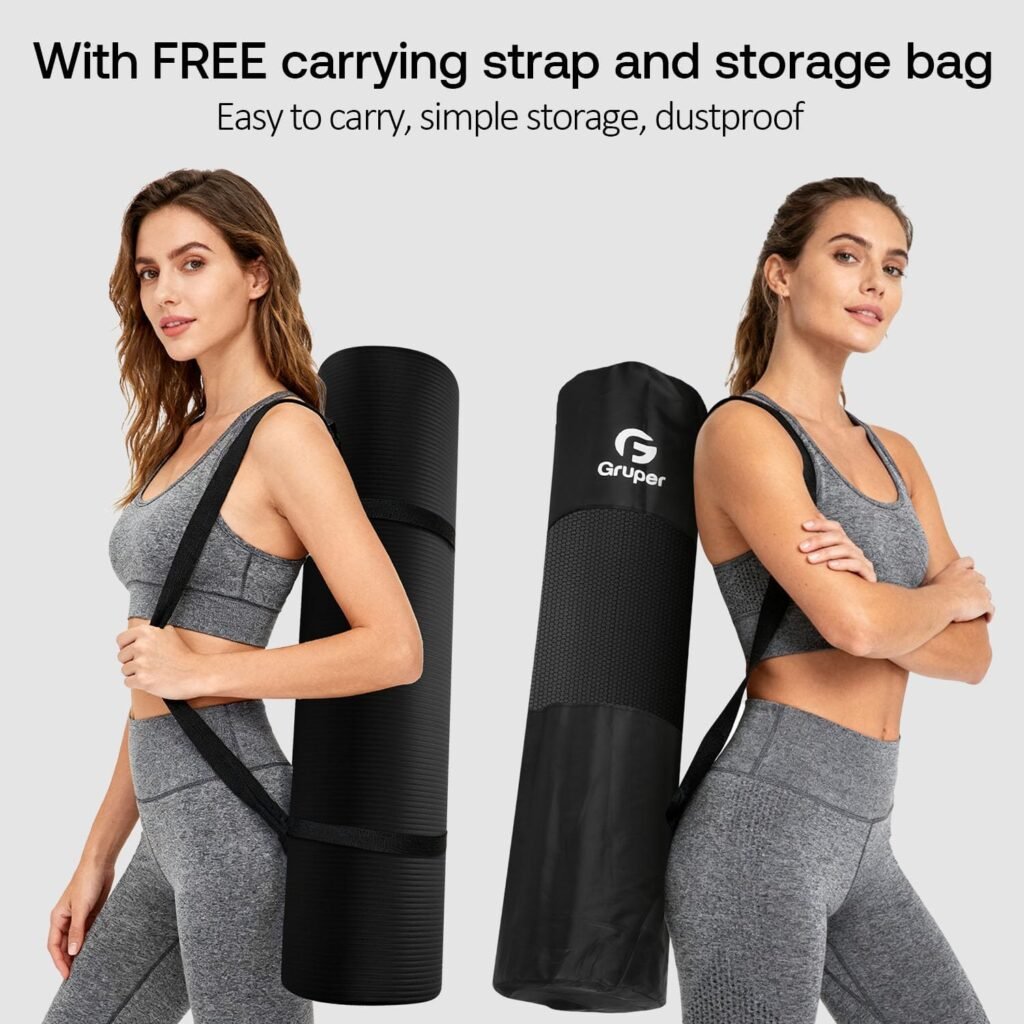
A good mat makes home workouts more comfortable and safer, especially for planks, push-ups, and stretches.
- Cushions your knees and wrists
- Helps prevent slipping on hard floors
- Easy to roll up and store
👉 Button: Check price on Amazon
5.2. Adjustable dumbbells or a small dumbbell set
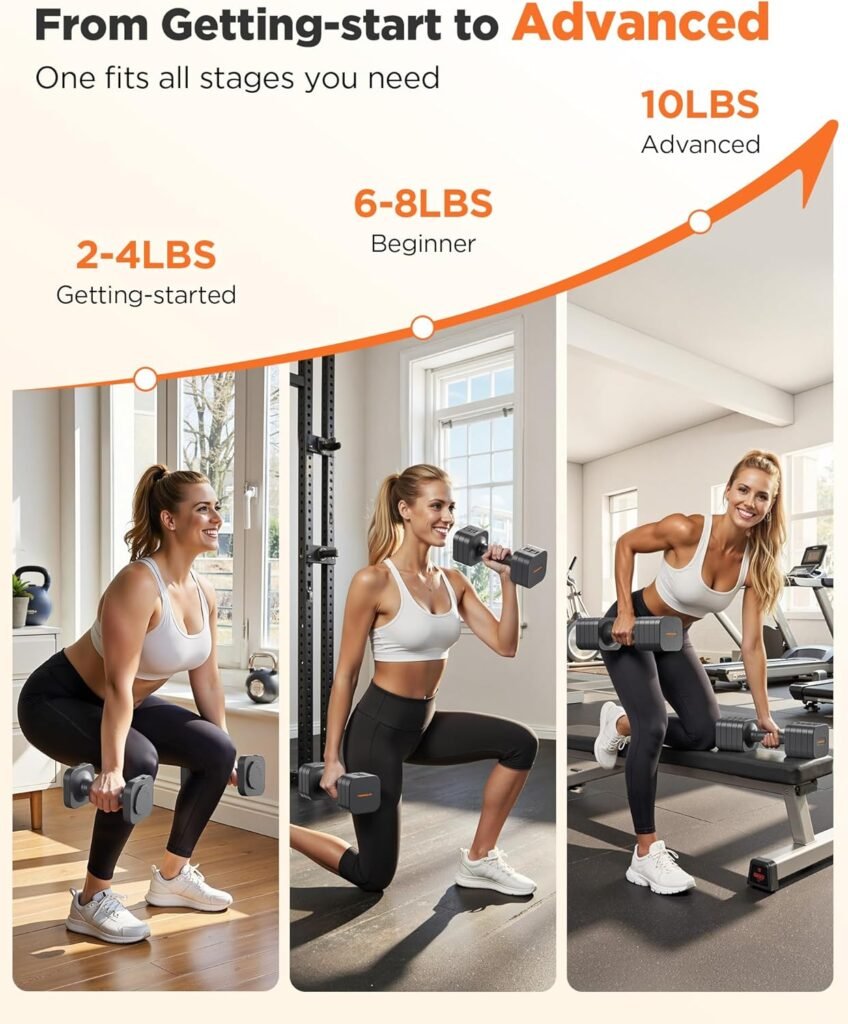
Light weights are perfect for adding resistance to squats, lunges, rows, and shoulder presses.
- Great for beginners and intermediate users
- Saves space compared to many separate weights
- Can be used for both upper and lower body workouts
👉 Button: See adjustable dumbbells on Amazon
5.3. Resistance bands set
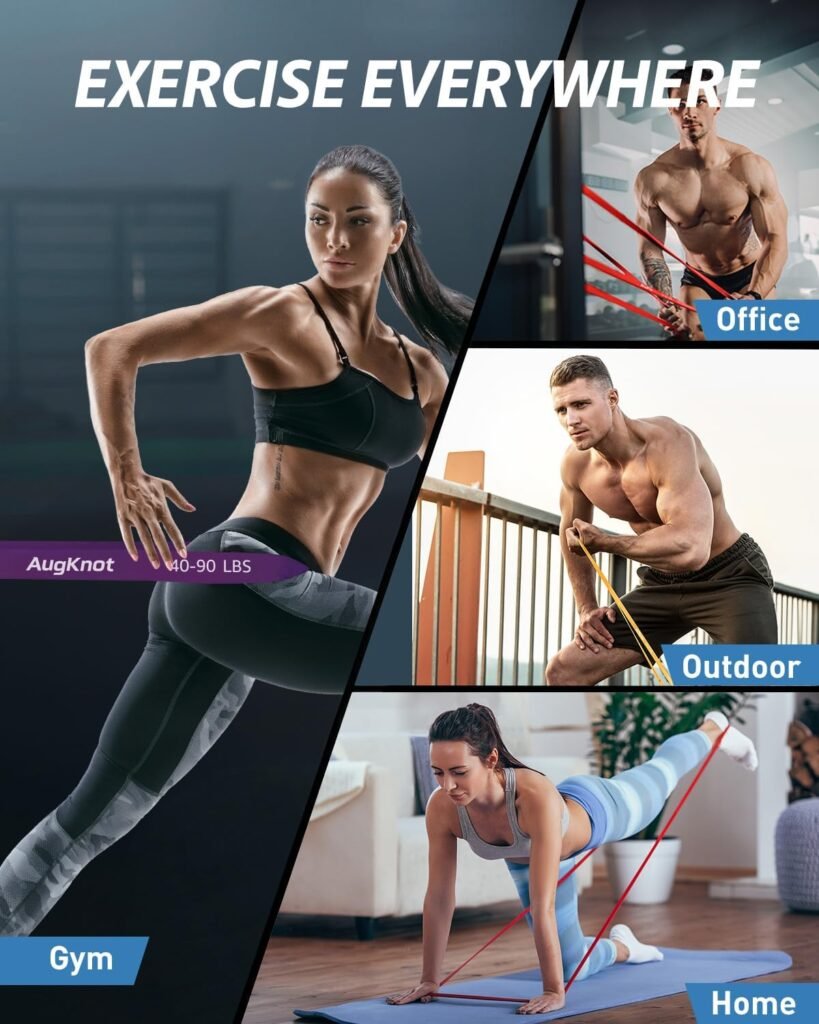
Resistance bands are portable, beginner-friendly, and ideal if you don’t have much space.
- Use them for glute bridges, rows, shoulder work, and core exercises
- Perfect for travel or small apartments
- Often come with different resistance levels in one set
👉 Button: Shop resistance bands on Amazon
5.4. Digital bathroom scale or smart scale
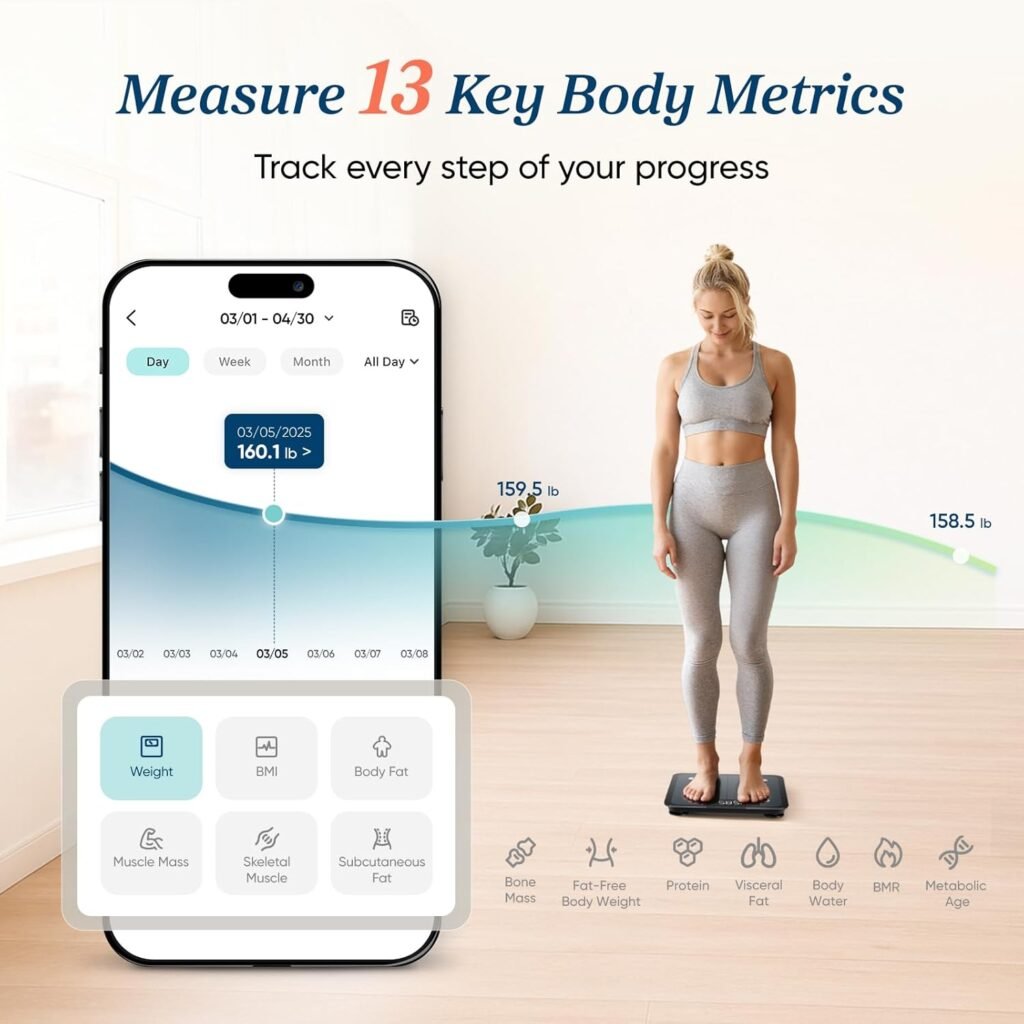
Tracking your weight once a week can help you see trends over time (without obsessing over daily changes).
- Simple digital scales: show your weight
- Smart scales: may also estimate body fat %, muscle mass, etc.
👉 Button: View smart scale options on Amazon
5.5. Reusable water bottle
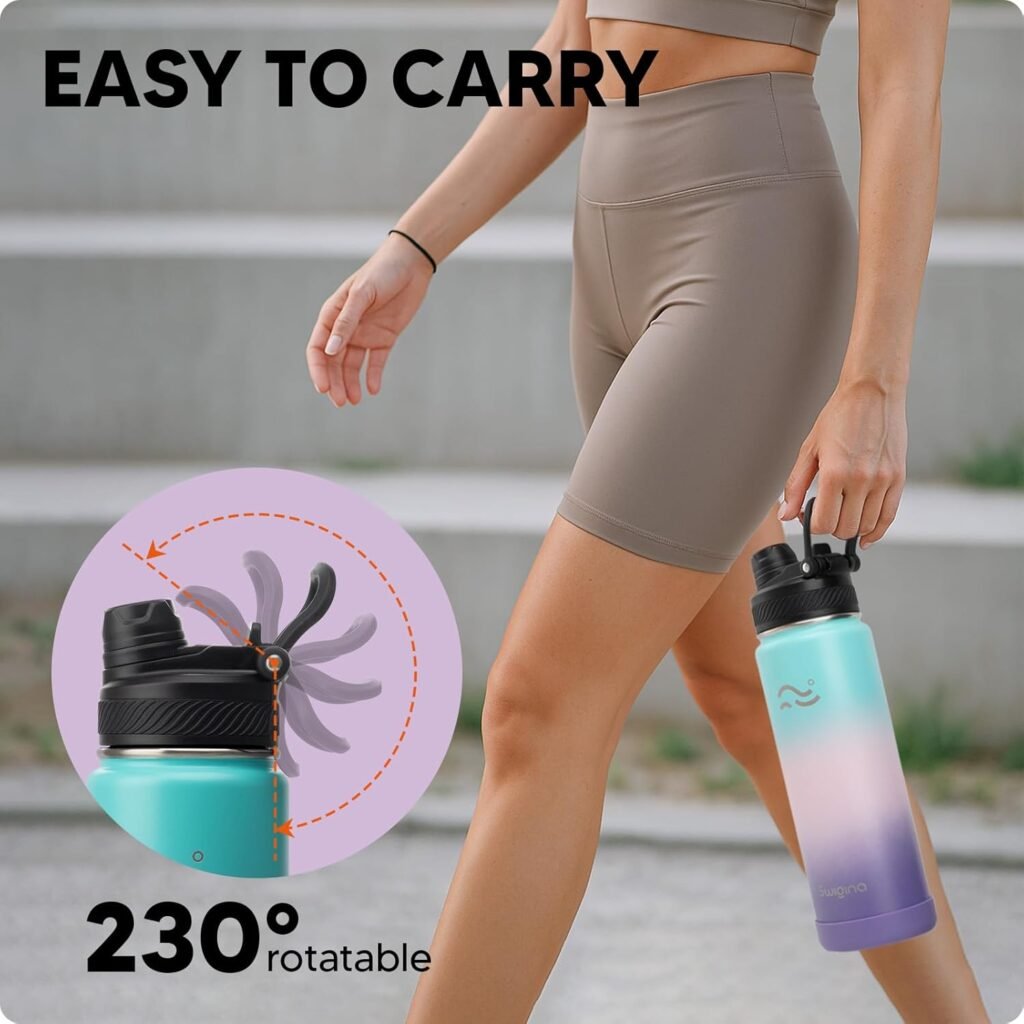
Staying hydrated is important for energy, appetite control, and workout performance.
- Encourages you to drink more water
- Easy to carry to work, gym, or walks
- Some bottles have time markers to track intake
👉 Button: Find a reusable water bottle on Amazon
6. When to talk to a doctor or professional
You should get professional medical advice before or during a fitness challenge if:
- You have heart, lung, kidney, or metabolic conditions
- You feel chest pain, dizziness, or strong shortness of breath during exercise
- You are pregnant or postpartum
- You take medications that affect heart rate, blood pressure, or fluids
- You’ve been completely inactive for a long time and are over a certain age
Working with a doctor, physiotherapist, or registered dietitian can help you adapt this New Year fitness challenge, your January weight loss plan, and your 2025 health goals to your personal situation.
7. Final motivation: turn 30 days into a new lifestyle
You don’t need a perfect month. You need many small wins:
- A short workout instead of none
- A home-cooked meal instead of fast food
- Going to bed earlier instead of scrolling endlessly
If you:
- Set clear 2025 health goals,
- Follow this 30-day New Year fitness challenge, and
- Use simple tools (mat, bands, weights, water bottle, scale) to make it easier,
you’ll have a strong foundation for the rest of the year.
Loved this guide? That’s just the start.
👉 Explore our other blog posts for more healthy habits, smart home tools, and easy ideas to help you stay on track with your 2025 health goals.