

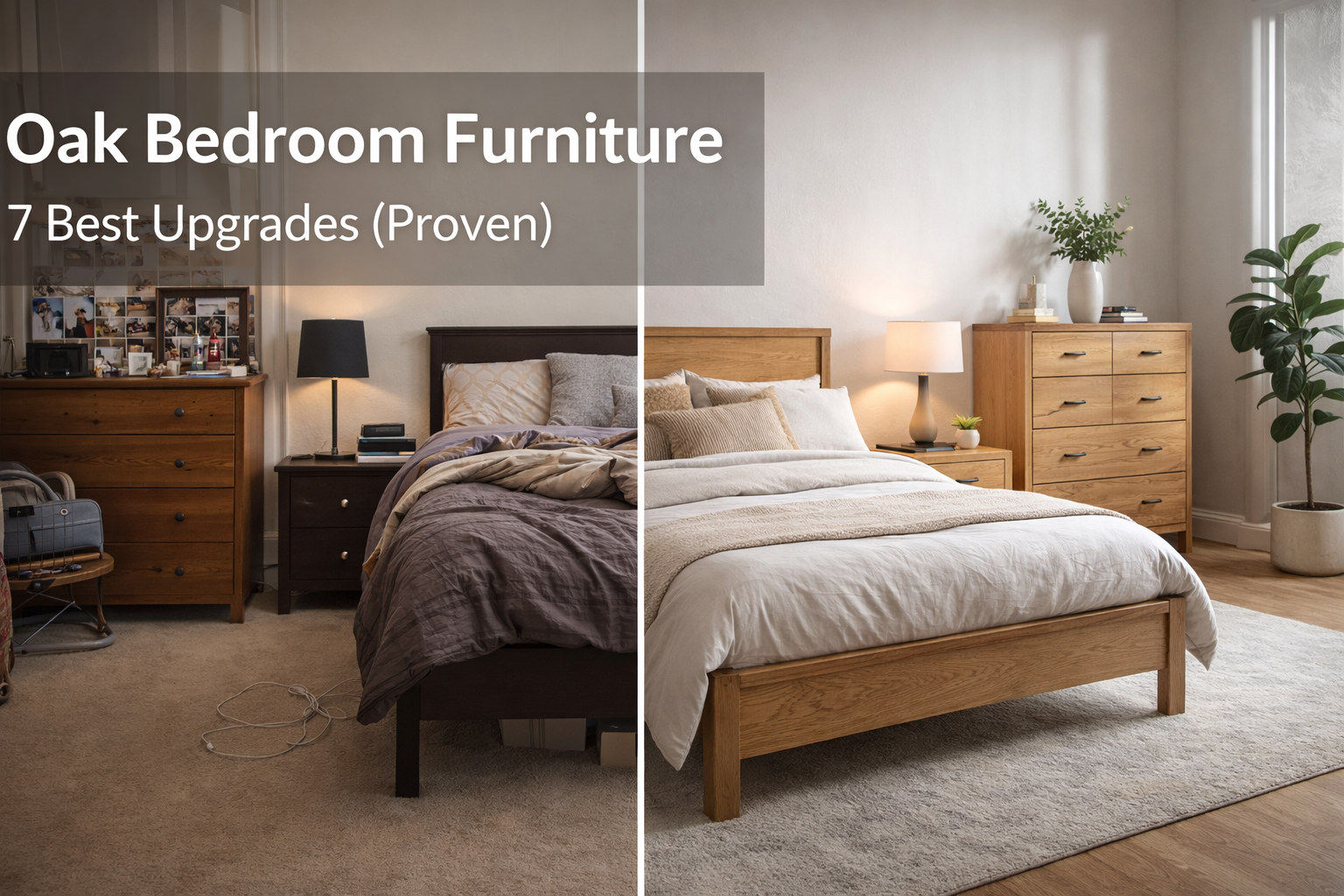
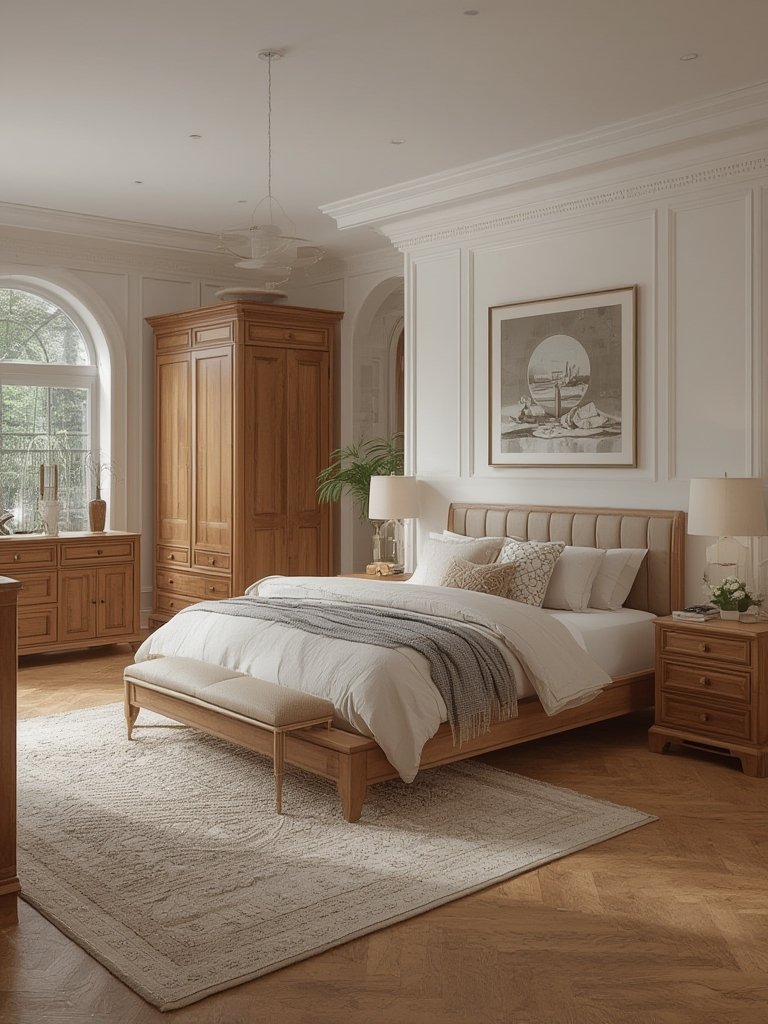
Oak bedroom furniture has become a top choice for homeowners seeking durability, timeless looks, and a nature-inspired upgrade for their space. But not every oak set is created equal, and making the right decision means understanding more than surface beauty. Here’s how to pick and style oak bedroom furniture that actually lasts, fits your lifestyle, and avoids costly mistakes.
Key Takeaways
- Oak bedroom furniture is popular for its timeless style and durability, especially for beds and sturdy storage pieces.
- Choose solid oak where possible, and watch for joinery and finish quality to ensure your investment pays off long term.
- Carefully match oak tones and designs with your bedroom’s style—mistakes can make your space feel mismatched or dated.
The Core Concept
Oak bedroom furniture refers to beds, dressers, nightstands, wardrobes, and other storage pieces crafted from oak wood. Oak is favored because it’s hard-wearing, ages beautifully, and fits both modern and traditional bedrooms. In 2024, the global oak furniture market hit USD 12.6 billion, with strong growth expected thanks to oak’s reputation for sturdiness and classic good looks.
Why do so many homeowners pick oak?
- Longevity: Oak resists dents and everyday wear, often lasting generations.
- Natural Patterns: Its grain delivers visual warmth—subtle enough for minimalist spaces, yet rich enough to anchor classic bedrooms.
- Versatility: Oak can be finished light or dark, left natural, or painted to match trending styles.
This popularity is especially strong in bed frames and headboards, where stability and a solid feel matter most.
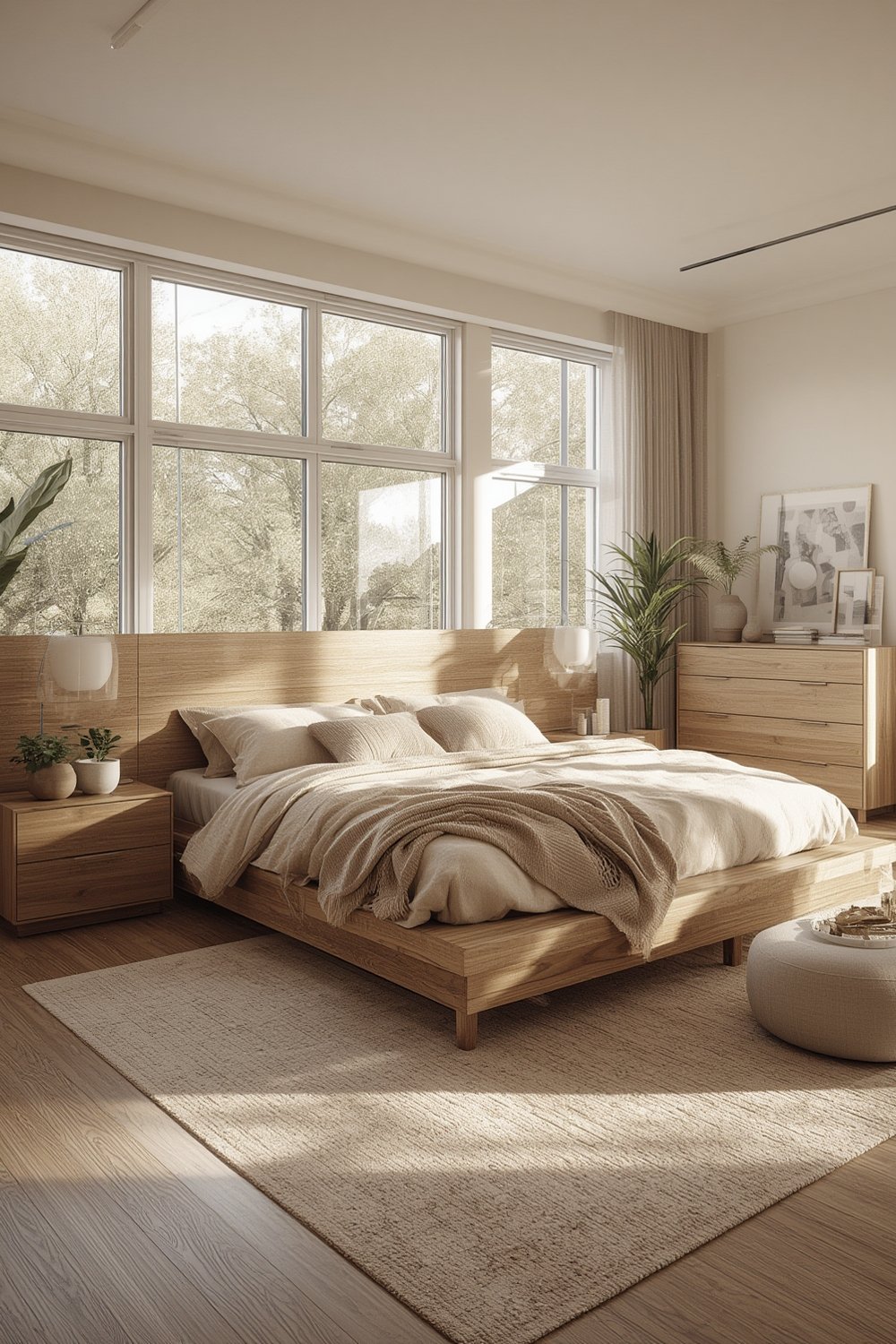
Minimalist and Scandinavian bedrooms lean into lighter finishes and slim profiles, while traditional spaces often feature ornate carving and deeper stains.
For a deeper dive into how bedroom furniture choices reflect your overall style, check out these ideas for mixing vintage and modern elements.
Step-by-Step Guide
If you want oak bedroom furniture to last and elevate your bedroom, here’s what to do:
- Assess Your Space and Needs
- Measure floor space for beds, wardrobes, and dressers—oak is heavy and can dominate small rooms.
- Decide if you want a full set for a cohesive look, or to mix one oak statement piece with lighter items.
- Pick the Right Type of Oak
- solid oak costs more but means longevity and a richer texture.
- Veneered or engineered oak is budget-friendlier, but may chip or swell if not well made.
- Inspect Construction Quality
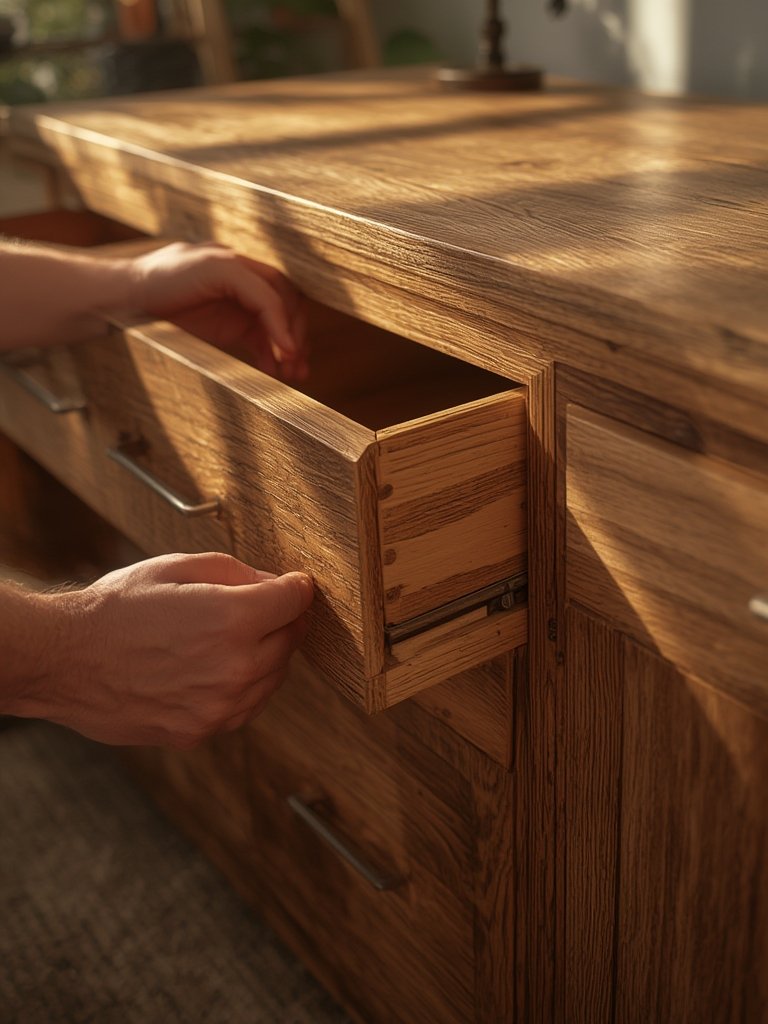
- Look for dovetail or mortise-and-tenon joints (no staples).
- Ask about finishes—lacquer adds sheen, oil preserves a matte look, both protect the wood from stains.
- Locally sourced or FSC-certified oak has less environmental impact.
- Match the Tone and Style to Your Decor
- Light oak blends with Scandinavian or contemporary looks.
- Medium and dark stains work in classic or rustic interiors.
- Plan Maintenance
- Dust with a soft cloth weekly.
- Wipe spills immediately to avoid stains.
- Re-oil or wax annually if unfinished—avoid harsh household cleaners.
If you need more options for maximizing style in compact bedrooms, read this guide to organizing and styling your most-used spaces: smart upgrade ideas for clutter-free rooms.
Advanced Analysis & Common Pitfalls
No material is perfect, and oak bedroom furniture comes with a few caveats. Here’s what buyers often overlook:
- Weight: oak is heavy than pine, engineered board, or even walnut. Moving or rearranging can take effort.
- Matching Finishes: Natural oak, white oak, and “light oak” may not actually match one another—look for samples or see sets in person if mixing brands or lines.
- Moisture Sensitivity: Solid oak resists wear but can crack or warp if exposed to humidity swings or placed near radiators/vents.
- Sticker Shock: Real oak may cost twice as much as engineered wood. Some brands offer “oak finish”—check if this is veneer on composite material, which can peel or bubble if damaged.
- Assembly Quality: Fast furniture often uses plastic hardware or staple construction, while top-quality oak sets feature traditional joinery. If the price seems too good, quality may be lacking.
| Feature | Solid Oak | Engineered/Oak Veneer |
|---|---|---|
| Durability | Excellent – decades or more | Moderate – depends on core material |
| Maintenance | Light dusting, re-oiling every 12-24 months | Light dusting; avoid moisture on seams |
| Price (2024 est.) | $$$ | $$ |
| Weight | Heavy | Moderate/Light |
| Resale Value | High | Low-Moderate |
| Customization | Highly refinishable & repairable | Limited—recoating can damage veneer |
Common Design Mistakes for Modern & Traditional Interiors
- Mixing Warm and Cool Oak Tones Wrong: Light white oak looks out of place against yellow/red medium stains. Cool undertones pair best with other pale, neutral woods or matte painted furniture.
- Oversizing in Small Rooms: A chunky carved oak bed or armoire can overwhelm a modern or compact space. Opt for slimmer, streamlined profiles if you have minimal floor area.
- Ignoring Hardware and Details: Heavy gothic handles or ornate feet might clash with contemporary bedrooms—choose simple pulls and tapered legs for a fresher feel.
For inspiration on blending oak with bold or geometric accents, see our Art Deco picks and style checklist.
You’ll find similar planning tips for choosing statement bed frames in our bed frame guide.
Conclusion
Choosing oak bedroom furniture is about more than following trends. With careful selection—checking for true solid oak, attention to construction, and styling wisely for your space—your furniture will age beautifully and support restful, clutter-free living. Avoid mismatched tones, overwhelming pieces, and mass-market shortcuts to get the most from your investment. If you want to transform your sleep space with lasting beauty, start by identifying the oak bedroom furniture that fits your style, needs, and budget. Ready for your bedroom upgrade? Shop smart, and enjoy the long-term value of real oak.
Want more home upgrade guides? Find practical ways to improve your sleep and organization with our kitchen essentials for 2026.
FAQ Section
Is solid oak bedroom furniture worth the cost?
For durability and classic appeal, solid oak often justifies its higher price. It’s more resistant to damage and holds resale value better than engineered wood or veneer options.
How do I maintain oak bedroom furniture?
Dust regularly with a soft cloth, wipe spills right away, and apply oil or wax as needed to maintain the finish. Avoid harsh sprays or excessive moisture, which can damage the wood.
Will oak furniture match modern bedrooms?
Yes, especially if you choose light or natural finishes, clean-lined silhouettes, and pair them with minimalist decor. Avoid ornate details for a modern look.
Are there budget-friendly options for oak furniture?
Engineered oak veneer furniture costs less but may not last as long as solid oak. For the best value, look for second-hand or clearance solid oak pieces, or mix one oak focal piece with lighter affordable furniture.
Does oak furniture require assembly, and is it difficult?
Many oak pieces arrive flat-packed. Assembly is usually straightforward with clear instructions, but solid oak is heavy, so having a second person to help is recommended.