

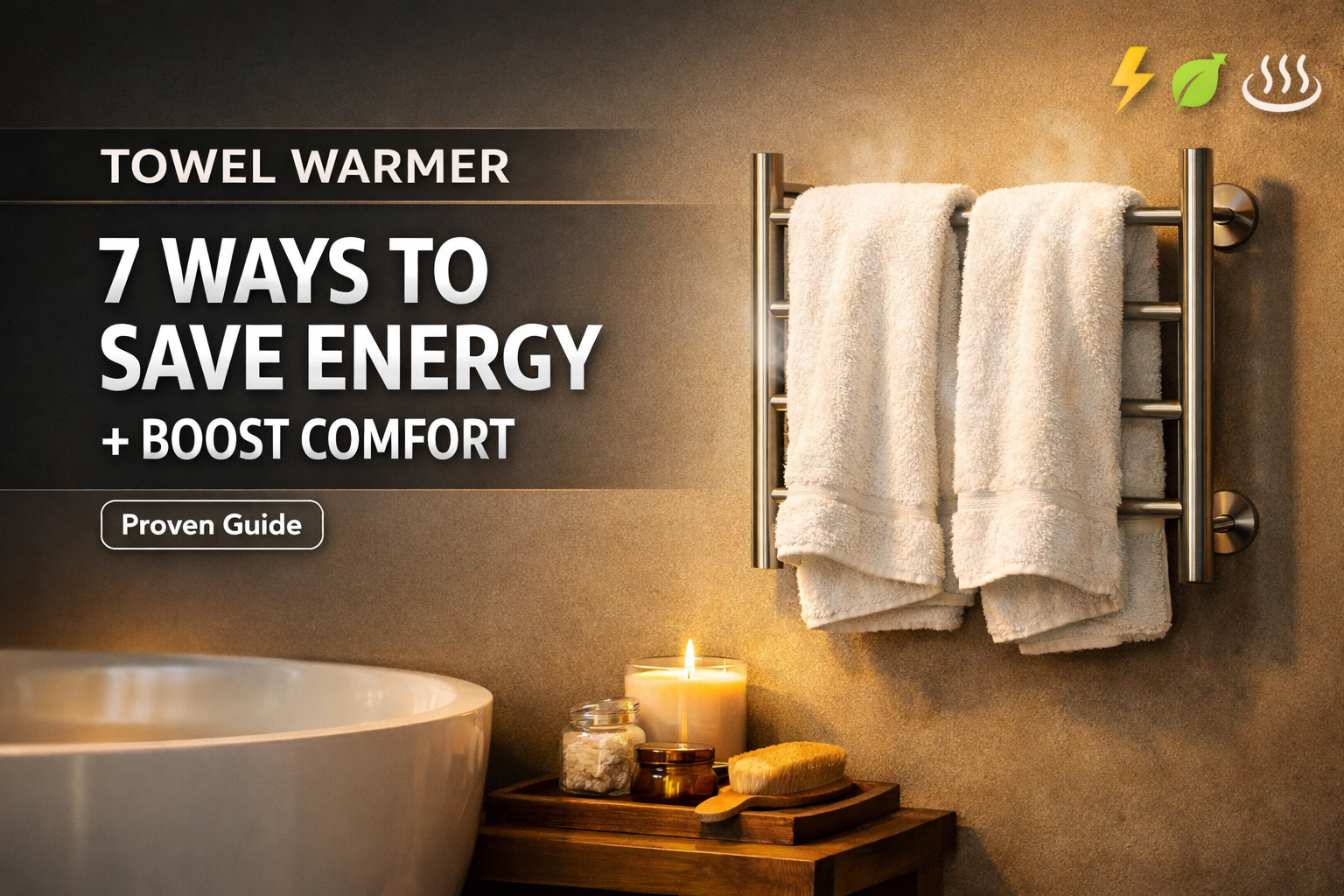
Towel Warmer sales are surging as more homeowners and renovators look for everyday spa-like comfort, fast-drying towels, and energy-efficient upgrades for the bathroom. But are the benefits, costs, and real performance as good as the hype? Here’s what you need to know before you buy.
Key Takeaways
- Towel warmers are a booming market, led by Europe and rapid growth in Asia-Pacific, with major advances in energy efficiency and integration into smart homes.
- Real-world installation and running costs vary by type, but brand data on energy use or heating time is limited; shoppers should compare features carefully.
- Choosing the right towel warmer can boost bathroom comfort and hygiene, but some product downsides and hidden costs go unaddressed by most guides.
- What is a Towel Warmer and Why Choose One?
- How to Choose and Use a Towel Warmer: Step-by-Step
- Advanced Analysis & Common Pitfalls: What Most Guides Miss
- Conclusion: Is a Towel Warmer Worth It?
- Frequently Asked Questions
What is a Towel Warmer and Why Choose One?
A towel warmer (also known as a heated towel rack or towel radiator) is a bathroom fixture designed to heat towels, making them cozy to the touch and helping them dry faster. In 2024, the global market for towel warmers is booming, with revenues reported between USD 845 million and USD 1.2 billion, expected to grow at 4.4% to 10.5% CAGR through the next decade. Europe currently leads the market, with countries like the UK and Germany favoring these for both comfort and energy savings. North America is catching up, driven by home renovations and spa-inspired design, while Asia-Pacific is the fastest-growing region thanks to urban development and rising incomes [source].
Why buy a towel warmer? The main draws are:
- Consistent, gently warmed towels—no more damp, musty linens
- Faster drying (reduces bacteria, mold, and mildew risk on towels)
- Added touch of daily luxury and comfort
- Potential energy efficiency in heating small bathrooms
- Bonus: many units integrate with smart home controls for customized schedules
How to Choose and Use a Towel Warmer: Step-by-Step
- Choose the Right Type
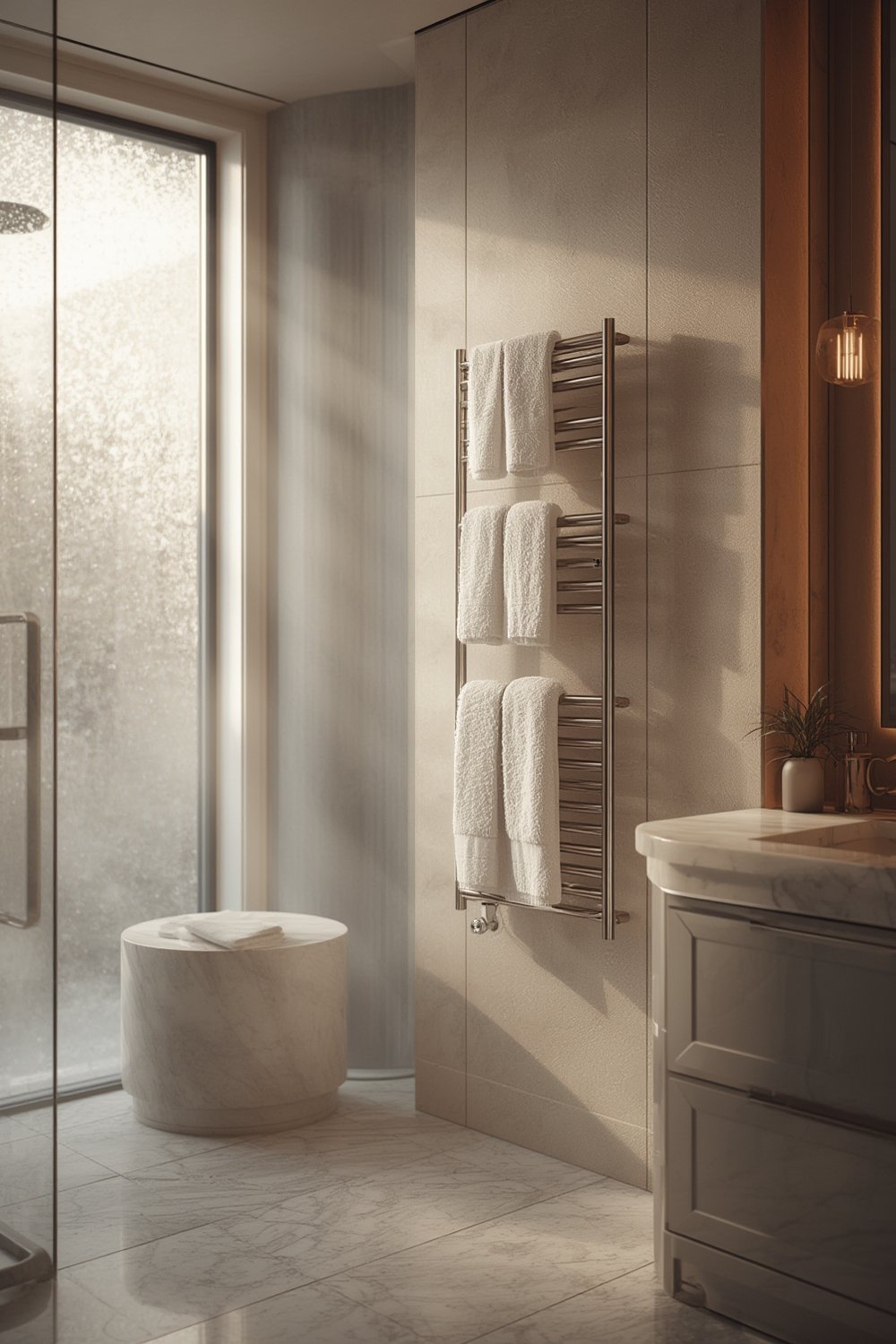
- Electric towel warmers: Plug-in or hardwired; easier DIY install; faster warm-up; can be freestanding or wall-mounted.
- Hydronic towel warmers: Connected to hot water plumbing; usually wall-mounted; installation requires a plumber; may be more energy efficient if you already use radiant heating.
- Decide on Size and Style
Width and height vary—pick one that fits your space and holds the number of towels you use daily. Chrome, matte black, and brushed finishes are popular for both modern and classic bathrooms. - Compare Heating Performance
While brands often advertise rapid warm-up or advanced energy savings, real-world specs like heating time and temperature range are rarely clear in 2024. Look for claims of 15 to 45 minutes to full warmth; smart features like timers and remote controls can optimize use and reduce costs. - Factor in Installation and Running Costs
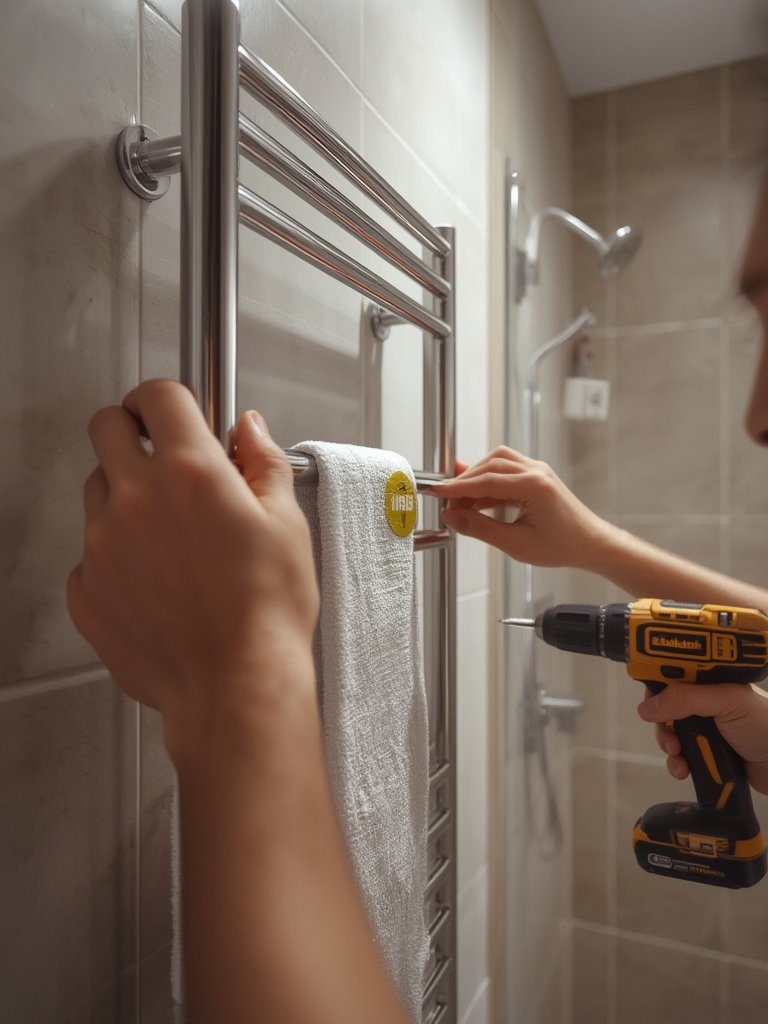
- Plug-in electric models are typically cheapest to install (often DIY-friendly).
- Hardwired units need an electrician; hydronic types need a plumber and access to hot water plumbing.
- Ongoing energy costs are usually low, but vary by wattage, timer use, and insulation.
Lowes Home Improvement Store Guide has tips for getting installation done right without hidden costs.
- Routine Use and Maintenance
Dust the surface regularly and check for loose hardware or warning lights on smart models. Hydronic units require periodic bleed of air valves for optimal performance.
For full energy savings, combine a towel warmer with other smart bathroom upgrades. See Organized Kitchen: 3 Smart Home Upgrades for a Cleaner Space in 2026 for cross-room home efficiency ideas.
Looking for a touch of 1920s glam to match your modern towel rack? Browse Best Art Deco Furniture & Decor Picks for inspiration.
Finally, for eco-friendly shoppers: While most towel warmers are designed to be efficient, none are completely zero-impact. If appliance toxicity is a concern, check out Best Non Toxic Air Fryer (PFAS-Free) for ideas on non-toxic home upgrades, and extend the research to your bathroom picks.
Advanced Analysis & Common Pitfalls: What Most Guides Miss
Many top-ranking towel warmer reviews gloss over the following real-world challenges:
- Hidden costs: Many shoppers underestimate installation expenses, especially for hardwired electric or hydronic models. Always ask for total costs, including electricians or plumbers if needed.
- Performance gap: Specs for heating time, maximum temperature, or even power usage are often missing or inconsistent across brands. Generic claims (“warms in 15 minutes!”) aren’t always accurate.
- Maintenance surprises: Hydronic warmers need more checkups; leaks or trapped air can hurt performance. Even electric units should be checked for timer failures or overheating protection.
- Safety & certifications: In 2024, it’s still uncommon for brands to clearly list UL, CE, or wet-zone safety ratings—always check before you buy, especially for wet-zone installs.
- Hygiene claims: While common sense suggests that faster-drying towels reduces mold risk, studies are lacking. Mold and mildew control mainly comes from regular towel replacement and basic bathroom ventilation.
| Feature | Electric Towel Warmer | Hydronic Towel Warmer |
|---|---|---|
| Installation Cost | Low to Medium (DIY possible) | Medium to High (requires plumber) |
| Heating Time | 15 to 45 min (brand-dependent) | 20 to 60 min (depends on boiler system) |
| Energy Use | Higher per use (if always on) | Lower if connected to existing hydronic/radiator system |
| Maintenance | Occasional (dusting, check for electrical faults) | Regular (bleed air, watch for leaks) |
| Smart Controls | Often available (timers, Wi-Fi) | Rare (usually manual valves only) |
If you want to minimize those “I wish I’d known” moments, dig deeper into product manuals and user reviews. For broader smart home appliance advice, read Best Non Toxic Air Fryer (PFAS-Free) for 2025: Stainless Steel, Glass & Ceramic Picks and see how to judge quality beyond just surface features.
Unsure how a towel warmer ties into a broader wellness routine? The Personal Development Plan: 7 Ways to Improve Yourself guide explains why building daily comfort rituals can actually add up to less stress and more satisfaction at home.

Conclusion: Is a Towel Warmer Worth It?
A towel warmer adds luxury and real drying power to any bathroom, especially if you live in a humid or cold climate—or simply want that cozy spa roll-out every morning. Growth in the towel warmer market is driven by demand for comfort and efficiency, but real-world performance depends on installation, family habits, and your willingness to look past hype for certified specs and practical use.
Ready to try one? Compare types, check certifications, then treat yourself to a better bathroom routine. For more upgrades that elevate home comfort, see how smart organization and healthy appliances can upgrade your whole space.
Frequently Asked Questions
Are towel warmers safe to use in bathrooms with high humidity?
Most towel warmers are designed for bathroom use and are splash-resistant, but always check for wet-zone safety ratings like IPx4 or UL bathroom certification to be sure.
How much does it cost to run a towel warmer daily?
Electric models typically use 40-120 watts, so costs are usually a few cents per hour. Use a timer to control run times and keep energy costs down.
Can towel warmers prevent mold and mildew?
They help towels dry faster, which reduces mold risk, but won’t eliminate the need for regular towel washing or good bathroom ventilation.
Which is better: electric or hydronic towel warmer?
Electric models are simpler to install and use; hydronic units are more efficient if you already have hot water heating, but cost more to install. Choose based on your bathroom type and household needs.
Is there a warranty or maintenance required?
Most brands offer one- to three-year warranties. Electric types need little maintenance; hydronic models may require air bleeding or leak checks every six months.