


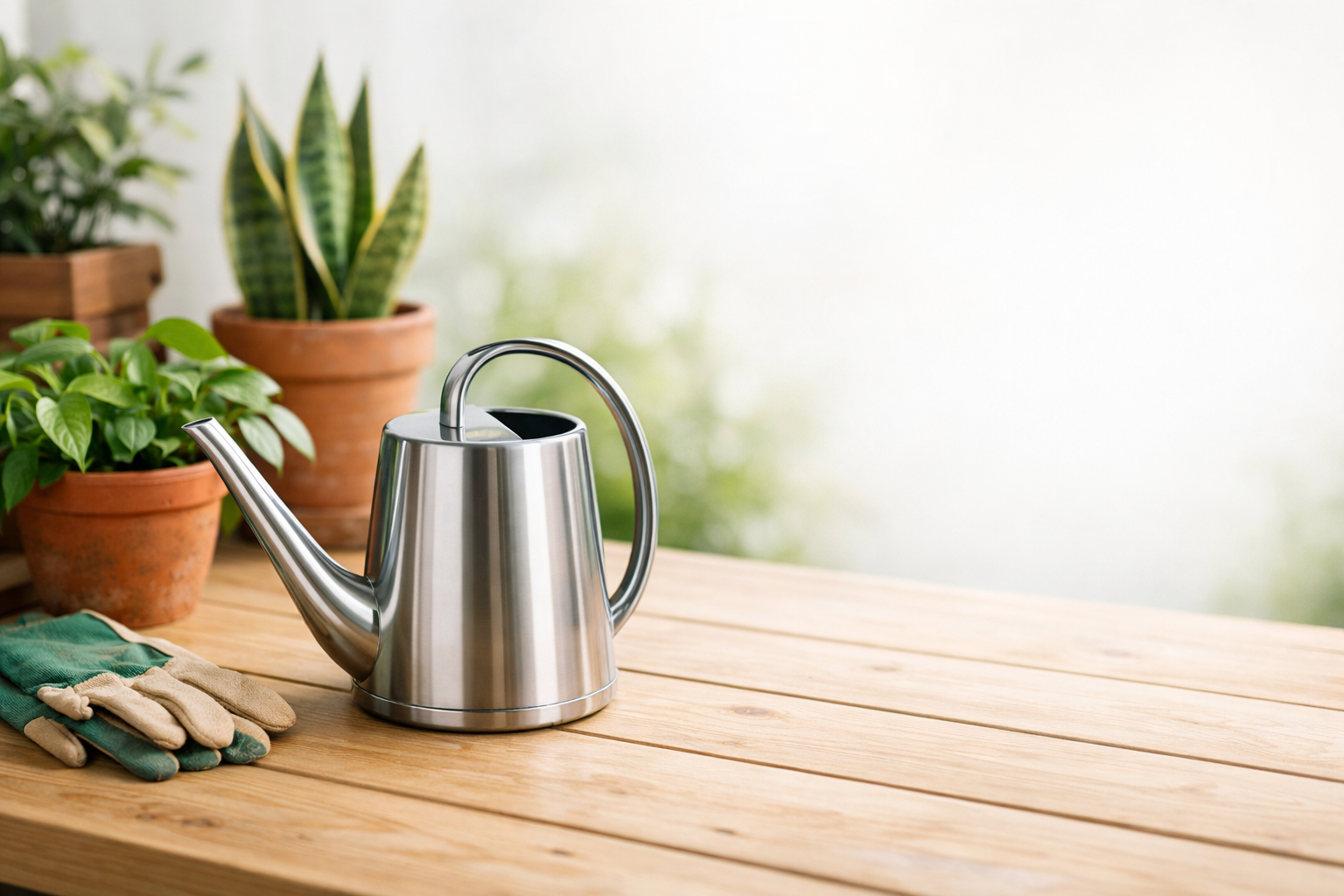
Watering can shopping isn’t as simple as grabbing the nearest plastic jug—making the right choice can save you time, hassle, and money year after year. In 2024, watering cans remain a must-have for plant lovers, but performance and longevity now vary wildly based on material, design, and price. This practical guide highlights what matters most, why metal and stainless steel watering cans are on the rise, and actionable ways to avoid the most common pitfalls and buyer regrets.
Key Takeaways
- Metal and stainless steel watering cans lead in durability and style but require savvy selection to avoid rust and leaks.
- Smart shopping means matching capacity and weight to real-life use, inspecting build quality, and not falling for decorative “imposters.”
- Premium cans with dual handles, fine spray roses, and trusted brands are worth the higher price for serious gardeners.
- Why Watering Can Quality Matters in 2024
- How to Choose a Watering Can: Step-by-Step Buying & Usage Guide
- Advanced Analysis & Common Pitfalls (What to Watch Out For)
- Conclusion: Pick the Best Watering Can For Your Needs
- Frequently Asked Questions
Why Watering Can Quality Matters in 2024
Watering cans are more essential—and more varied—than ever before. The global market sits at $0.65–1.2 billion for 2024, and it’s projected to grow steadily thanks to continued interest in gardening and the sustainability movement. But not all watering cans are created equal. Most are still plastic, but stylish, metal, and stainless steel cans are carving out a fast-growing premium niche—especially among gardeners who care about both performance and décor value[source].
Think about the frustrations: leaks at the spout, rust after one rainy season, plastic handles snapping, or a can so heavy when filled that it strains your wrist. Most users discover the real differences only after the first season or two—which often means money wasted on poor materials. That’s why understanding signs of quality and real-life drawbacks is vital when buying a watering can today.

How to Choose a Watering Can: Step-by-Step Buying & Usage Guide
- Pick the Right Material for Your Needs
- Plastic: Cheap, lightweight, but prone to cracking or UV damage in 1–3 years unless UV-resistant. Good for temporary or indoor use.
- Galvanized/Powder-Coated Steel: Sturdy, affordable midrange; look for thick gauge and tough powder coating for rust resistance. Requires occasional cleaning and dry storage.
- Stainless Steel: Best for long lifespan (10+ years) and rust resistance, especially for indoor and countertop cans. Usually smaller (0.5–1.5 liters) and more expensive.
- Match Capacity and Weight to Actual Use
- Indoor/Houseplant use: 0.3–1.5 liters (0.1–0.4 gallons) is easy to handle, even for older users.
- Outdoor/Balcony: 5–10 liters (1–2.6 gallons) reduces refills but can be over 10 kg when full. Dual handles help control.
- Consider ergonomics—especially dual handles for outdoor sizes, and check empty/full weights in the specs or with an in-store test.
- Inspect Key Features Up Close or in Photos
- Look for solid welds and seams. Any sign of gapping or unevenness around the spout, handle, or rose likely means risk of leaks.
- Check for removable roses, fine-holed rose (shower head): it offers both a soft spray for seedlings and direct pour for mature plants. Removable roses are easier to clean and replace.
- For metal/stainless models, ensure coatings cover the interior as well as exterior to further reduce rust risk.
- Balance Budget with Longevity and Brand Reputation
- Under $10 can be tempting but comes with a high risk of early breakage and leaks. Reputable heritage brands (like Haws, Burgon & Ball) command higher prices for a reason: better build, real warranties, and fewer complaints after years.
- Don’t Overlook Reviews—And Read the Worst Ones
- Negative reviews are a gold mine for spotting pattern problems—especially leaks, poor balance, or fast rusting. Look for mentions of “seam leakage,” “handle failure,” or “rose clogged in weeks.”
- Favor products with real photos showing welds, internal seams, and true-to-life color/finish.
- Use and Care for Maximum Life
- Empty after use—especially metal cans—to prevent standing water and rust formation.
- Store indoors in winter or in freezing climates. Outdoor storage speeds up aging for both plastic and metal.
- Clean shower heads regularly to prevent clogging. Use a pin or soak removable roses in vinegar if watering with hard water.

- Want the prettiest metal can for inside or outside? Heritage models from Haws and Burgon & Ball consistently top independent testing for their thick metal, removable fine-spray rose, and dual handle design—though they cost more, they often last a decade or more[source].
- Need a budget pick? Stick with mid-priced, UV-resistant plastic (ideally $15–30) or powder-coated steel cans from trusted brands, but inspect closely for seam quality and avoid all ultra-light models. For true “decor that works,” see our top Art Deco home decor picks.
- Looking for the lowest-maintenance indoor option? Go stainless steel; the shine looks showy on a shelf and you can get 10+ years with minimal care—even if occasionally left wet. For more kitchen upgrades, explore these must-have kitchen essentials.
Advanced Analysis & Common Pitfalls (What to Watch Out For)
Buying a watering can in 2024 means sorting out real long-term value from quick looks and marketing spin. Here’s what the research and thousands of actual user reviews reveal about common pitfalls:
- Poor Leak Protection: The #1 complaint for both plastic and cheap metal cans is seam or joint leakage—especially where the spout meets the body or handle joins the tank. If reviews mention leaks or show water marks near seams, skip that model. Leaks are rarely fixable and are the top “never buy again” reason.
- Rust Risk (Metal/Steel Only): Even good galvanization can start to fail if chips, scratches, or worn edges expose the metal. Weld seams and interior bases are common first rust points. Opt for powder-coated or stainless steel if you want true rust resistance, and check that the manufacturer covers rust in its warranty terms.
- Plastic “Too Cheap” Syndrome: Under $10, expect handles that flex under weight, side walls that bow, and cracked seams after a single summer in the sun. Reviews often attach photos—unlike metal, most plastic cans can’t be repaired.
- Unstable or Ergonomically Awkward Designs: Cans that tip easily when paused or feature a single, thin handle can strain wrists, especially in 5+ liter sizes. Dual handles (top + rear/side) and a low, wide base are strong signs of a can that won’t frustrate you or spill mid-walk.
- Clogged or Overly Fast Roses: Cans with very fine rose heads deliver a gentle “rain,” but cheap units clog easily and are hard to clean if not removable. Conversely, too-large holes gush water and can uproot seedlings. Removable, stainless or brass roses remain the gold standard. For other essential gardening tool features to avoid, compare standout guides like our Lowe’s Home Improvement Store guide.
- Aesthetic Disappointment: Budget decorative cans often look better online than in reality—paint finish, actual capacity, or even stability may fall short. Check for real-life photos and avoid “too cute to use” models for serious gardening.
Here is a concise side-by-side comparison of lifespan, environmental impact, and recyclability:
| Aspect | Plastic | Metal (Steel/Galvanized) | Stainless Steel |
|---|---|---|---|
| Typical Lifespan (outdoor) | 1–5 years | 5–15 years | 10–20+ years (mainly indoor/covered) |
| Production Impact | Lower/unit; fossil-based | Higher energy; often recycled content | Higher energy; recycled alloy; high scrap value |
| Recyclability | Low in practice | Widely recyclable (scrap steel) | Highly recyclable, valuable scrap |
| Degradation | Cracking, UV breakdown, microplastics | Rust, coating chips | Very slow corrosion in harsh conditions |
| Best Use Case | Temporary, lightweight needs | General garden, long-term if maintained | Indoor, design-conscious, low-maintenance |
If you want to dig into environmental comparisons for other home tools, our best non-toxic air fryer guide explains longevity and safe materials for the kitchen just as clearly.
For even deeper detail—including numbers on market growth, brand highlights, and regional trends—see the latest independent watering can research reports.

Conclusion: Pick the Best Watering Can For Your Needs
Buying the right watering can is a long-term investment—whether you’re nurturing houseplants or keeping a backyard vibrant. Metal and stainless steel models outlast cheap plastic by years, but require checking for seam quality, true rust protection, and ergonomic handles. Heritage brands offer “buy once, keep forever” value, while middle-tier options meet most needs with a sharp eye for design details. Reviewing negative feedback is just as important as glowing praise.
Make your next watering can purchase an upgrade, not a gamble: weigh capacity vs. real-life lifting, study online reviews for pitfalls, and choose a model designed to last for your specific space. Ready to find other home and garden essentials that really work? Browse our indoor cat essentials and top tumbler picks for travel for more smarter, hassle-free home upgrades.
Frequently Asked Questions
What is the best material for a watering can: plastic, steel, or stainless steel?
Stainless steel offers the longest lifespan, especially indoors, and resists rust better than steel or plastic. Well-made galvanized or powder-coated steel is a good, more affordable outdoor option. Plastic cans are cheapest and lightweight, but often fail after 1–3 years outdoors unless they’re UV-resistant.
How do I prevent rust inside my metal watering can?
Always empty your can after use, let it dry, and store it out of the rain. Occasionally rinsing and drying the interior helps, and you can coat new cans with a food-safe silicone spray for extra insurance. Avoid using fertilizers or chemicals, as they accelerate corrosion.
Why do some watering cans leak at the spout or handle?
Poor seam welding or thin plastic makes joints vulnerable to leaks, especially when filled to the brim or dropped. Check reviews and product photos for visible seam quality before buying—heritage brands and higher-priced models usually have fewer leak complaints.
Are expensive watering cans worth the money?
If you’ll use your watering can dozens of times each season, higher-priced models from reputable brands (especially metal or stainless) last much longer, pour more smoothly, and resist damage. For decorative use or rare watering, a midrange or quality plastic model may suffice.
How can I clean a clogged or dirty shower head on my watering can?
If the rose is removable, soak it in vinegar to dissolve hard water deposits. Use a pin or toothpick to gently clear blocked holes. Always rinse thoroughly before reattaching. Non-removable roses may require soaking the whole spout and some patience.
As an Amazon Associate, I earn from qualifying purchases. If you buy through links on this page, I may receive a small commission at no extra cost to you. This helps support the site and lets me keep creating helpful, free content.