


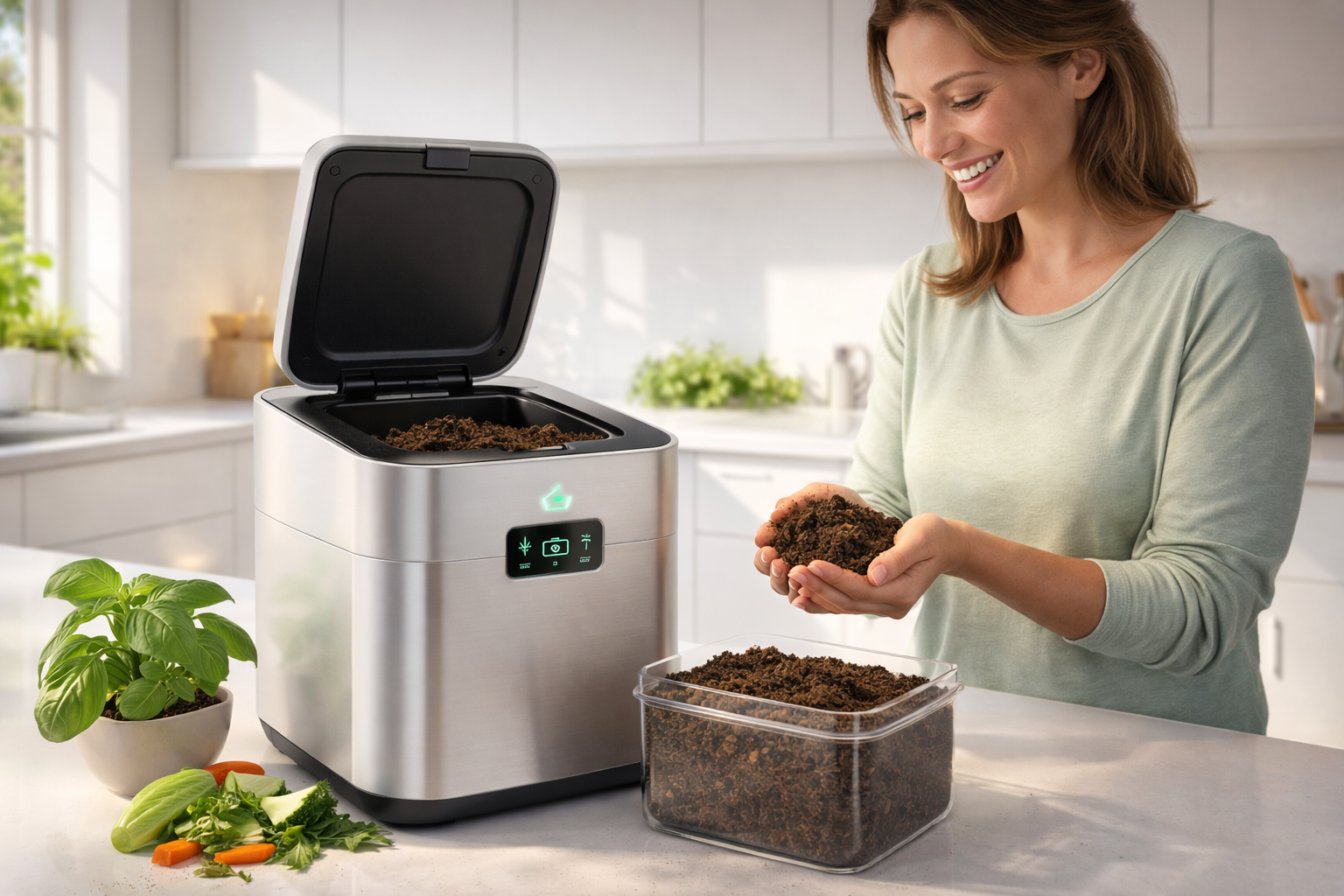
Electric kitchen composter products are changing how households handle food waste, but their performance, cost, and real value are often misunderstood. With new smart features, rapid processing, and growing market adoption worldwide, it’s crucial to understand what these machines can (and can’t) do—before you invest.
Key Takeaways
- Electric kitchen composters offer fast, semi-automated food waste reduction, but most don’t produce true mature compost in 24 hours.
- Expect purchase costs of $300–$1,500+ and ongoing expenses for filters, maintenance, and electricity; evaluate value compared to traditional compost bins or collection services.
- Output quality, energy use, and capacity are frequent user pain points—research your options carefully and be realistic about what fits your kitchen and lifestyle.
- What Is an Electric Kitchen Composter, and Why Consider One?
- How to Use an Electric Kitchen Composter: Step-by-Step Guide
- Performance, Pitfalls, and How These Machines Stack Up
- Conclusion
- FAQ
What Is an Electric Kitchen Composter, and Why Consider One?
An electric kitchen composter is a countertop or small-floor appliance that uses heat, aeration, and grinding to process household food waste into a dryer, reduced-volume output—usually in 4 to 24 hours. Unlike a simple outdoor bin, these machines aim to make food waste reduction simple in apartments or urban homes. Usage is rising fast: by 2032, global demand for electric kitchen composters could exceed $1–2 billion, with Asia-Pacific as the fastest-growing region and North America leading in adoption (source, source).
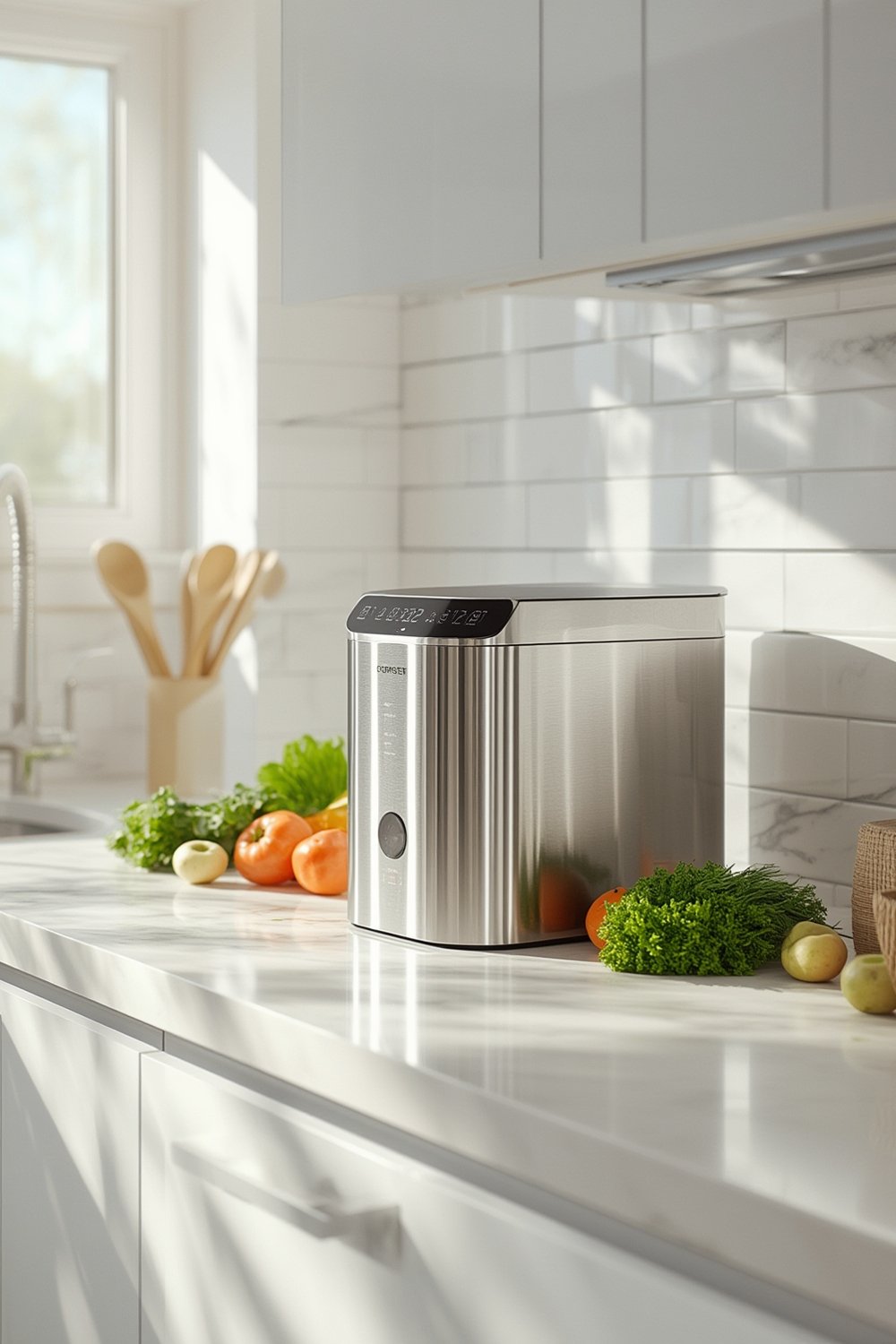
Most electric composters promise quick results and virtually effortless food waste management. They appeal to those lacking outdoor space or time for traditional composting, and are marketed for their odor-control filters, rapid waste reduction, and “easy compost” output. However, true compost needs sustained microbial activity, which these machines may not fully achieve in every cycle. Understanding the tech and output is key before purchasing.
Curious about other ways to keep your kitchen organized and fresh? See 3 smart home upgrades for an organized kitchen for ideas that pair well with your sustainability efforts.
How to Use an Electric Kitchen Composter: Step-by-Step Guide
- Find a suitable spot: Place your composter on a flat, stable surface near a power outlet. Make sure there’s room to ventilate, especially if your kitchen is small.
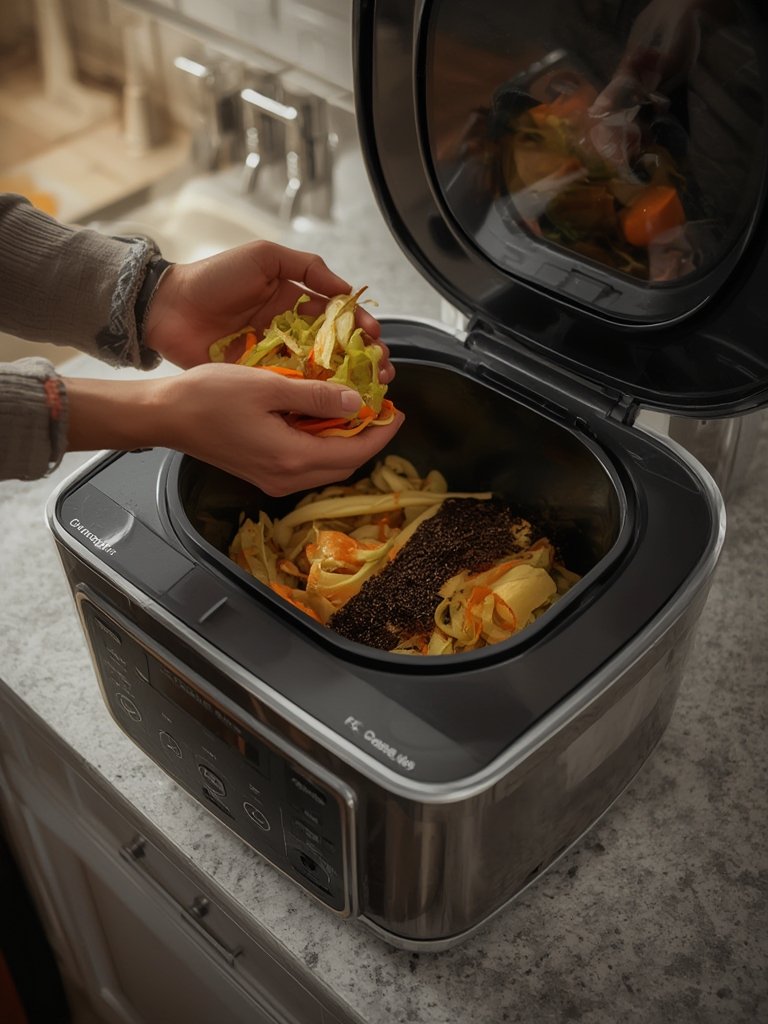
- Collect daily food scraps: Feed your composter with kitchen waste such as fruit/vegetable peels, coffee grounds, bread, and small plate scraps. Most units handle 2–5 liters per batch; check the manual for what should be excluded (some struggle with large bones, hard pits, or excessive oils).
- Pre-process if needed: Cut tough or large items into smaller pieces, especially if your unit’s manual recommends it. Avoid exceeding the fill line to prevent odors or system strain.
- Start the cycle: Close the lid securely, select the appropriate mode (standard, eco, or rapid), then press start. Some models offer app-based remote controls or programmable schedules.
- Wait for processing: Typical cycle times range from 4–8 hours, but some “rapid” models complete a cycle in about 2 hours. Many require multiple cycles if you’re processing large amounts daily.
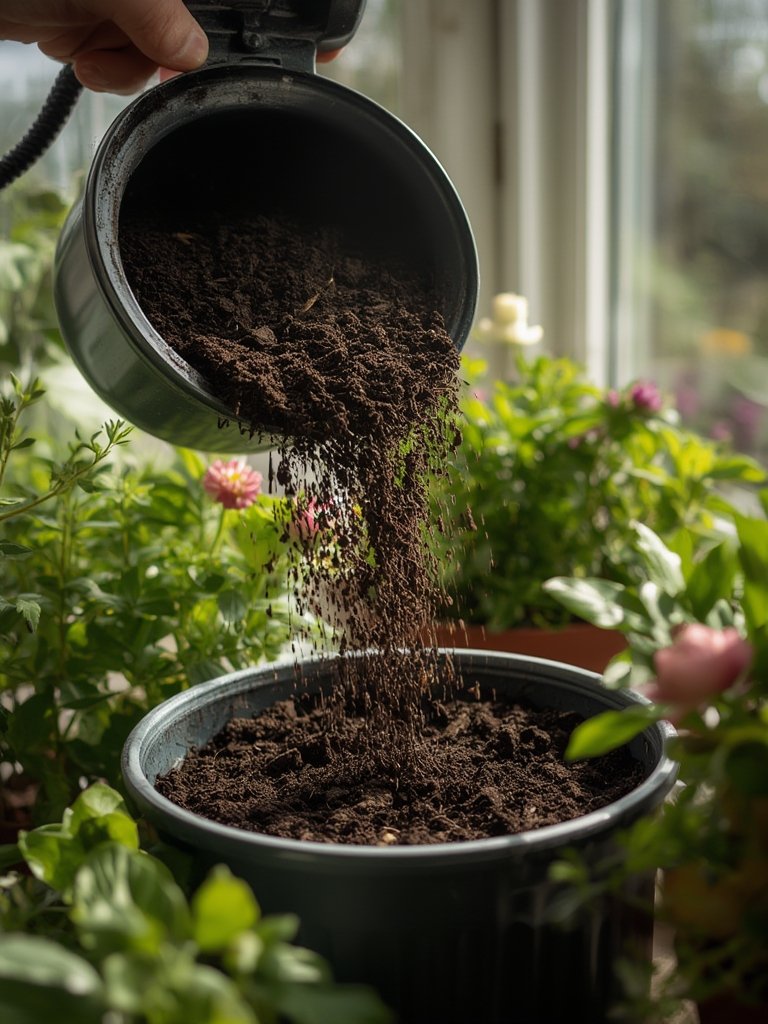
- Remove and store the output: Once complete, let the bucket cool, then empty it into a garden, plant pot, or municipal compost collection—following guidance on whether the output needs further aging.
- Clean and maintain: Wipe down internal buckets, Replace your carbon filter as instructed (usually every few months), and look out for mold or residue buildup.
Want a fresh-smelling, clutter-free cooking space? Check out cozy kitchen gifts for more smart kitchen gadgets you’ll actually use.
- PFAS-free air fryer picks for healthy kitchens
- 2026 kitchen essentials for instant upgrades
Performance, Pitfalls, and How These Machines Stack Up
Electric kitchen composters can be effective—but they’re not without drawbacks. Below is a detailed look at the pros, cons, and how these machines compare to other food waste solutions.
| Comparison Area | Electric Kitchen Composter | Traditional Backyard Compost | Indoor Food Recyclers (Bokashi/Worm Bin) |
|---|---|---|---|
| Speed | 4–24 hours per cycle (but NOT true compost) | 4+ weeks (slow but complete) | 1–4 weeks (depends on method) |
| Odor Control | Good if maintained; filters can fail | Potential odor outdoors | Good indoors if managed |
| Noise & Heat | Noise and vibration output | Silent | Silent |
| Volume Reduction | Up to 70–90% per cycle | Variable, over months | Moderate (10–70%) |
| Running Cost | $0.05–$0.45/cycle (plus filters/maintenance) | Minimal, time only | Low (unless buying worms/Bokashi) |
| Output Quality | Not true compost; may need further aging | Mature compost | Rich compost/soil amendment |
| Ease of Use | High—just load and start (but requires cleaning and filter changes) | Manual labor and space needed | Setup/daily care needed |
| Environmental Impact | Reduces landfill waste but uses electricity, has device footprint | Lowest energy, highest soil benefit | Very low energy use, good soil output |
Frequent Problems and What to Watch For
- Not actual compost: Output is often a dry, partially decomposed material—sometimes just dehydrated waste instead of true, microbially active compost.
- Odor issues: Filter maintenance is essential, and buckets may develop mold if food is left sitting too long.
- Noise and vibration: Many units are noticeable in open kitchens. Run cycles at off-peak times to minimize disruption.
- Energy costs: Models can use 0.5–1.5 kWh per run; costs can add up, especially with daily use and higher electricity rates (source).
- Capacity limitations: 2–3L units won’t handle big meal prep or family-scale waste easily. Look for 5L+ if you cook often.
- Maintenance pain: Frequent cleaning and replacing filters or additives is required. Some users report costly or hard-to-find replacement parts.
- Usability hiccups: Bulky design, complex controls, unclear instructions, and heavy buckets are common complaints.
- Value trade-off: High upfront cost, plus ongoing expenses, make it important to compare these machines honestly with low-tech bins or organics collection programs.
Want your kitchen to run smoother? Pair your eco upgrades with an organized style—here’s a checklist for Art Deco furniture and decor that brings both function and beauty to your home.
Emerging Features and Innovations (2024)
- Smart controls: App monitor, cycle analytics, auto alerts for filter changes (source).
- Improved filtration: Multi-stage systems, UV/germicidal options for better hygiene and odor management.
- Bigger, modular units: Residential machines are trending above 5 liters, and prosumer/commercial variants are hitting the market.
- User-focused safety and simplicity: Intuitive controls, better insulation, safety shutoff, and even one-touch start modes.
If you’re looking to create a truly functional kitchen, don’t miss these must-have kitchen upgrades for a more organized space.
Environmental Impact: Pros and Cons
- Positive: Cuts waste to landfill and can lower methane emissions, especially useful if your city has limited organics options (full analysis).
- Negative: Uses electricity (carbon impact depends on your grid), and device manufacturing adds embodied energy and e-waste concerns.
- Key Factors: Highest eco-benefit comes when output replaces landfill disposal and is actually returned to soil. If discarded as regular trash, much of the energy/environmental advantage is lost.
For a big-picture, see how appliance choices can affect both your wallet and the planet: 7 ways to save money with efficient home appliances.
Conclusion
An electric kitchen composter can simplify food waste reduction for apartment dwellers or busy families—if you accept its trade-offs. You’ll spend more upfront and need to maintain filters and power, but gain quick, contained waste reduction with less day-to-day effort than traditional composting. If real, soil-ready compost and ultra-low cost are your priority, traditional methods still win. But for many city kitchens, the convenience and odor control may justify the price.
Before buying any electric kitchen composter, research capacity, maintenance, and local electricity costs. Try it now—reduce waste, reclaim your countertop, and make composting doable even in small spaces. Want more advice? Check out our guides to organized kitchens and the best non-toxic air fryers for a happier, greener home.
FAQ
What exactly does an electric kitchen composter produce—is it real compost?
Most units produce a dry, partially processed material (sometimes called “pre-compost”) in less than a day. While this material can be used in soil or garden beds, it’s usually not mature compost—some further decomposition or aging in soil may be needed.
How much does it cost to run an electric kitchen composter?
Expect purchase prices around $300–$1,500. Operating costs include $0.05–$0.45 per cycle in electricity, plus periodic filter replacements and maintenance. Over several years, total cost of ownership can be significant, so compare with low-tech bins and municipal programs.
Do electric kitchen composters smell?
If you maintain filters and avoid overfilling, most run with minimal odors. Neglecting maintenance, using forbidden scraps (like large bones, excessive grease), or not cleaning the bucket can lead to smells and even mold.
Can I compost all food scraps in these machines?
No. Most units recommend avoiding large bones, fruit pits, oily foods, and certain fibrous materials. Always check your machine’s manual—overloading or wrong scraps can jam or damage the device, reduce performance, and create odors.
Do electric composters save more energy or emissions than traditional composting?
It depends. Electric units reduce landfill waste but use power and have a manufacturing footprint. For most households, traditional (outdoor) composting is lowest-impact, but not always practical in urban/apartment settings.
As an Amazon Associate, I earn from qualifying purchases. If you buy through links on this page, I may receive a small commission at no extra cost to you. This helps support the site and lets me keep creating helpful, free content.