


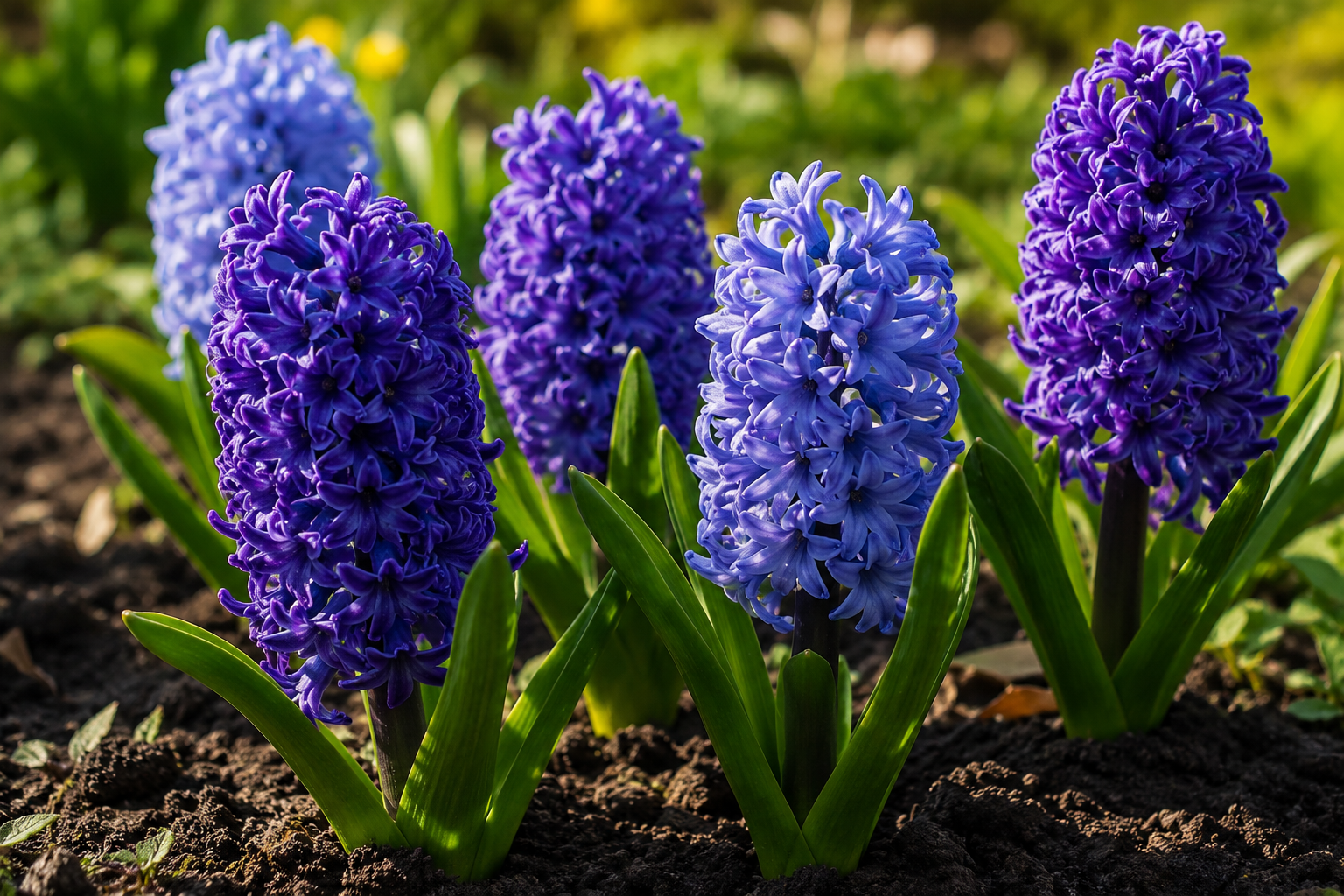
Jacinthe hyacinthus orientalis delivers dense, fragrant spring spikes—but only if you get the exact soil, depth, and temperature sequence right. Miss one key detail, and those legendary blooms fizzle. This stepwise guide shows you how to plant hyacinth bulbs for lush, salon-quality results: from precise soil fixes to the chilling schedule many skip, and realistic troubleshooting if things go wrong. You’ll get exact planting depths, soil amendment tactics for any bed or pot, a science-backed bulb chilling routine, fixes for weak blooms, and a printable checklist at the end.
Key Takeaways
- Bloom quality in jacinthe hyacinthus orientalis depends on a 12–14 week chilling sequence and exact soil amendments (aim for sandy loam, neutral pH, flawless drainage).
- Plant bulbs point-up at 4–6 inches (10–15 cm) deep, with about three times the bulb height, and don’t crowd them—spacing is critical for dense spikes.
- Most failed blooms come from wrong depth, poor drainage, early foliage cutting, or skipping the multi-phase chilling—each has a quick fix below.
- Quick snapshot — what makes jacinthe (Hyacinthus orientalis) special
- Step-by-step guide to perfect hyacinth blooms
- Advanced analysis & common pitfalls
- Conclusion & quick checklist
- FAQs
Quick snapshot — what makes jacinthe (Hyacinthus orientalis) special
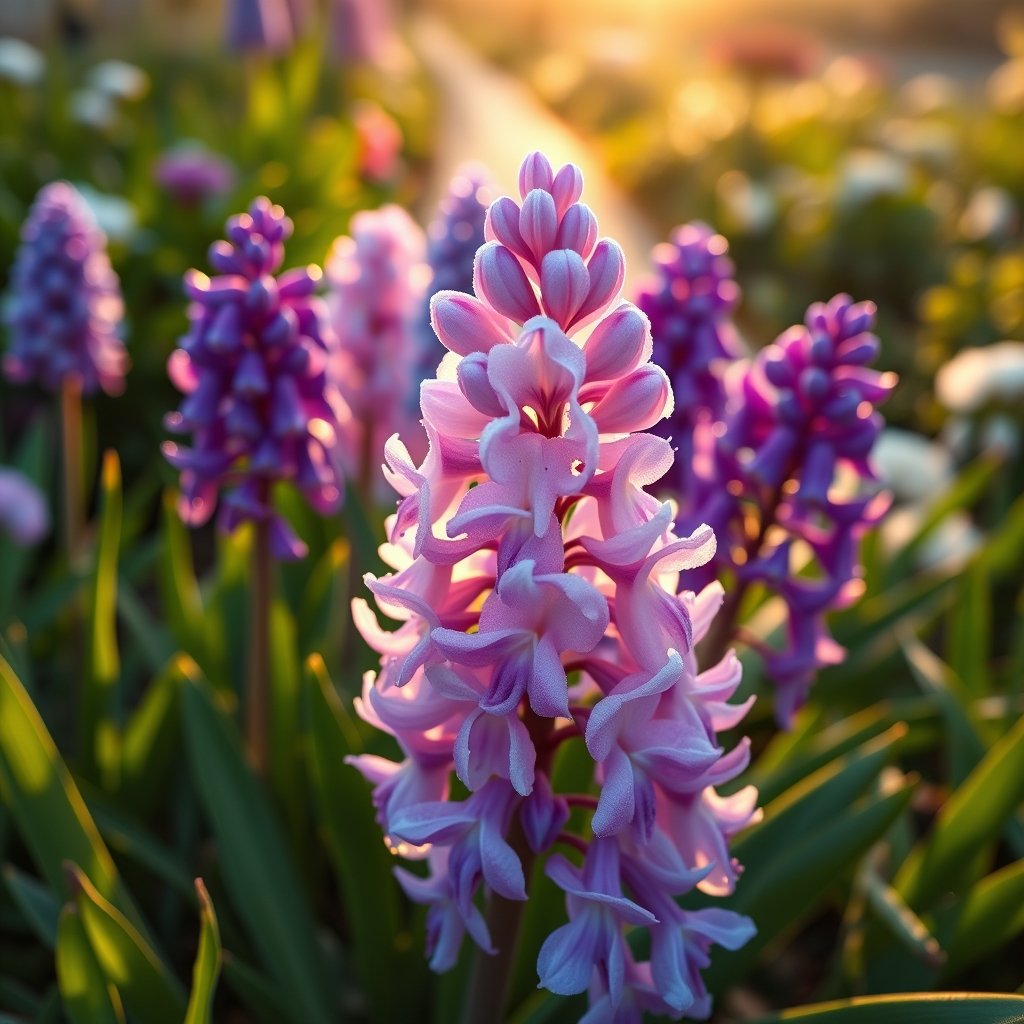
Jacinthe hyacinthus orientalis isn’t just another spring bulb—its waxy, tight flower spikes and knockout scent have been bred for centuries, but they’re finicky. What sets top blooms apart is the pre-plant treatment: chill the bulbs at the optimal time and amend your soil correctly, and you’ll get salon-grade, dense flower spikes. Skip these steps and even a big, healthy bulb can underperform in year two. Research confirms: bulb performance and spike density sharply decline if post-harvest handling or chilling are even a week off. I first noticed the difference after switching to pre-chilled bulbs: spike density improved in one season.
Step-by-step guide to perfect hyacinth blooms
If you want those show-quality spikes, tackle your site, soil, depth, chilling, and planting each with precision. Here’s how to do it in beds or containers:
1. Prepare your site and soil for hyacinths
Hyacinths thrive in neutral pH (6.8–7.3), well-draining, fertile, crumbly loam. If your garden has heavy clay, don’t just dig a shallow hole—loosen soil at least 12 inches (30 cm) deeper than you plan to plant, then blend in coarse sand, well-aged compost, and peat moss (I use a 2:1:1 ratio for clay). For sandy soils, add peat and compost to get moisture retention without sogginess. Never fill the bottom of your planting hole with gravel or other material—root burn happens, and spikes shrink. In my garden’s heavy clay, digging a foot deeper and adding these amendments finally turned soggy beds into bloom zones.
2. Dial in planting depth and spacing
Knowing when to plant hyacinth bulbs is just as important as how deep you go. Plant bulbs point-up at a depth of 4–6 inches (10–15 cm) for standard Hyacinthus orientalis varieties, or 6–8 inches (15–20 cm) for jumbo bulbs — follow the “three times the bulb’s height” rule exactly. When learning how to plant hyacinth bulbs, spacing is critical: allow 4–8 inches (10–20 cm) between bulbs and never crowd them. Planting too shallow risks frost damage; too deep and they may not emerge at all. Switching to this three-times-height depth method fixed both emergence failures and frost issues in my own beds.
3. The vital storage & chilling stage (nearly always missed)
This is where most hobbyists trip up. For blooms to set, bulbs need a staged cold period: 3–4 weeks at 40–60°F (4–16°C) with some moisture to stimulate roots, then 8–10 more weeks at 32–40°F (0–4°C). Do not store below 39°F right away or bulbs may rot. Use a dark, ventilated place—not a plastic bag. When I started the two-step protocol, rooting and spike size improved fast. If bulbs come pre-chilled, skip home chilling but plant promptly.
4. Planting process (beds and containers)
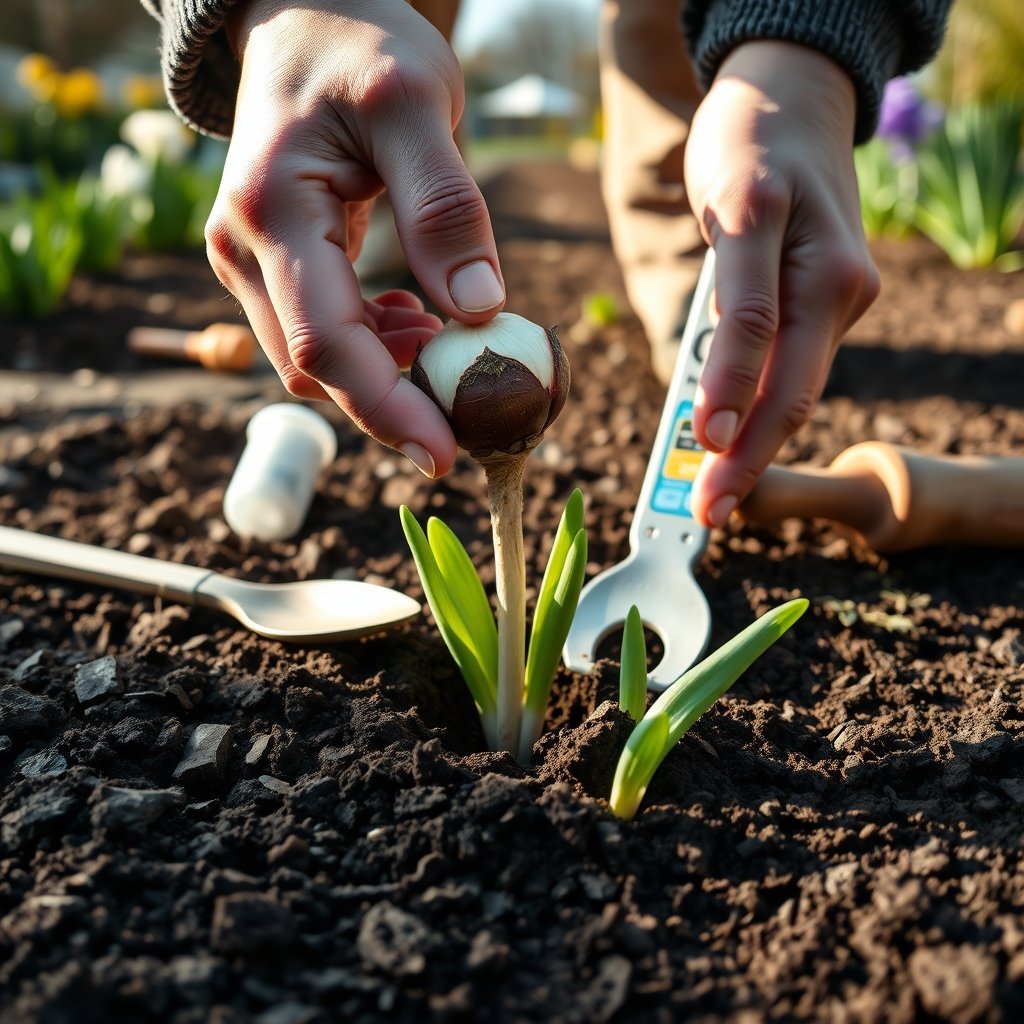
- Prepare holes: Use a narrow trowel or bulb planter. Water the hole lightly if soil is dry.
- Set bulb: Place bulb point-up, flat base down, depth as above.
- Backfill and tamp: Fill gently, tamp soil flat (don’t mound). Tamping lightly and watering once immediately has reduced sinkage and pooling for me.
- Water in: Soak thoroughly, but ensure drainage stays perfect. In containers, water just until moist—never soggy.
- (Container bonus): If you garden in zone 4–7, overwinter containers in a cool, dark spot like a garage (not warmer than 60°F). Stake any bulb over 16 cm with a slim 12-inch bamboo to prevent toppling.
5. Aftercare for ongoing bloom health
Water your jacinthe hyacinthus orientalis bulbs only when the soil feels nearly dry — never let them dry out completely during active growth. Stake larger Hyacinthus orientalis spikes early since they fold fast in heavy rain. Fertilize once as shoots appear using a balanced, slow-release food to support strong bloom development. Only trim foliage after it turns fully yellow — cutting too soon directly shrinks next year’s blooms, a mistake I learned the hard way. For container growers, overwintering your hyacinthus orientalis in a cool dark spot like a garage (no warmer than 60°F) keeps bulbs healthy and ready for the next season.
Advanced analysis & common pitfalls
Even seasoned gardeners make these mistakes with jacinthe hyacinthus orientalis—and one slip means weak or missing blooms. Here’s the reality check plus expert solutions:
| Common Mistake | How It Ruins the Bloom | Expert Fix |
|---|---|---|
| Planting too shallow (less than 4 inches/10cm) | Bulb may freeze, stunted or missing spike | Always measure depth; use a ruler or trowel marks |
| Going too deep (over 8 inches/20cm for standards) | Bulbs fail to emerge, rot risk high | Keep depth at ~3× bulb height, and never exceed 8 inches (20 cm) |
| Poor drainage—soggy soil or clay not amended | Rot sets in, healthy bulb dies, zero bloom | Loosen and amend clay by digging a full foot deeper, blend sand and compost |
| Skipping or shortening chilling | Spikes are weak, short, or don’t appear | Full 12–14 weeks at proper temperatures; log dates! |
| Plastic bag or sealed storage | Mold, rot, bulbs suffocate | Open trays, cool, ventilated location; never airtight |
| Cutting foliage too early | Bulbs lose energy for next year, spike shrinks by 30% next season | Wait for total yellowing before removing leaves |
| Overcrowding bulbs | Spikes stay small, competition for resources | 4–8 inches space per bulb—crowding never pays |
I once solved a neighbor’s endless rot problem by simply raising their bed, adding more coarse sand, and tracking actual chill weeks on a calendar. For persistent troubles, consider bulb performance declines and replace with new, pre-chilled stock—the simplest fix for “mystery” poor spikes.
Need troubleshooting for other flowers? Check out our gladiola planting and troubleshooting guide for comparison.
Conclusion & quick checklist
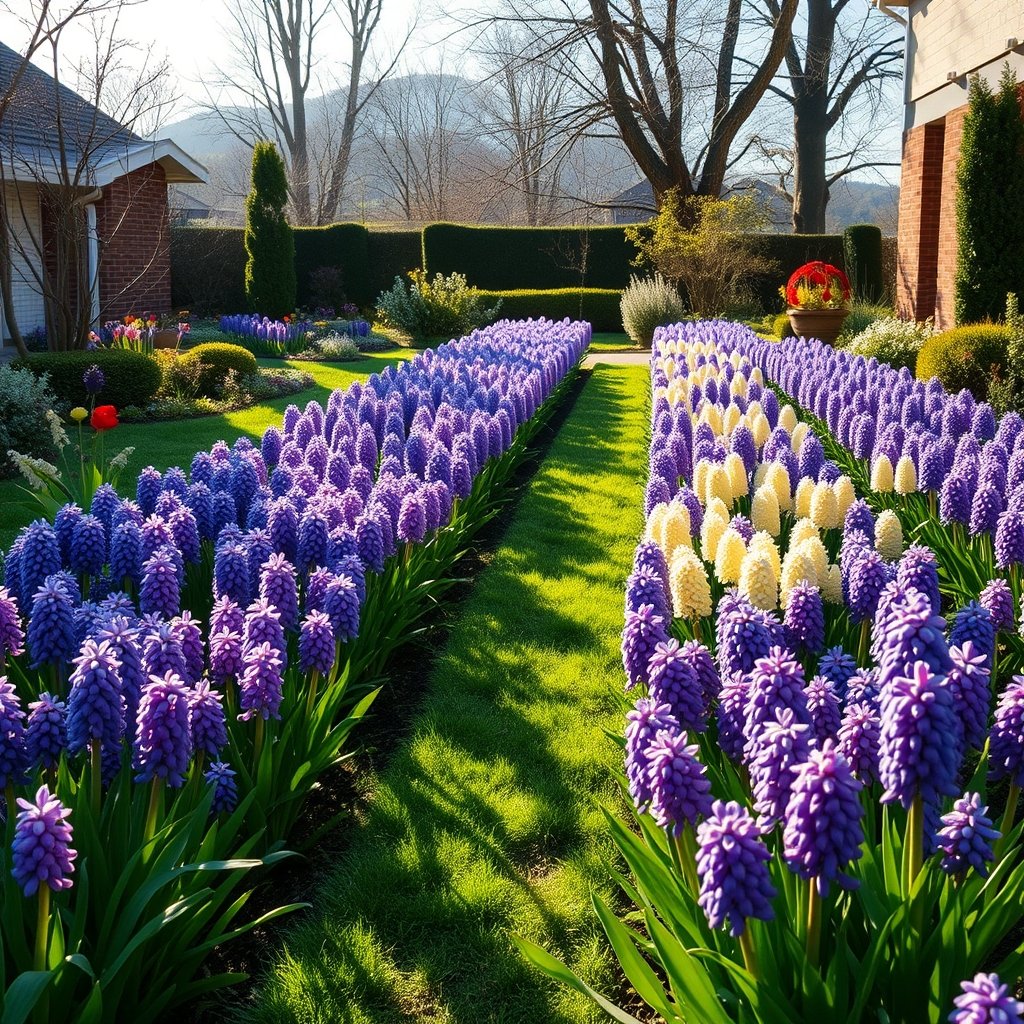
Growing jacinthe hyacinthus orientalis successfully comes down to getting every step right — well-drained, neutral soil amended as needed, the correct planting depth (4–6 inches/10–15 cm for standard bulbs, 6–8 inches/15–20 cm for jumbos), proper spacing, and a full 12–14 week chill period with root stimulation. Every common Hyacinthus orientalis failure — from weak spikes to no emergence at all — can be traced back to skipping one of these steps. Use the one-page hyacinthus orientalis planting checklist below to stay on track, share your gardening zone and results in the comments, and subscribe for an email reminder next bulb season. For more plant care guides, explore our posts on string of hearts care, jane magnolia tree seeds, or cat tail plant care. If you want more ideas for maximizing planting success, see our guides for string of hearts care, jane magnolia tree seeds, or cat tail plant care.
FAQs
How deep should I plant jacinthe hyacinthus orientalis bulbs?
Plant point-up at roughly 4–6 inches (10–15 cm) for standard bulbs and 6–8 inches (15–20 cm) for larger bulbs—aim for about three times the bulb’s height. This depth protects from temperature swings and supports robust spike development while preventing surface frost damage.
Do hyacinth bulbs need chilling before planting?
Yes—hyacinths need about 12–14 weeks of cold to bloom. Give bulbs 3–4 weeks at 40–60°F for rooting, then cooler temps (around 32–40°F) for the rest. If you’ve bought pre-chilled bulbs, follow the seller’s directions and avoid storing them long in plastic bags.
What soil mix produces the best hyacinth blooms?
Use rich, well-draining, neutral-pH soil—sandy loam is perfect. For heavy clay, dig a foot below planting and mix in sand, peat or leaf compost, and well-aged compost. Very sandy soils benefit from moisture-holding organic matter, but take care not to create soggy spots.
Why did my hyacinths rot after planting?
Rot usually follows poor drainage or wet soil. Hyacinths hate wet feet: amend clay, raise beds, never add gravel to holes, plant at the right depth, and ensure soil is damp but not soggy. That’s the surest way to prevent rot and enjoy healthy spikes.
When can I cut back foliage after flowering?
Wait for leaves to turn yellow and completely die back—this lets nutrients return to the bulb for the following year’s spike. If you cut green foliage too early, expect smaller blooms next time. Usually, it takes several weeks post-flower for leaves to brown.