


Cat tail plant is often written off as a messy weed—but it’s a cheap, proven tool for stabilizing banks, cleaning water, and supporting wildlife. They are not the poisonous menace many think. In this guide, I’ll debunk the safety myths, reveal the real science on their ecological value, and give you step-by-step, homeowner-tested tips for safely planting and containing cat tails around your pond or landscape.
Key Takeaways
- Cattails are generally non-toxic but need containment and monitoring—especially with children, pets, or small ornamental ponds.
- Science confirms cat tail plants filter water, stabilize banks, and support wildlife—but they can spread fast if not managed right.
- Most “how-to” posts skip critical details: proper water depth, spacing, barrier setup, and active maintenance are your keys to success.
- What is a cat tail plant (Typha)?—ID, species, and common varieties
- Safety myths vs. real risks for pets and children
- Proven ecological and environmental benefits
- Cultivation & care details most top articles skip (step-by-step)
- How to prevent and manage invasiveness (containment & restoration)
- Practical uses: landscaping, wildlife, and sustainable products
- Troubleshooting: pests, overgrowth, and water-quality flags
- Planting checklist & seasonal calendar
- FAQ
What is a cat tail plant (Typha)?—ID, species, and common varieties
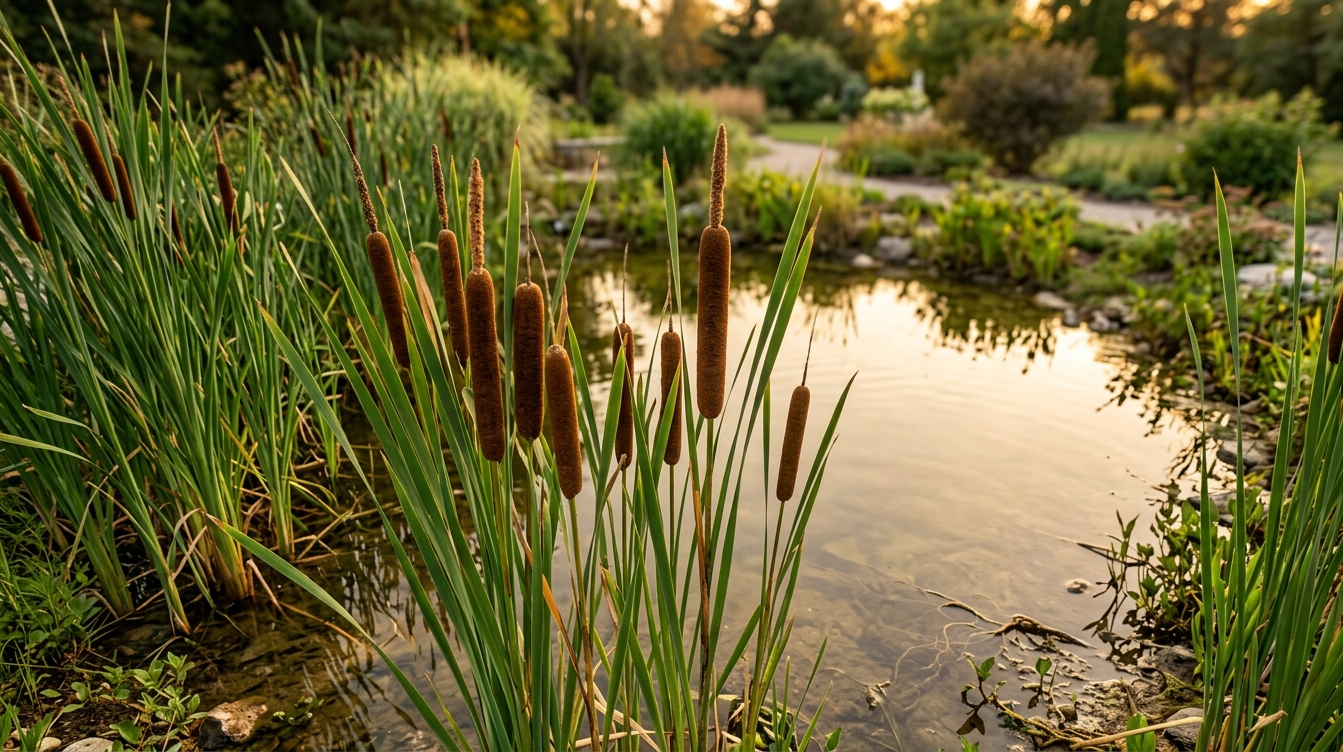
A cat tail plant, or “cattail,” refers to tall, reedy aquatic plants in the Typha genus. There are roughly 40 species worldwide. In North America, you’ll mostly see broadleaf cattail (Typha latifolia), narrowleaf cattail (T. angustifolia), southern cattail (T. domingensis), and hybrids like T. × glauca [source].
Cat tail plants are instantly recognizable by their flat, sword-shaped leaves and the famous, velvet-brown “corndog” seed spike.
When I first identified Typha at my town pond, I confirmed the broadleaf form by its wider leaves and single thick brown “corndog” seed spike.

Most grow in shallow, standing water—edges of ponds, wetlands, or drainage swales. Hybrids and narrowleaf types can mix in disturbed sites and sometimes dominate. Getting species right helps for both wildlife and management.
Learn more about cat tail plant botany here.
Safety myths vs. real risks for pets and children
Cattails have an undeserved reputation as highly toxic. The truth: cat tails plant is generally non-toxic for dogs, cats, and people—a fact backed by veterinary references and extension research [source]. The main realistic risks? Eating large amounts may trigger mild vomiting or diarrhea. More serious is choking: the fluffy, cottony seed heads can block airways, especially for small pets or young children.
I supervised after my cat chewed a seed head—it caused only mild vomiting, confirming the low-toxicity risk described above. To be safe, always keep an eye on pets and kids near mature cat tail plants and remove dense seed heads if they become a temptation.
Want a detailed pet safety approach? See our lavender and plant pet safety guide for more context on common garden plants.
Proven ecological and environmental benefits
Scientific studies show cat tail plants do more than add a wild edge: they stabilize eroding banks, filter runoff, absorb excess nutrients, trap sediment, host microorganisms that break down organic matter—and new research shows certain Typha species actually remove polluting materials in water [source]. Cattails offer critical refuge, food, and breeding sites for fish, frogs, dragonflies, waterfowl, and even pollinators like bees and butterflies.
After planting a small patch in my backyard runoff swale, I noticed clearer water and fewer algae blooms within a single season.
Plus, Typha biomass provides a greener alternative to peat moss—a key step for eco-friendly gardening [research].
For other smart water-friendly upgrades, check out these clean home ideas that reduce runoff and pollution.
Cultivation & care details most top articles skip (step-by-step)
To make cat tail plant thrive—without overrunning your space—follow these clear how-to steps:
- Site & Water Depth: Choose full sun to light partial shade. Select pond edges or flats with standing water 6–15 centimeters (2–6 inches) deep during the growing season. This range is critical—too deep or fluctuating water stunts growth.
- Soil & pH: Plant in mucky, silty, or loamy soils with neutral to slightly acidic pH (6.0–7.2 is ideal). Raised beds or containers work, if consistently wet.
- Propagation: Divide established rhizomes in early spring, or direct-sow seeds in moist trays. Bury rhizome sections horizontally, root-side down, 10 centimeters deep.
- Spacing: Place plants 30–45 centimeters (12–18 inches) apart. This limits aggressive clumping and supports healthy upright stems.
- Containment: Install an underground barrier—at least 60 centimeters (24 inches) deep—to block rhizome spread. For beds, heavy plastic root barriers or sealed planting tubs work well. Prune outer runners annually.
- Maintenance: Cut back stems in late fall after they die. Leave roots intact for winter habitat value. Avoid adding fertilizer—in rich soils, Typha can become invasive.
- Pest Monitoring: Check for aphids and rust fungi by mid-summer. Treat with a strong water spray or gentle insecticidal soap as needed. Don’t use chemical weedkillers near beneficial wetland plants.
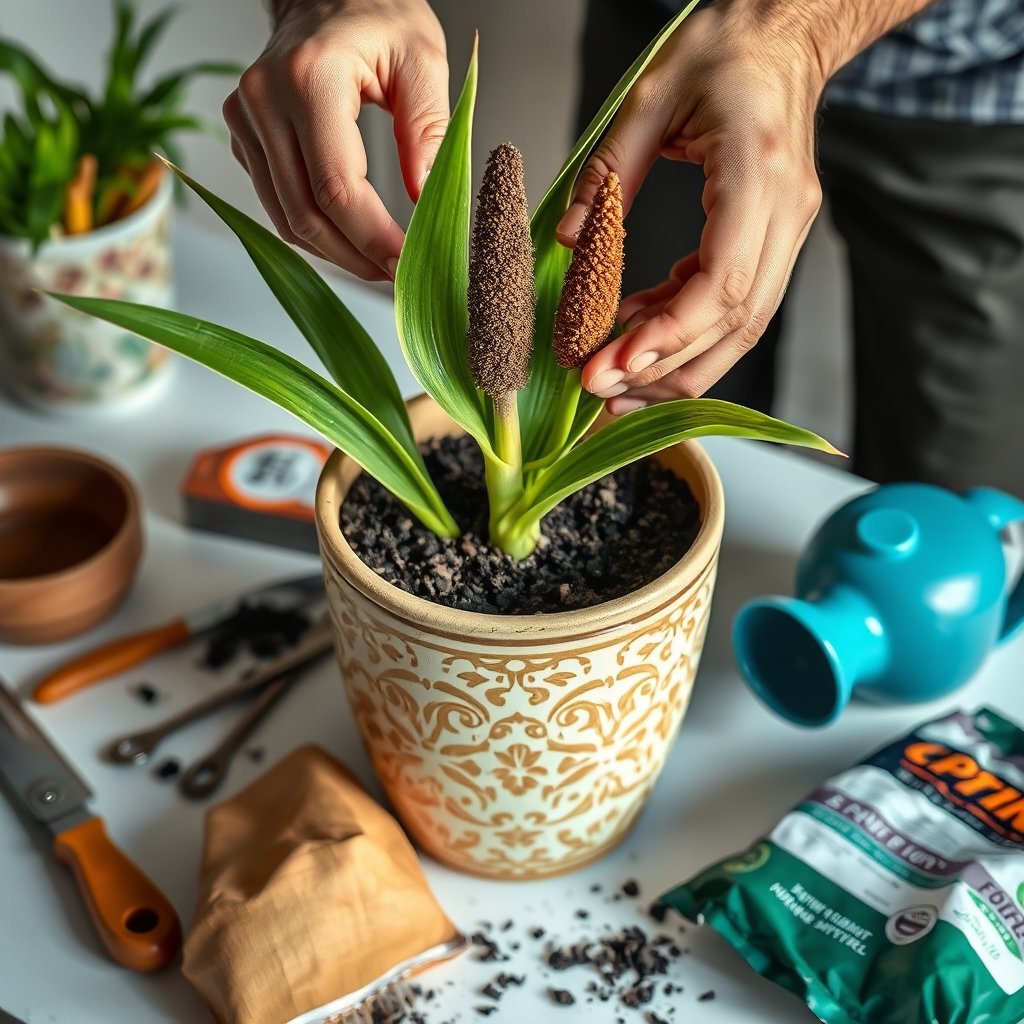
For best results, combine cat tail plants with native sedges or rushes along your pond edge —this creates a more natural, diverse wetland that’s easier to manage and more valuable for wildlife.
How to prevent and manage invasiveness (containment & restoration)
Narrowleaf (T. angustifolia) and hybrid cat tail plants (T. × glauca) spread rapidly via seed and especially their creeping underground rhizomes—often forming dense, impenetrable stands [research]. Native broadleaf types are slower but can still overrun small ponds if unchecked.
The best defenses are:
- Physical barriers: Sink root barriers at least 60 centimeters deep around beds or planting clusters. This blocks horizontal rhizome escape.
- Annual pruning: Each spring, use a serrated knife or spade to sever runners at the planting perimeter.
- Patch size: Keep patches under 2 square meters for small gardens; this helps avoid monoculture “takeover.”
- Targeted removal: For stubborn overgrowth, dig out outer clumps or carefully use aquatic-approved herbicides, always minimizing splash and runoff.
- Native restoration: After removal, replant native rushes or sedges to outcompete any stray regrowth and boost pond diversity [restoration approach].
Installing a 60 cm deep rhizome barrier around my bed stopped horizontal spread after the first season.
For more on eco-friendly landscaping, see inside tips in our landscaping services guide.
Practical uses: landscaping, wildlife, and sustainable products
Cat tail plant is far more than a background filler:
- Shoreline landscaping: Controls erosion with dense roots—especially along pond or rain garden edges.
- Wildlife value: Provides nesting cover, food, and shelter for everything from ducks and frogs to pollinating insects.
- Craft and décor: Dried “corndog” seed spikes make striking natural arrangements (tip: harvest before fluff opens for less mess).
- Biomass & Growing media: Typha stems break down fast and can replace sphagnum peat moss in potting mixes—a big win for sustainability [study].
- Fiber & bioproducts: Used experimentally for baskets, chair seats, and now even as engineered fiber blends [research].
Troubleshooting: pests, overgrowth, and water-quality flags
Even the best-managed cat tails plant can develop issues. Common problems I’ve seen:
- Pests: Occasional aphids or rust fungi may appear—look for leaf speckling, sticky residue, or distorted growth. Control with a stiff water spray or organic insecticides (never broad-spectrum chemicals).
- Overgrowth: Excess fertilizer or fluctuating water levels can trigger fast, choking expansion. If clumps block water flow or crowd other plants, thin them or remove whole sections in spring.
- Unhealthy water: Black, sulfur-smelling muck plus dieback can signal poor oxygen or nutrients—test water or consult a wetland specialist.
- Structural damage: Unrestrained rhizomes can crack pond liners or break containment—check barriers each season.
Aphids showed up one summer; a timed rinsing and monitoring program controlled them without chemicals.
| Problem | Symptoms | Fix |
|---|---|---|
| Aphid Infestation | Sticky sap, misshapen leaves | Spray with water, apply insecticidal soap if persistent |
| Rapid Spread | New shoots outside barrier | Prune rhizomes at edge, reinforce barrier |
| Yellowing Stems | Pale, limp foliage mid-season | Check water depth, reduce fertilizer |
| Choking Other Plants | Dense mats, loss of plant diversity | Thin or remove clumps, replant native species |
| Choking Hazard | Fluffy seed heads shed piles of cotton-like fiber | Trim seed heads before fluffing, monitor kids/pets |
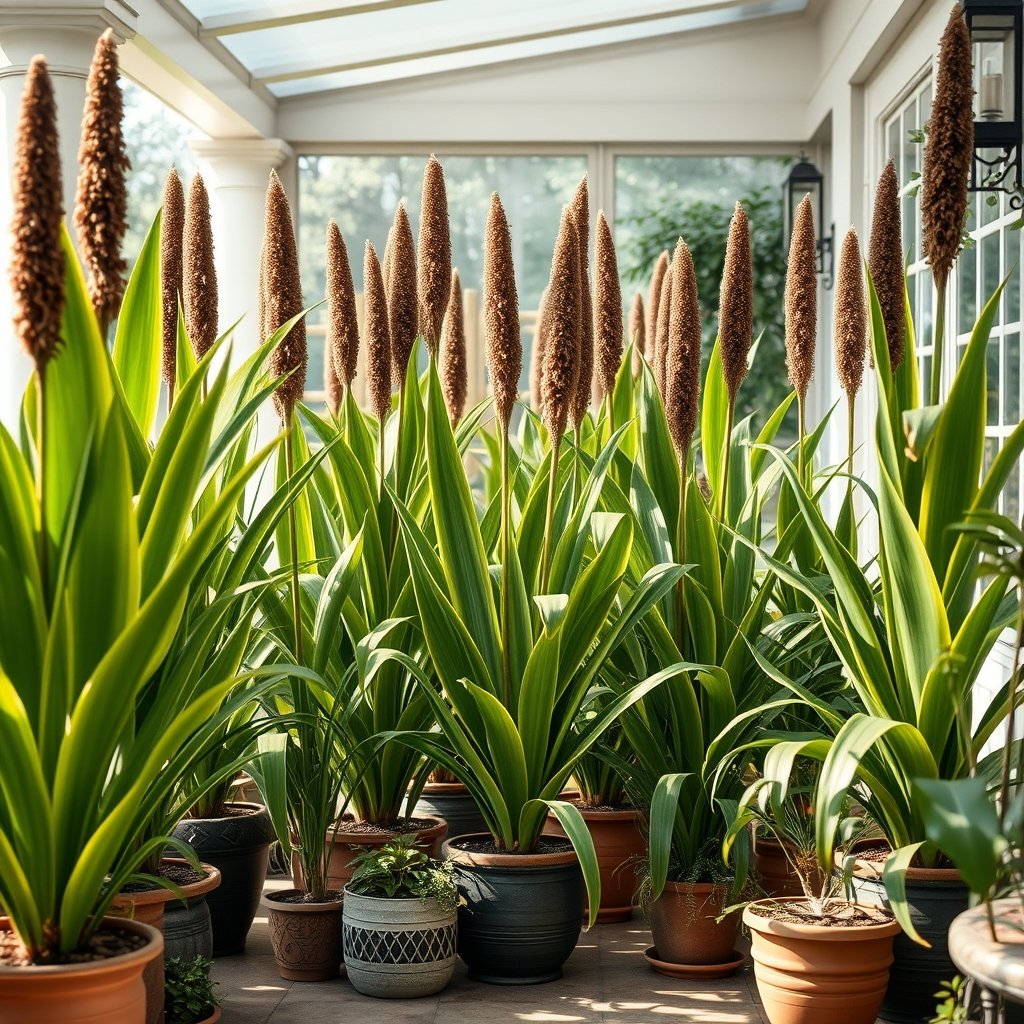
For healthy native alternatives or to troubleshoot other pond issues, visit our maintenance guides.
Planting checklist & seasonal calendar (quick actionable section)
- When to plant: Early spring, just before new shoots emerge and water warms.
- Propagation: Divide rhizomes or sow seeds in trays—both in early spring for best results.
- Spacing: 30–45 centimeters (12–18 inches) between plants for manageable coverage.
- Water depth: 6–15 centimeters (2–6 inches) above roots during growing season.
- Containment: Install barriers to at least 60 centimeters (24 inches) deep around intended patch.
- Routine care: Monitor for new shoots outside barriers, prune annually, cut dying stems in late fall, check for pests by midsummer.
- Winter care: Leave stems for wildlife habitat. Clean up as new growth returns.
- Warning flags: Sudden yellowing, stressed wildlife, blocked water flow—act fast to remanage the patch.
Use the seasonal checklist above as your year-round reference for planting, maintenance, and troubleshooting your cat tail patch.
FAQ
Are cat tail plants toxic to cats and dogs?
No—cattails are generally non-toxic. Eating large amounts may cause mild gastrointestinal upset, but the primary risk is the fluffy seed heads, which can be a choking hazard for small pets and children. Supervise play around mature seed heads.
Will cattails take over my pond or yard?
Some species (notably narrowleaf and hybrids) spread aggressively via seed and rhizomes and can form dense monocultures. Containment using rhizome barriers, regular pruning, and spacing can prevent unwanted takeover.
How deep should I plant a cat tail plant?
Plant in consistently shallow standing water—aim for 6–15 centimeters (2–6 inches) of water over the root zone during the growing season for best establishment and growth.
Can cattails improve my pond’s water quality?
Yes—cattails trap sediment, absorb excess nutrients, host microbes that break down organic matter, and recent studies show they can remove certain pollutants, making them effective natural filters when used in small, managed patches.
When is the best time and method to propagate cattails?
The best time is early spring. Propagate by dividing and planting rhizome sections or sowing seed; rhizome division gives faster, predictable results for establishing desired spacing.
Summary & CTA
Cat tail plant isn’t a villain — it’s a practical problem-solver. With the right water depth, proper spacing, and active rhizome barriers, you’ll enjoy a thriving wetland edge that naturally filters water
and welcomes wildlife — without the headaches of unmanaged overgrowth. Start small, follow the seasonal checklist above, and adjust as your patch establishes. Drop a comment below with your pond size and location and I’ll reply with tailored advice for your specific site. Ready to level up
your pond or rain garden? Let’s get planting.