


Disclosure: As an Amazon Associate, I earn from qualifying purchases. This means I may earn a small commission, at no extra cost to you, if you buy through links in this article.
Best soil for indoor plants is more than just a bag labeled “potting mix”—it’s one of the biggest reasons houseplants struggle, because dense, peat-heavy soils hold too much water and are far more prone to root rot than properly aerated blends. If you’ve lost a beloved monstera, watched pothos cuttings melt away, or fought endless fungus gnats, the wrong soil is probably the hidden culprit. In this guide, I’ll break down exactly which soil mixtures work best for every popular plant type (tropicals, aroids, succulents…) and recommend specific products and ratios based on careful research and comparison. No generic “all-purpose” bags—just practical, well-researched advice to help keep your plants thriving.
By Anass El Yassini | AllHomeImprovement.online | Updated May 2026
Key Takeaways
- Don’t rely on “all-purpose”—the best soil for indoor plants always matches your specific plant’s needs: aroids crave chunkiness, succulents need extreme drainage.
- Add 30–50% perlite, pumice, or bark to any basic potting mix to improve aeration, which helps reduce root rot and supports healthier root growth.
- Fungus gnats, yellow leaves, and slow growth are often soil problems. Switching to a well-draining mix can resolve many of these headaches.
- Why Soil Mix Matters: Root Rot, Slow Growth, and the Drainage Dilemma
- Soil Science 101: What Healthy Indoor Plant Roots Really Need
- Best Soil for Tropical Plants, Aroids & Foliage Showstoppers
- Best Soil for Succulents, Cacti & Drought Lovers
- The Secret Ingredients: Perlite, Coco Coir, Bark & Biochar
- How to Adjust for Large Pots, Terracotta, or Plastic Containers
- DIY Mixes vs. Store-Bought: When to Buy, When to Blend
- Soil Problems & Fixes: Yellow Leaves, Gnats, Mushrooms, and More
- Comparison Table: Best Indoor Plant Soils & Amendments
- Frequently Asked Questions
Why Soil Mix Matters: Root Rot, Slow Growth, and the Drainage Dilemma
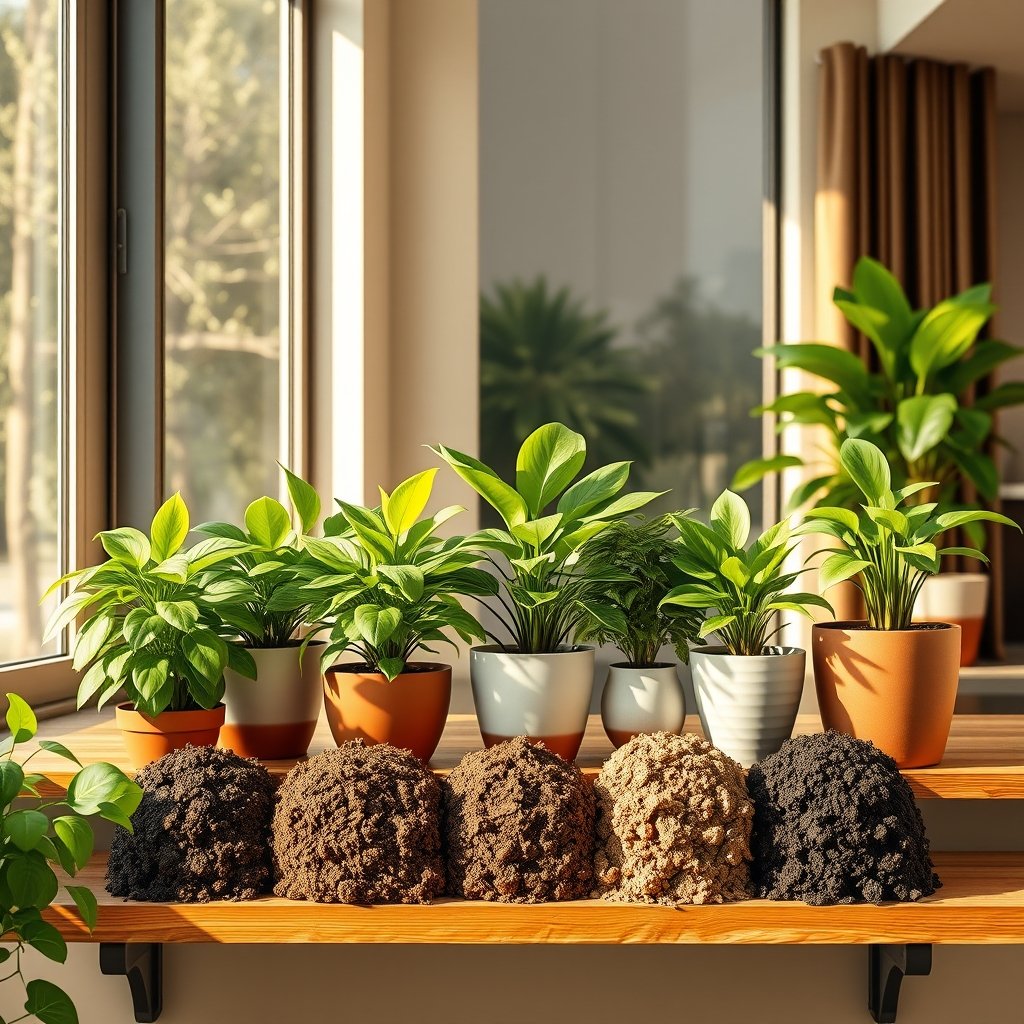
The best soil for indoor plants has little to do with what’s written on the bag—plant roots need oxygen as much as water. Mixes amended with 30–50% perlite or bark drain faster and hold more air, which encourages stronger root growth and lowers the risk of root rot compared to dense peat mixes. If you’ve ever pulled out a limp plant, smelled that swampy scent, or seen those yellow lower leaves, you’ve witnessed the “drainage dilemma” in action.
It’s not just root rot; too-dense soil suffocates roots, invites fungus, and brings on fungus gnats. A common mistake is assuming “general potting soil” will do the trick for every plant. A quick way to gauge a mix is to see how fast a cup of water drains through it—a simple test anyone can try at home. If it’s slow to drain, your plants are at risk. And trust me: tweaking your soil formula is the closest thing to an “instant revival” for struggling houseplants.
Soil Science 101: What Healthy Indoor Plant Roots Really Need
The secret to robust indoor plants isn’t just moisture or fertilizer—it’s airflow, drainage, and the right pH. The best soil for indoor plants always balances water retention (40–60% of the mix) with air pockets from perlite, bark, or pumice (30–50%). Without air, roots can effectively “drown” even if you water less—which is why switching a plant like a monstera to a bark-and-perlite blend often leads to noticeably healthier root growth.
Pre-mixed soils heavy in peat moss hold plenty of water but can lack the air space roots need. That’s why adding coarse ingredients makes the difference: water soaks in, then quickly drains, avoiding soggy roots. When choosing the best soil for indoor plants, pH matters for tropicals (5.5–6.5 is ideal), and for succulents or cacti, it can be slightly higher. Compost or slow-release fertilizer handles nutrients, but even the best potting soil for houseplants can’t fix compacted, muddy ground. Well draining soil for indoor plants isn’t optional—it’s the foundation for every healthy houseplant you’ll ever grow.
Best Soil for Tropical Plants, Aroids & Foliage Showstoppers
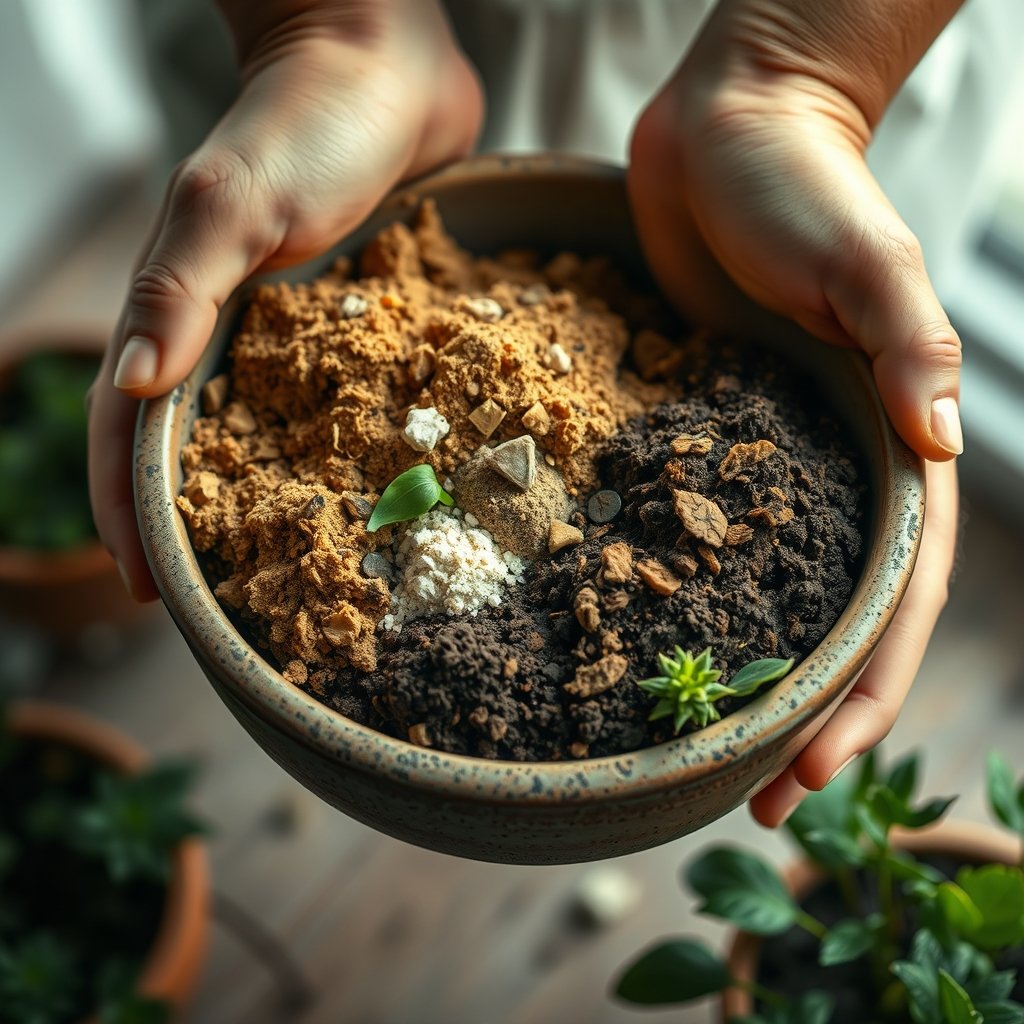
The best soil mix for tropical plants—monstera, philodendron, pothos, and alocasia—has a single demand: “chunky” soil with sustainable moisture that still lets air hit the roots. The best soil for indoor plants in this category is a blend of 40% potting soil/coco coir, 30% orchid bark (or pine bark fines), and 30% perlite. This formula mimics the leaf litter and airy ground they evolved in.
Aroid mixes with plenty of aeration (around 40–50%) drain quickly and help reduce root rot compared to dense garden soil. Plants like philodendrons tend to push out healthier new leaves with less yellowing once their mix has enough perlite and bark. For convenience, one of the best potting soil for indoor plants is Miracle-Gro Indoor Potting Mix, but don’t stop there—amending with a couple scoops of extra perlite and a handful of coco coir or orchid bark is a true upgrade. If you want more details on monsteras themselves, don’t miss my Monstera care guide.
Downside? Basic Miracle-Gro can run slightly compact if unamended, so buy some perlite or bark to tailor it for your plant collection.
Best Soil for Succulents, Cacti & Drought Lovers
When it comes to the best soil for indoor plants in the succulent family, cacti and succulents demand something most premixes don’t deliver: ultra-fast drainage with almost no organic “mush.” The best soil for indoor plants like echeveria, aloe, or jade uses at least 50% coarse sand, pumice, or perlite (sometimes all three), plus a little light compost. Sand-heavy mixes drain almost instantly—ideal for desert plants, but far too fast for moisture-lovers.
However, pure sand can leach nutrients, so a blend is best. FoxFarm Ocean Forest is a strong off-the-shelf option—a rich, balanced base that gets even better with an added scoop of perlite additive (check price on Amazon here). Succulents planted in standard houseplant soil are prone to rot, while a gritty, fast-draining mix (in a pot with drainage holes!) solves most problems. Just remember: succulents in plastic pots dry out slower than those in terracotta—adjust your mix accordingly. If you want to grow thriving string of hearts or unique succulents, try my succulent guide.
The Secret Ingredients: Perlite, Coco Coir, Bark & Biochar
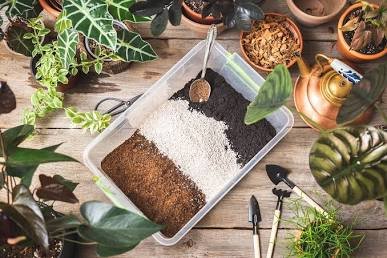
The real magic behind the best soil for indoor plants hides in your soil amendments. Perlite—the little white “popcorn”—is absolutely essential for well draining soil. It boosts air in any mix, costs very little, and works well as an addition to almost any blend. Coco coir is an excellent moisture retainer: it’s a renewable, sustainable alternative to peat, offers a neutral pH (around 6.5), and is easy to source. Bark chunks provide the “chunkiness” the best soil for indoor plants needs for foliage showstoppers like anthuriums or monsteras, and biochar (charcoal) can suppress disease and odor—plus it helps beneficial microbes flourish.
Replacing peat with coir delivers similar water retention while being more sustainable, which is why it’s worth folding coco coir into most blends as a more eco-friendly way to manage moisture retention. If you need additive supplies, perlite additive and coco coir mix are both affordable and work wonders.
Want to go deeper? I break down how perlite compares to vermiculite and LECA in my indoor soil amendment comparison.
How to Adjust for Large Pots, Terracotta, or Plastic Containers
Once you’ve nailed the best soil for indoor plants, you still need to consider container size and material. Even with the best soil for indoor plants, large pots (over 10 inches wide) often hold excess moisture at the bottom, while terracotta breathes and dries out faster—sometimes double the rate of plastic. Two identical plants can dry out at very different rates: one in terracotta may need water in about a week, while the same plant in plastic can take roughly twice as long.
If you’re up-potting, fill the bottom 1/5 with large bark or drainage gravel to prevent compaction. Always use pots with drainage holes—there’s just no workaround for keeping the best soil for indoor plants healthy. And don’t go “jumbo” in one repot step; aim for a pot just 2 inches wider each time.
If you’re fighting uneven drying or constantly dry soil, tweak your mix with more coir or bark for bigger pots—this adjustment can noticeably reduce how often you need to water in terracotta planters.
DIY Mixes vs. Store-Bought: When to Buy, When to Blend
Should you blend your own best soil for indoor plants, or buy? Professionally bagged soils, like Miracle-Gro Indoor Potting Mix or FoxFarm Ocean Forest, offer great consistency and pest-free starting points. But here’s the trick: you can massively improve any store mix by folding in 30–50% perlite additive and a generous scoop of coco coir mix. Homemade blends can match pre-bagged mixes for drainage, but they tend to carry a higher risk of pests unless the soil is sterilized first.
DIY Formula for Tropicals/Aroids: 2 parts potting soil, 1 part perlite, 1 part bark, 1 part coco coir.
DIY Formula for Succulents: 1 part potting soil, 2 parts perlite/pumice/sand, 1/2 part compost.
Don’t forget to sterilize: bake for 30 minutes at 180°F, or microwave in small batches. If soil pests have burned you before, pro mixes really do save headaches. I compare homemade fertilizer blends in my DIY fertilizer guide for more ways to tweak your routine.
Soil Problems & Fixes: Yellow Leaves, Gnats, Mushrooms, and More
Even with the best soil for indoor plants, stuff happens. Even with the best soil for indoor plants, persistently wet conditions lead to yellow leaves, mushy roots, and black mold spots. For most, the real enemy is fungus gnats: they lay eggs in damp zones below the surface, and their larvae chew roots. Using sterile mixes and letting the top inch of soil dry out between waterings goes a long way toward preventing gnats and mushrooms.
Persistent gnat problems often clear up after switching to sterilized, bark-rich soil and adding a layer of sand on top. For a quick rescue: remove any visible fungus, unpot plants, snip mushy roots, and repot in fresh, airy mix. If you see constant yellow leaves, revisit drainage—and cross-reference the symptoms in my yellow leaf troubleshooting guide.
Comparison Table: Best Indoor Plant Soils & Amendments
| Product | Best For | Price Range | Amazon Rating | Buy Link |
|---|---|---|---|---|
| Miracle-Gro Indoor Potting Mix | Tropicals, aroids, general houseplants (with amendments) | $8 – $14 (8-16qt) | 4.6/5 | Check Price |
| FoxFarm Ocean Forest | Succulents, cacti, DIY base for custom mixes | $19 – $29 (12qt) | 4.7/5 | Check Price |
| Perlite Additive | Boosting drainage in all plant mixes | $7 – $15 (2-8qt) | 4.5/5 | Check Price |
| Coco Coir Mix | Sustainable moisture retention, tropicals, orchids | $10 – $22 (5-10lb brick) | 4.1/5 | Check Price |
Choosing the best soil for indoor plants comes down to matching the mix to your specific species and always erring on the side of drainage and oxygen. If you remember one thing, let it be this: the best soil for indoor plants—airy, amended mixes—cures more houseplant headaches than any fertilizer or “miracle” product. Want to see how soil fits into solving yellow leaves? Read next: How to Fix Yellow Leaves on Houseplants.